E-mail seo@sino-purification.com

Time:2025-08-13 11:43:22 Reading volume:
A precision oil filter is a high-efficiency filtration device primarily used to remove impurities, moisture, gas, and fine particles from oil. It is suitable for a variety of industrial and functional oils. The following are common oil types and filtration purposes:
- Applicable Oils: Hydraulic Oil, Gear Oil, Turbine Oil, Compressor Oil, Bearing Oil, etc.
- Filtration Purpose: Removes wear metal particles, dust, and oxidation products to extend equipment life and maintain lubrication performance.
- Applicable Oils: Transformer Oil, Switchgear Oil, Capacitor Oil, etc.
- Filtration Purpose: Removes moisture, gas (such as acetylene), and carbon particles to improve dielectric strength and ensure safe operation of power equipment.
- Applicable Oils: Diesel, kerosene, aviation fuel, heavy fuel oil, etc.
- Filtration Purpose: Removes moisture, colloids, and microorganisms (such as bacteria in diesel) to prevent clogging and corrosion in the fuel system.
- Applicable Oils: Metalworking fluids (cutting oil, grinding oil), quenching oil, heat treatment oil, etc.
- Filtration Purpose: Separate metal debris and impurities, maintain cooling and lubrication properties, and improve processing accuracy.
- Applicable Oils: Biodegradable lubricants, synthetic ester oils (such as aviation engine oil).
- Filtration Purpose: Remove contaminants to meet environmental requirements or meet stringent operating conditions such as high temperature and high pressure.
- Applicable Applications: Recycled waste engine oil, hydraulic oil, etc.
- Filtration Purpose: Recycle oil through multi-stage filtration (such as decolorization and acid removal), reducing waste disposal costs.
- Applicable Oils: Vacuum pump oil, refrigeration oil, heat transfer oil, etc.
- Filtration Purpose: Maintain oil purity to ensure stable operation of specialty equipment.
- Standard oil filters: 1-30 microns (suitable for general impurity filtration).
- High-precision oil filters: 0.1-5 microns (e.g., nanofilters, capable of removing trace moisture and extremely fine particles).
- Special configurations: Vacuum dehydration, centrifugal separation, or electrostatic adsorption can be integrated.
Notes
- Oil compatibility: The chemical compatibility (e.g., acidity, alkalinity, and viscosity) of the filter media (e.g., filter element, seal) and the oil must be verified.
- Moisture treatment: Water-containing oils require vacuum dehydration or coalescing separation technology.
- Regular maintenance: replace filter elements promptly to avoid secondary contamination.
The selection of a precision oil filter should be tailored to the oil type, contamination level, and target cleanliness level (e.g., ISO 4406). Please contact us for a customized solution.
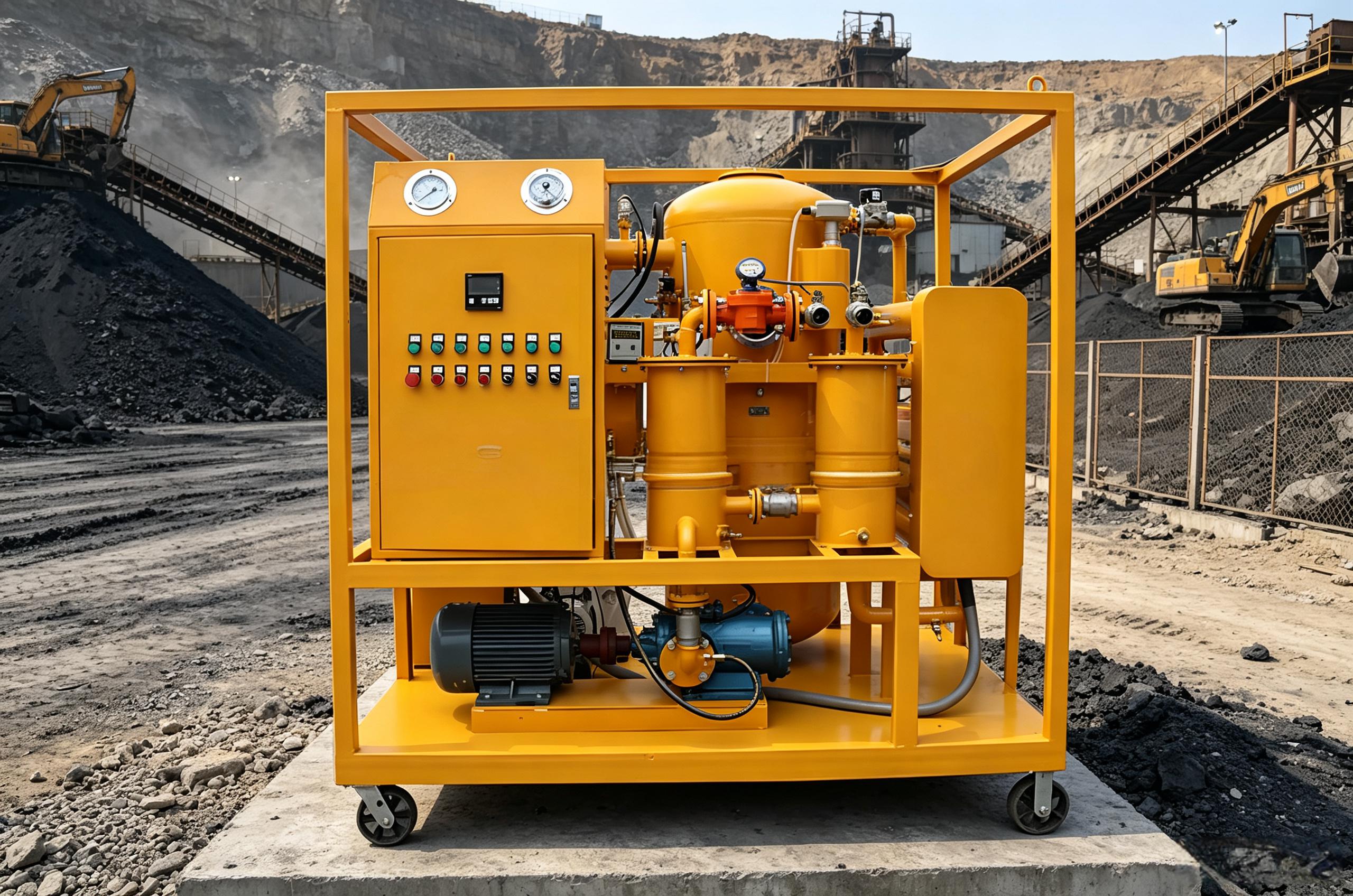
Explosion-Proof Oil Purifier Selection Guide: Which Working Conditions Require One?
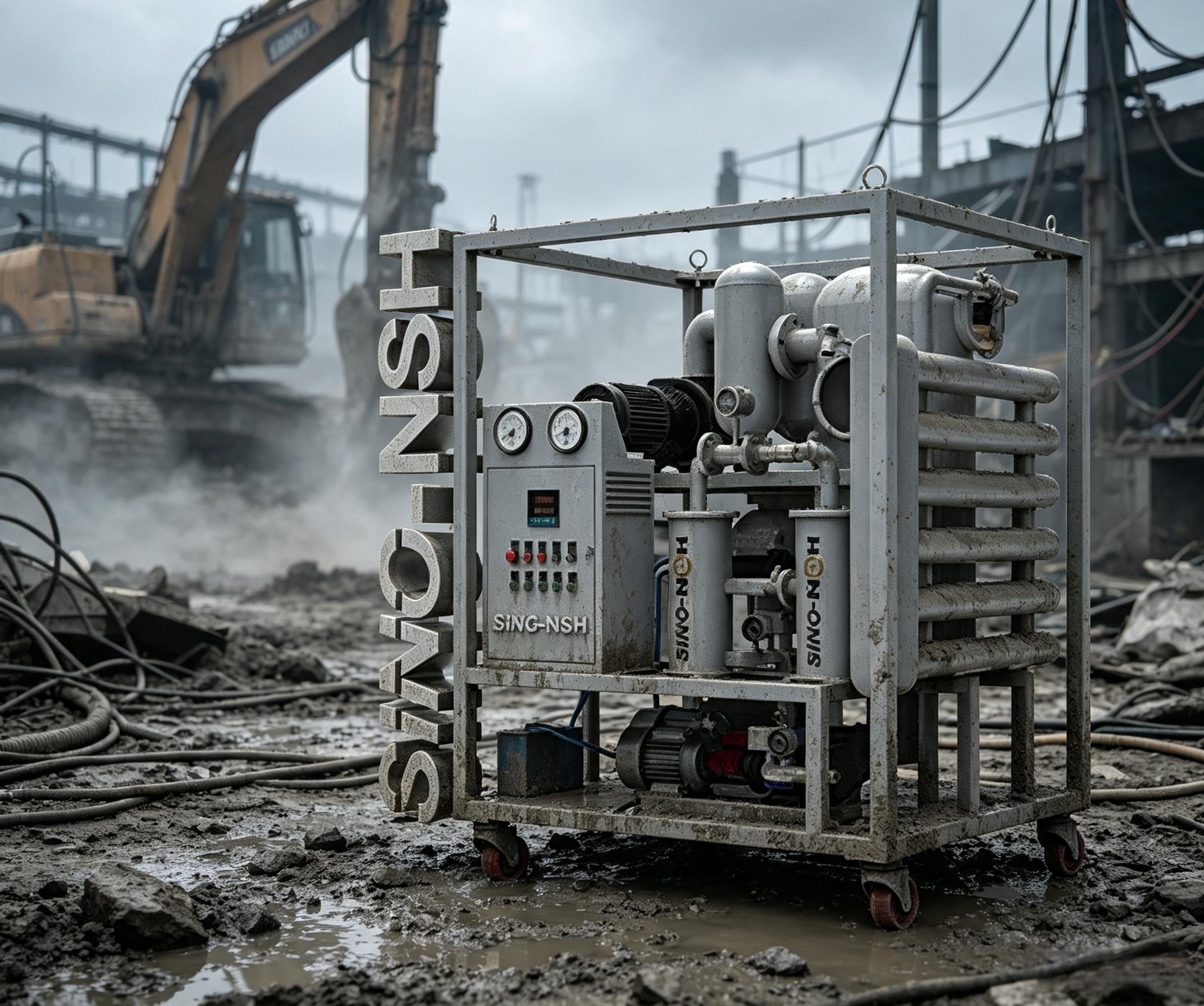
How to Prevent Rapid Lubricating Oil Degradation in Steel Mills
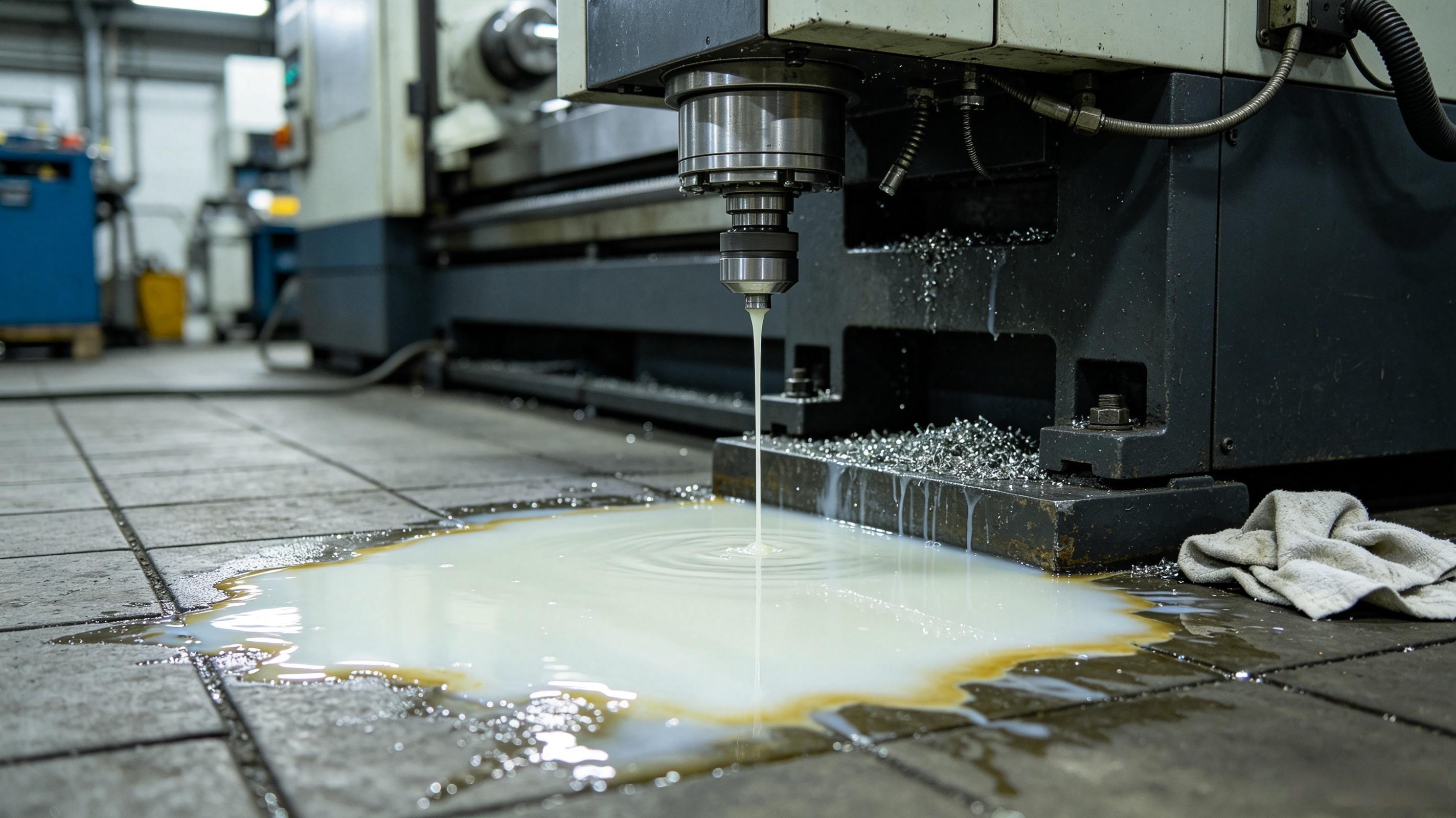
Can an Oil Purifier Remove Acid? Understanding the Limits of Oil Regeneration
Chemical Industry Oil Purification: How to Choose the Right Oil Purifier
Why Is Coalescing Water Removal More Stable Than Vacuum Dehydration?