E-mail seo@sino-purification.com

Time:2026-06-08 13:29:44 Reading volume:
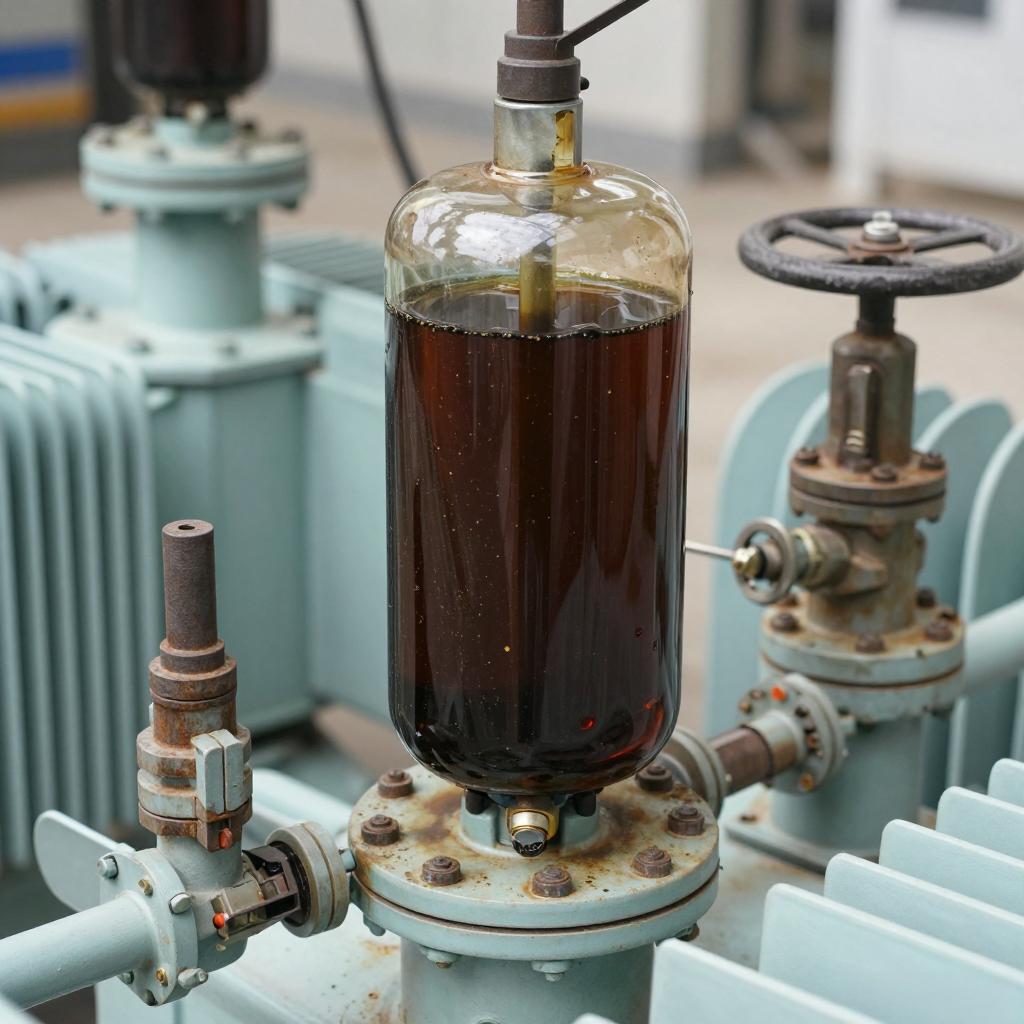
When transformer oil turns dark—typically shifting from a light, clear yellow to a dark amber or brown—it is a clear warning sign that the fluid is aging and degrading. However, unless a catastrophic internal arc or failure has contaminated the oil, its chemical and electrical properties can usually be fully reclaimed.
Here is a breakdown of why transformer oil darkens, how the restoration process works, and how the key parameters change.
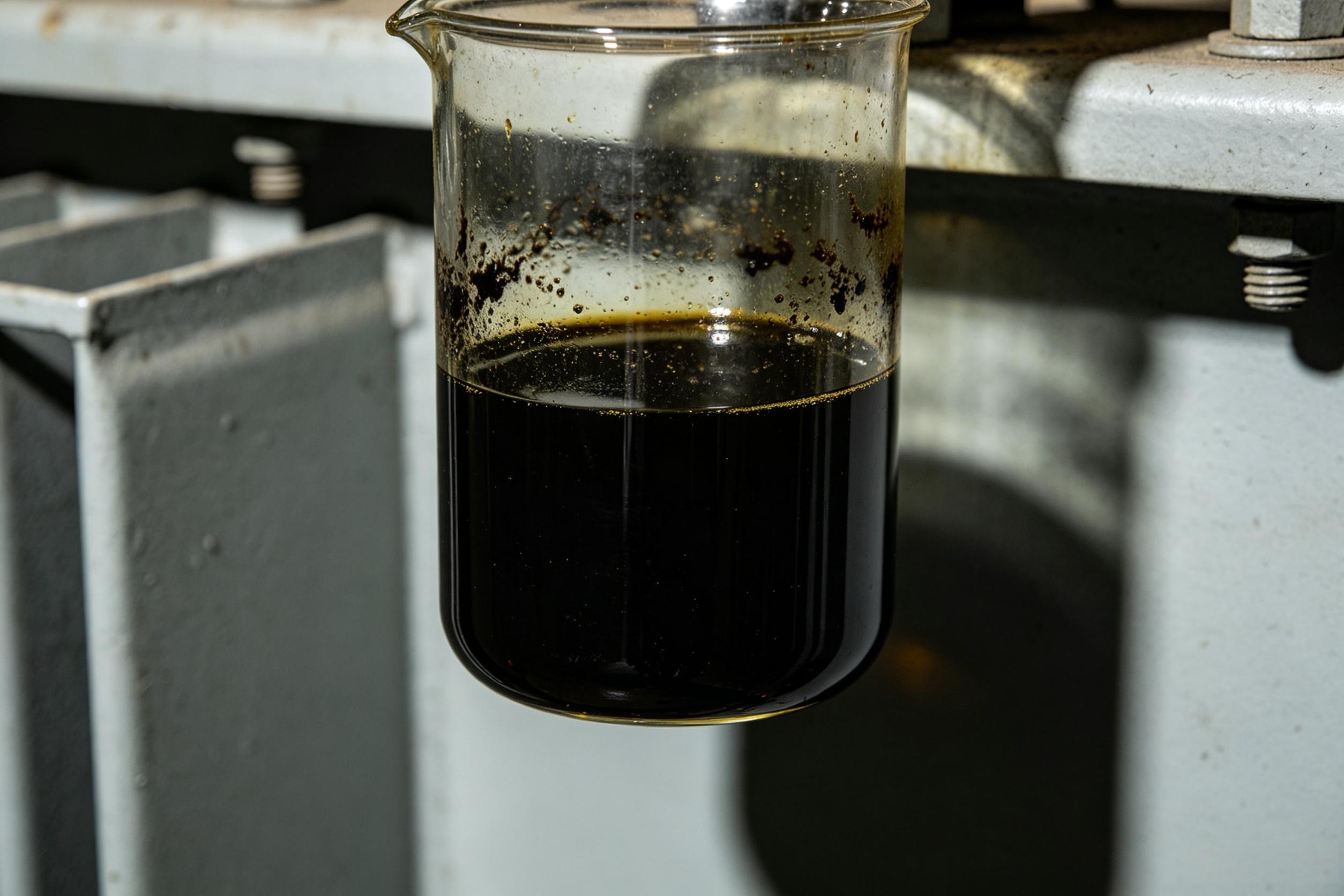
Transformer oil darkens primarily due to oxidation and thermal stress. Over time, the combination of high operating temperatures, oxygen, and moisture triggers a chemical breakdown of the hydrocarbon molecules in the oil.
This degradation process creates a chain reaction:
Peroxides and Acids: Initial oxidation forms soluble polar compounds and organic acids.
Sludge Precursors: As acids increase, they polymerize into oil-insoluble decay products.
Colloidal Carbon & Sludge: These microscopic dark particles suspend themselves in the oil, causing the color shift. If left untreated, this sludge precipitates out of the oil and coats the transformer's internal core and windings, severely choking its ability to dissipate heat.
Simple mechanical filtration (which only removes moisture and large particles) is not enough to restore the color and chemical health of dark oil. To fix the color and remove the dissolved acids, a process called Oil Regeneration (or Reclamation) is required.
The standard industrial restoration process involves three main stages:
The oil is heated and passed through a vacuum chamber. This process boils off dissolved water (reducing moisture to below 10 ppm) and removes trapped gases that compromise the oil's dielectric strength.
This is the critical step for color restoration. The oil is pumped through columns packed with an adsorbent material—most commonly Fuller's Earth (attapulgite clay).
The Fuller's Earth acts like a chemical sponge, trapping the dark colloidal carbon, polar contaminants, sludge precursors, and organic acids.
Passing through this medium strips the dark pigments from the fluid, restoring the oil to its original pale yellow, transparent appearance.
Because the intensive reclamation process removes the oil's natural aging inhibitors along with the contaminants, a fresh antioxidant additive (typically DBPC or BHT) is blended back into the restored oil (usually to a concentration of 0.3%). This prevents the freshly cleaned oil from re-oxidizing rapidly.
To ensure the darkened oil has been successfully restored to a safe operational standard, it must meet stringent international benchmarks (such as IEC 60422 or IEEE C57.106). Here is how the critical technical parameters shift during a successful regeneration:
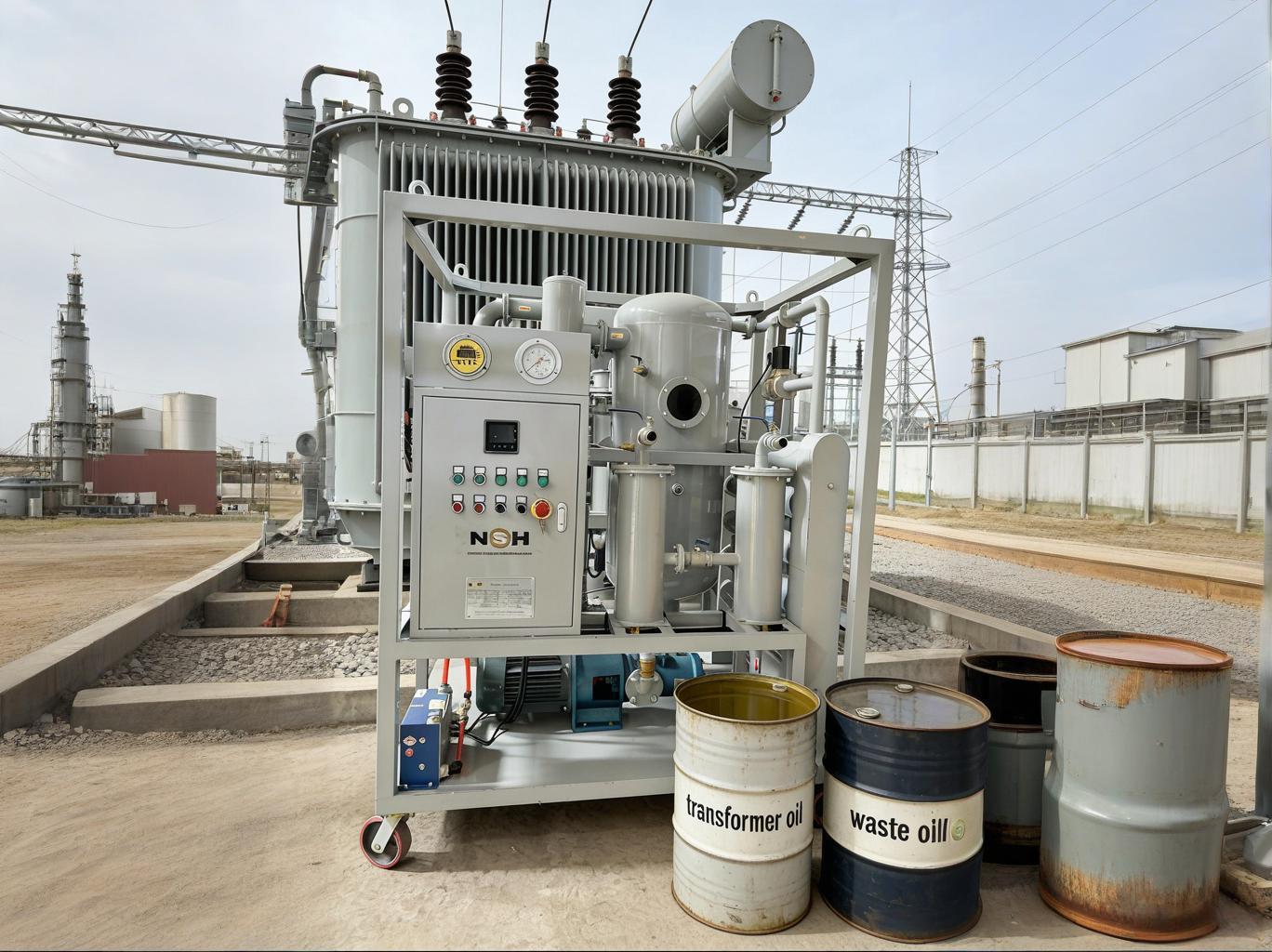
Regenerating dark transformer oil on-site (often done while the transformer is online or during a brief shutdown) costs significantly less than buying new oil, disposing of the old oil, and paying for the associated logistics. More importantly, because the restored oil is circulating through the transformer during the process, it actually washes away the internal sludge deposits from the paper insulation, effectively resetting the life clock of the entire asset.

Explosion-Proof Oil Purifier Selection Guide: Which Working Conditions Require One?
How to Prevent Rapid Lubricating Oil Degradation in Steel Mills
Can an Oil Purifier Remove Acid? Understanding the Limits of Oil Regeneration
Chemical Industry Oil Purification: How to Choose the Right Oil Purifier

Why Is Coalescing Water Removal More Stable Than Vacuum Dehydration?