E-mail seo@sino-purification.com

Time:2026-07-01 14:36:45 Reading volume:
Aviation Ground Support Equipment (GSE)—including hydraulic power units (HPUs), lift platforms, and aircraft tow tractors—demands absolute reliability. At the core of these critical systems is the hydraulic fluid.
Because GSE operates in harsh, unpredictable airport environments, fluid contamination directly threatens flight safety and operational uptime. Implementing a high-efficiency hydraulic oil purifier is the most effective way to eliminate contaminants and maintain strict aviation standards.
Aviation hydraulic fluids face unique environmental and operational challenges that require specialized filtration solutions.
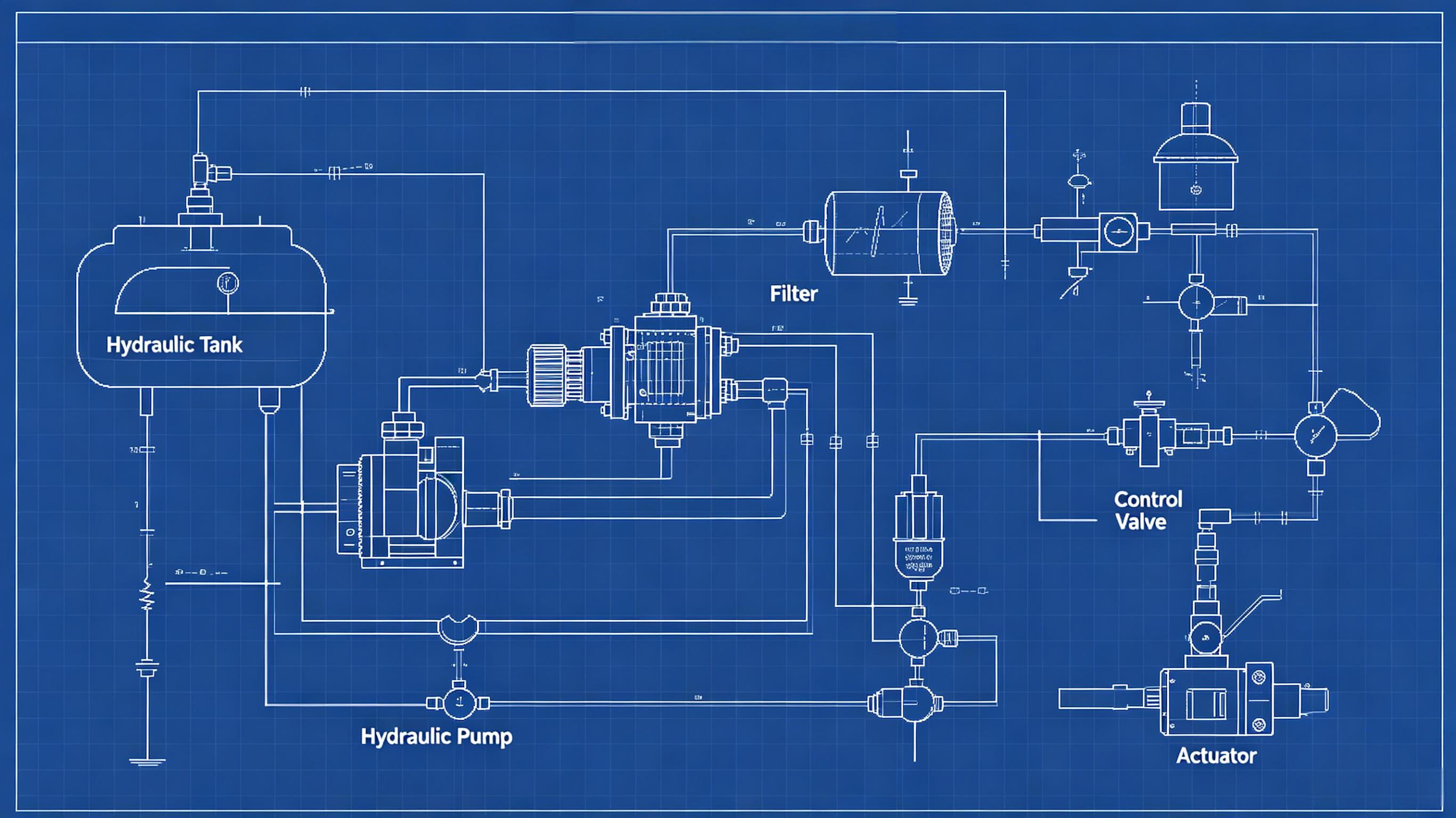
GSE components generate internal metal wear debris and seal fragments over time. Additionally, airborne dust easily penetrates systems during outdoor maintenance. These microscopic particles jam precision valves and accelerate component wear, making fine particulate removal a top priority.
Water is the most destructive contaminant in aviation hydraulic systems. Ambient humidity and rain enter reservoirs through breathers and filler caps. While standard industrial machinery can tolerate up to 50 ppm of water, aviation systems require extreme moisture control—often demanding less than 10 ppm. Excessive water causes oil emulsification, component corrosion, and dangerous ice formation in low-temperature flight environments.
When selecting an industrial oil purifier for aviation applications, procurement and engineering teams must evaluate six essential technical benchmarks.
The purifier should feature a multi-stage filtration system combining a coarse pre-filter (5 to 10 microns) with high-efficiency fiberglass or PTFE glass fiber micro-filters (1 to 3 microns). For advanced applications, adding an activated alumina or molecular sieve adsorption stage removes polar impurities. The ultimate goal is to achieve an oil cleanliness rating of NAS 1638 Grade 5 to 6 (or ISO 4406 15/13/10).
To reach the ultra-low <10 ppm moisture threshold without causing chemical shearing of the fluid, a Vacuum Dehydration Oil Purifier (VDOP) is highly recommended. For light-viscosity fluids with high free-water content, a Coalescence-Separation Purifier provides rapid, high-volume water extraction.
Aviation hydraulic fluids—especially phosphate ester fire-resistant fluids (such as Skydrol)—are highly corrosive to standard seals. The purifier's wet parts must be constructed from 316L stainless steel, and seals must utilize Viton (FKM) or Perfluoroelastomer (FFKM). Standard nitrile rubber (NBR) and cellulose paper filters must be avoided to prevent swelling and media migration.
Aviation fluids are highly sensitive to thermal degradation. While industrial purifiers often operate at 50°C to 55°C, aviation fluid purification should be strictly regulated between 40°C and 45°C. Excessive heat cracks vital anti-wear and anti-foaming additives, permanently ruining the fluid batch.
Modern aviation maintenance requires full traceability. Premium purifiers integrate online laser particle counters (calibrated to ISO 11171) and Karl Fischer online moisture sensors. Automated shutdown sequences should trigger if fluid parameters drift, preventing substandard oil from returning to the GSE.
Hangar space is at a premium. The ideal unit should occupy a footprint of less than 1.5 square meters and weigh under 300 kg. Heavy-duty, braked caster wheels are essential for maneuvering the unit across busy maintenance bays.
Different purification technologies serve distinct roles in a comprehensive fleet maintenance strategy.
Vacuum purifiers utilize low-pressure distillation to vaporize dissolved water and gases at safe, low temperatures. This technology easily lowers water content below 100 ppm, and high-vacuum configurations can achieve the targeted <10 ppm limit. They are the industry standard for routine, high-precision maintenance of GSE hydraulic systems.
Utilizing advanced aerospace fuel filtration technology, these systems pass oil through hydrophilic coalescer elements that force tiny water droplets to combine into larger drops, which gravity then separates. This process is up to 20 times faster than vacuum distillation for removing free water and does not require heating, eliminating the risk of thermal additive breakdown.
Operating on simple pressure differential through paper or cloth media, plate filters are highly effective at capturing massive particulate loads and slugs of free water. However, they cannot achieve the deep, sub-micron dehydration required for final flight-line readiness. They are best utilized as a budget-friendly pre-filtration step before vacuum processing.
To ensure compliance with global aviation maintenance protocols, technicians should follow structured operational workflows.
Before processing, pull a baseline fluid sample to log initial viscosity, water content, and particle counts. If switching fluid types (e.g., mineral oil to phosphate ester), thoroughly flush the internal lines of the purifier with the target fluid to eliminate the risk of cross-contamination.
During the purification cycle, log vacuum levels, operating temperatures, and cleanliness metrics every 15 minutes. Consistent parameters guarantee that the oil is not subjected to localized overheating or pressure spikes.
Do not return the oil to service until a final laboratory or onboard sensor check confirms that both the NAS cleanliness class and ppm moisture levels meet aircraft manufacturer specifications. Store the purified fluid in dedicated, hermetically sealed stainless steel containers marked with the batch date and verification metrics.
Choosing the correct equipment depends on your dominant contamination risk:
For routine maintenance with low water risks: Deploy a High-Vacuum Hydraulic Oil Purifier to achieve maximum particulate removal and ultra-low ppm gas/water limits.
For heavily emulsified or water-compromised batches: Utilize a Coalescence-Separation system first to quickly strip bulk moisture without degrading additives via heat.
For heavy industrial flushing or highly contaminated systems: Use a Plate and Frame filter as a sacrificial pre-filter stage to protect the expensive micro-elements of your primary vacuum purifier.
By matching the specific contamination challenge with the correct material-compatible purification technology, aviation maintenance facilities can drastically extend GSE component life, reduce fluid disposal costs, and ensure flawless ground operations.
Explosion-Proof Oil Purifier Selection Guide: Which Working Conditions Require One?
How to Prevent Rapid Lubricating Oil Degradation in Steel Mills
Can an Oil Purifier Remove Acid? Understanding the Limits of Oil Regeneration
Chemical Industry Oil Purification: How to Choose the Right Oil Purifier
Why Is Coalescing Water Removal More Stable Than Vacuum Dehydration?