E-mail seo@sino-purification.com

Time:2026-06-02 13:17:06 Reading volume:
In power transformers, the cooling oil serves as both a vital insulator and a thermal conductor. Maintaining its chemical stability is non-negotiable for grid reliability. Over time, however, exposure to thermal stress, high oxygen levels, and moisture triggers an inevitable degradation process: oxidation.
A primary indicator of this aging process is an increase in acid value. When the neutralization number of transformer oil exceeds standard operational limits (typically above 0.1 mg KOH/g for operational oil, depending on the voltage class), it signals an immediate risk to the internal insulation system.
Left unchecked, acidic oil accelerates the depolymerization of the structural solid insulation paper, decreases the oil's breakdown voltage, and ultimately leads to sludge formation that impairs cooling. For asset managers and maintenance engineers, addressing high acidity is a priority that demands immediate, highly structured intervention.
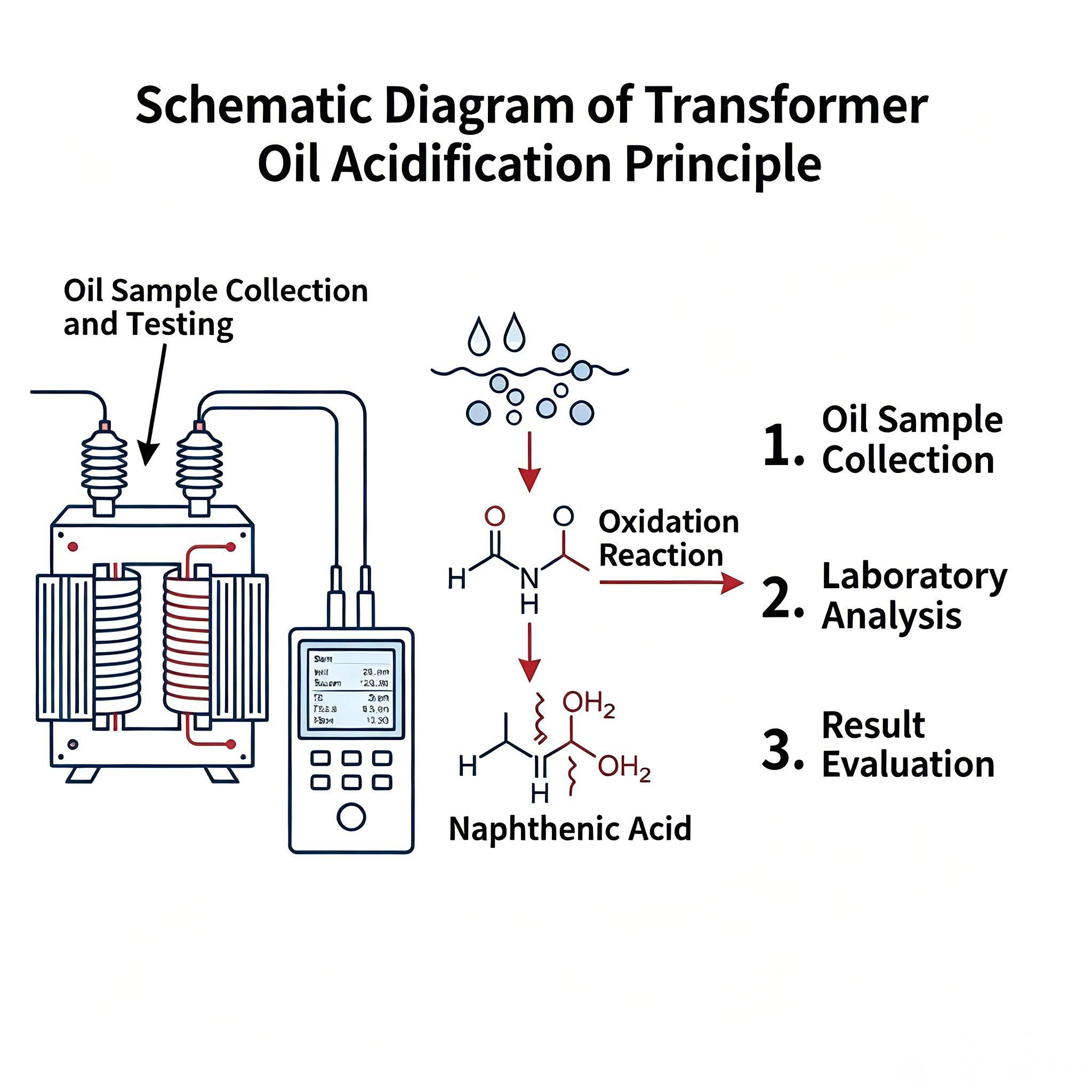
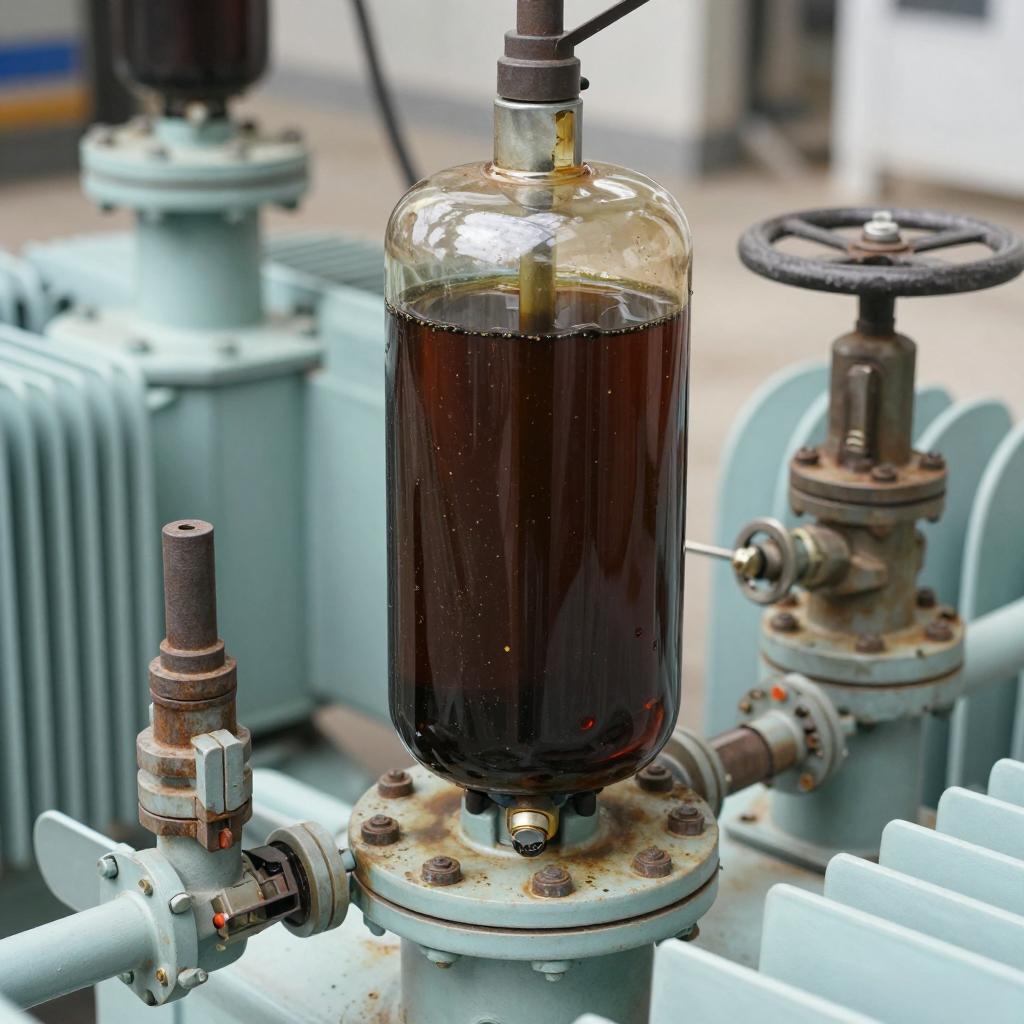
Before deploying a purification strategy, engineering protocols dictate a thorough assessment of the oil's current state. Simply treating the symptom (high acid value) without understanding the context can lead to rapid re-acidification.
Analyze the Co-Factors: High acidity rarely exists in a vacuum. It is crucial to evaluate the acid value alongside other critical parameters, specifically moisture content (measured in PPM), interfacial tension (IFT), and Dissolved Gas Analysis (DGA).
Differentiate the Acids: Early-stage oxidation produces low-molecular-weight organic acids, which are highly volatile and aggressive toward solid insulation paper. Late-stage oxidation produces high-molecular-weight acids that are less soluble, leading to the deposition of sticky, non-conductive sludge on the transformer core and windings.
Assess Paper Integrity: Because acids attack cellulose insulation, running a Furin compound analysis or checking the Degree of Polymerization (DP) of the paper provides a clear picture of whether the high acid value has already permanently compromised the transformer's lifespan.
When the acid value crosses the safety threshold, engineers generally rely on three primary methodologies to restore the chemical equilibrium of the dielectric fluid.
This is the most effective and widely adopted industrial method for on-site oil restoration. It combines mechanical vacuum degassing with chemical adsorption filtration.
The oil is heated to an optimal processing temperature (usually around 60°C to 70°C) to reduce viscosity and increase the mobility of the acid molecules. It is then passed through an absolute vacuum chamber to flash off moisture and volatile light acids.
Following degassing, the oil passes through columns packed with specialized porous adsorbents. The most common media include:
Activated Alumina: Highly effective at trapping polar acidic compounds and moisture.
Fuller’s Earth (Attapulgite Clay): Highly porous silicate mineral that exhibits a natural affinity for polar contaminants, oxidation products, and sludge precursors.
This process removes both soluble and insoluble acids, effectively restoring the oil’s color, interfacial tension, and acid value to near-virgin specifications without altering its native hydrocarbon structure.
In extreme cases where the oil has reached an advanced stage of aging—characterized by an excessively high acid value (e.g., >0.3 mg KOH/g), deep discoloration, and heavy sludge precipitation—mechanical regeneration may no longer be economically or technically viable. In these scenarios, a complete oil change is required.
However, a standard drain-and-refill is insufficient. Acidic sludge deposits heavily adhere to the internal core, windings, and cooling radiators. If new oil is introduced into a contaminated tank, the residual sludge will rapidly dissolve into the fresh oil, causing the acid value of the new fluid to spike within weeks.
An engineering-grade oil replacement must include a thorough flushing phase, utilizing hot oil circulation to dissolve and remove residual contaminants from the internal structures before the final fill.
While theoretically possible to neutralize acids using alkaline chemical additives, this method is rarely used in modern on-site transformer maintenance. Introducing chemical bases carries a high risk of creating conductive chemical salts and soap byproducts, which drastically lower the dielectric strength of the oil.
Chemical methods are strictly reserved for controlled industrial oil recycling facilities rather than live or field-deployed power transformers.
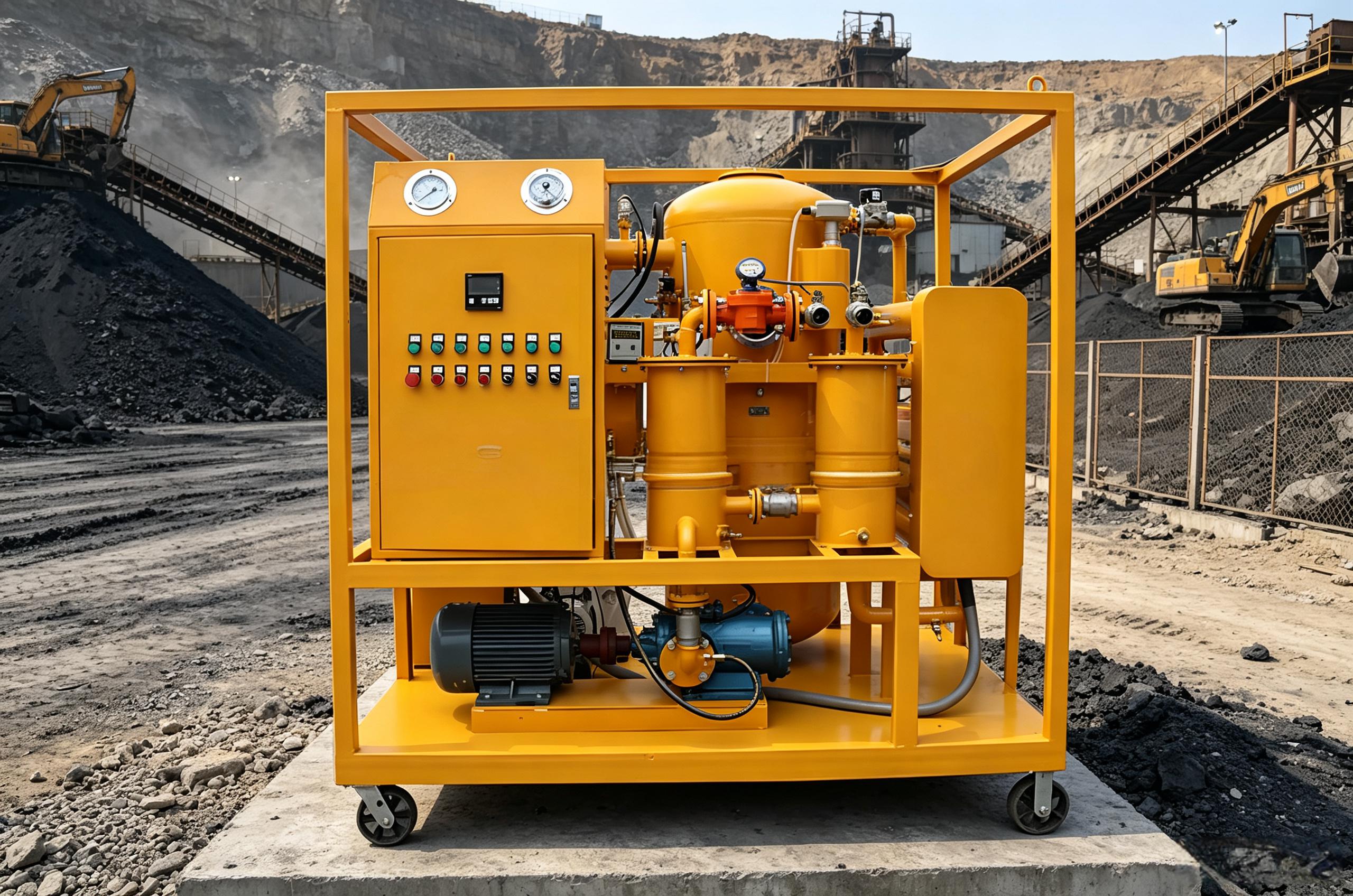
When executing an adsorption and reclamation project on-site, maintaining strict process controls ensures both safety and fluid quality.
Temperature Control: Keep the processing temperature strictly regulated. Excessive heat during filtration can cause local thermal cracking of the oil, while insufficient heat reduces the efficiency of the adsorbent media.
Multi-Stage Filtration: Always utilize high-precision particulate filters down to 1 micron or less downstream of the adsorption columns. This prevents any adsorbent dust or fine clay particles from escaping into the clean oil stream, which would otherwise ruin the oil's breakdown voltage (BDV).
Antioxidant Replenishment: Adsorption media are highly effective, but they are non-selective; they remove beneficial natural oxidation inhibitors alongside the acids. After any aggressive reclamation process, engineers must test the inhibitor content (such as DBPC or BHT) and re-inhibit the oil to a standard concentration (typically 0.3% by weight) to ensure long-term oxidation stability.
True asset management focuses on prevention rather than constant crisis mitigation. To keep acid values low over the life cycle of the transformer, implement the following engineering practices:
Maintain the Sealing System: Check the integrity of the silica gel breathers or the nitrogen blanket system regularly. Keeping oxygen and atmospheric moisture out of the tank drastically slows down the fundamental oxidation reaction.
Deploy Online Monitoring: For critical or high-voltage transformers, utilize online moisture and hydrogen sensors to catch early signs of thermal stress before massive oxidation occurs.
Utilize Continuous Thermosiphon Filters: Installing permanent, passive thermosiphon bypass loops filled with activated alumina on the transformer allows the equipment to continuously self-purify during normal operation, capturing trace acids the moment they form.
By understanding the chemical mechanisms behind oil aging and deploying targeted thermo-vacuum adsorption techniques, engineering teams can successfully reverse oil degradation, protect solid insulation, and extend the operational lifespan of power transformers for decades.
Explosion-Proof Oil Purifier Selection Guide: Which Working Conditions Require One?
How to Prevent Rapid Lubricating Oil Degradation in Steel Mills
Can an Oil Purifier Remove Acid? Understanding the Limits of Oil Regeneration
Chemical Industry Oil Purification: How to Choose the Right Oil Purifier
Why Is Coalescing Water Removal More Stable Than Vacuum Dehydration?