E-mail seo@sino-purification.com

Time:2025-05-29 14:56:31 Reading volume:
Turbine oil (steam turbine oil) dehydration is a key process in the power, petrochemical and other industries, which directly affects the safe operation of the unit. The following is a detailed explanation of the professional-grade turbine oil dehydration process:
Based on the oil-water boiling point difference and surface tension characteristics, the water vaporization temperature is reduced under a vacuum environment (40-60℃ can boil), achieving gentle dehydration without damaging the oil.
1. Pretreatment stage
- Coarse filtration: 20μm stainless steel filter to remove particulate matter
- Heating system: Indirect heating of thermal oil to 50-55℃ (avoid local overheating)
- Free water separation: Gravity separation in a conical sedimentation tank (remove more than 90% of free water)
2.Three-stage treatment of the vacuum dehydration tower

- Primary spray area: Rotating nozzle forms an oil film to remove large water droplets
- Secondary packing area: Stainless steel θ ring packing increases the contact area
- Third-stage thin film evaporation: Scraping film system forces film formation to remove dissolved water
3. Post-treatment system
- Precision filtration: 3μm glass fiber filter element (NAS 1638 level 6)
- Online monitoring: Capacitive moisture sensor (±5ppm accuracy)
| Parameters | Control range | Monitoring means |
|---------------|-----------------------|------------------------|
| Working vacuum degree | -0.096~-0.099MPa | Capacitive vacuum gauge |
| Oil temperature | 50±2℃ (mineral oil) | PT100 temperature sensor |
| Circulation ratio | 1:3 (processing volume: oil tank volume) | Flow meter linkage control |
| Residence time | ≥15 minutes/cycle | PLC timing control |
1. Vacuum system
- Recommended Roots pump + rotary vane pump combination
- Ultimate vacuum must be below 5Pa
- Equipped with a condenser to recover water vapor
2. Degassing tower design
- Material: 316L stainless steel
- Packing height ≥800mm
- Effective volume ratio ≥1:5
3. Safety configuration
- Explosion-proof heater (Ex dⅡBT4)
- Vacuum circuit breaker (<-0.1MPa automatic shutdown)
- Oxygen content monitoring (< 8% VOL)
1. Moisture content
- New oil standard: ≤30ppm (GB/T 7600)
- Operating oil: ≤50ppm (DL/T 1461)
2. Gas content
- Air release value ≤3 minutes (ISO 9120)
- Foam characteristics ≤150/0ml (ASTM D892)
3. Cleanliness
- Number of particles ≤1000/mL (>6μm)
1. Emulsified oil treatment
- Add 0.01% demulsifier (such as T1001) first
- Control the oil temperature at 45℃ and stir at low speed
- Vacuum treatment after standing for 4 hours
2. Anti-oil dehydration
- A fluororubber sealing system is required
- Temperature limit ≤55℃
- Ordinary molecular sieve is prohibited
- Treatment cost: ¥0.8-1.2 yuan/liter (including energy consumption and consumables)
- Save 60% of the cost compared to oil replacement
- Equipment payback period:<1 year (based on 200 tons of annual processing)
This process can make turbine oil:
- Water removal rate > 99.9%
- Oil life extended by 3 times
- Unit vibration value reduced by 30%
Note: For units above 300MW, it is recommended to configure an online vacuum dehydration device to achieve real-time maintenance. The treated oil needs to be tested for breakdown voltage (≥50kV/2.5mm) before it can be reused.
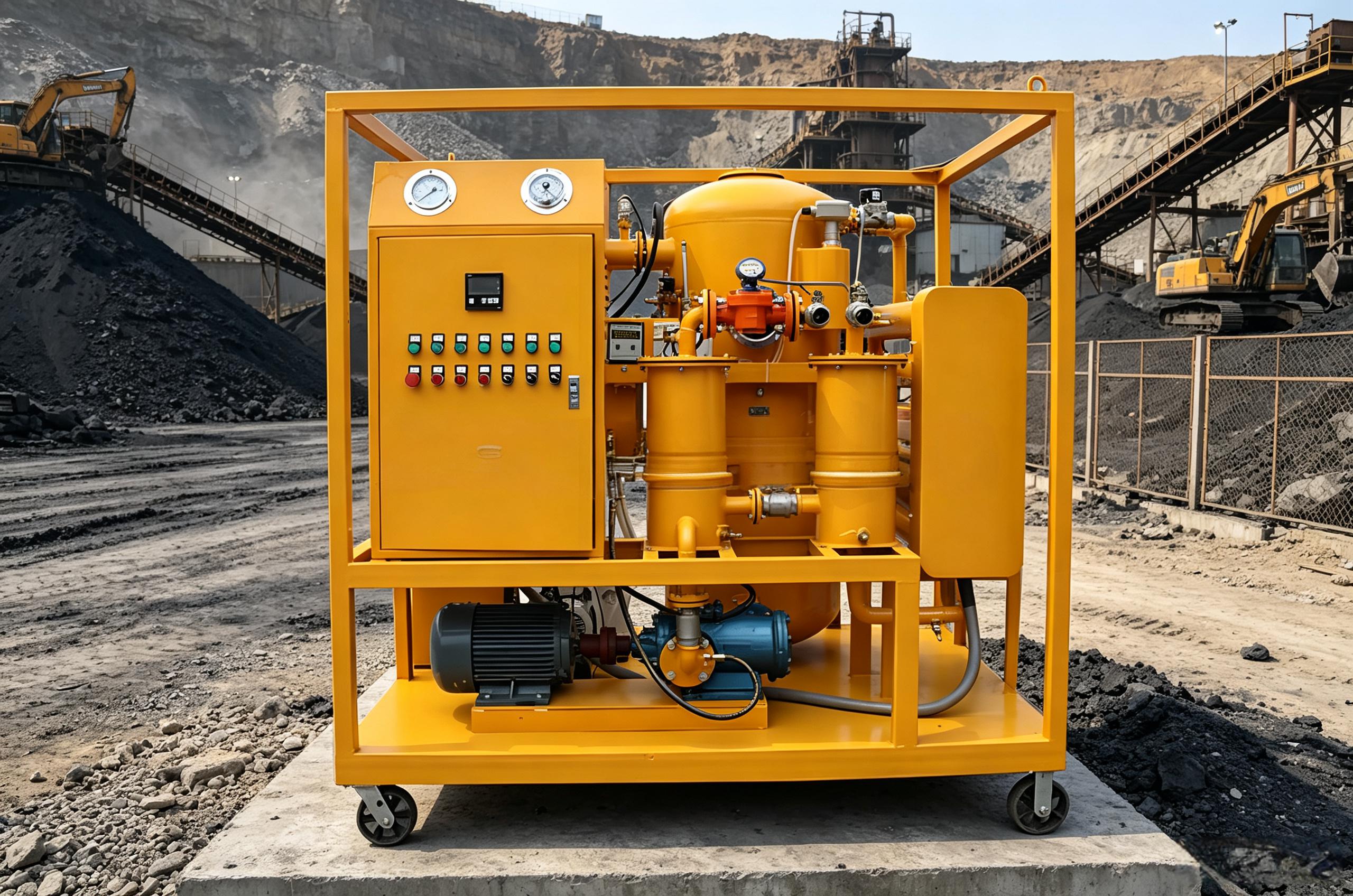
Explosion-Proof Oil Purifier Selection Guide: Which Working Conditions Require One?
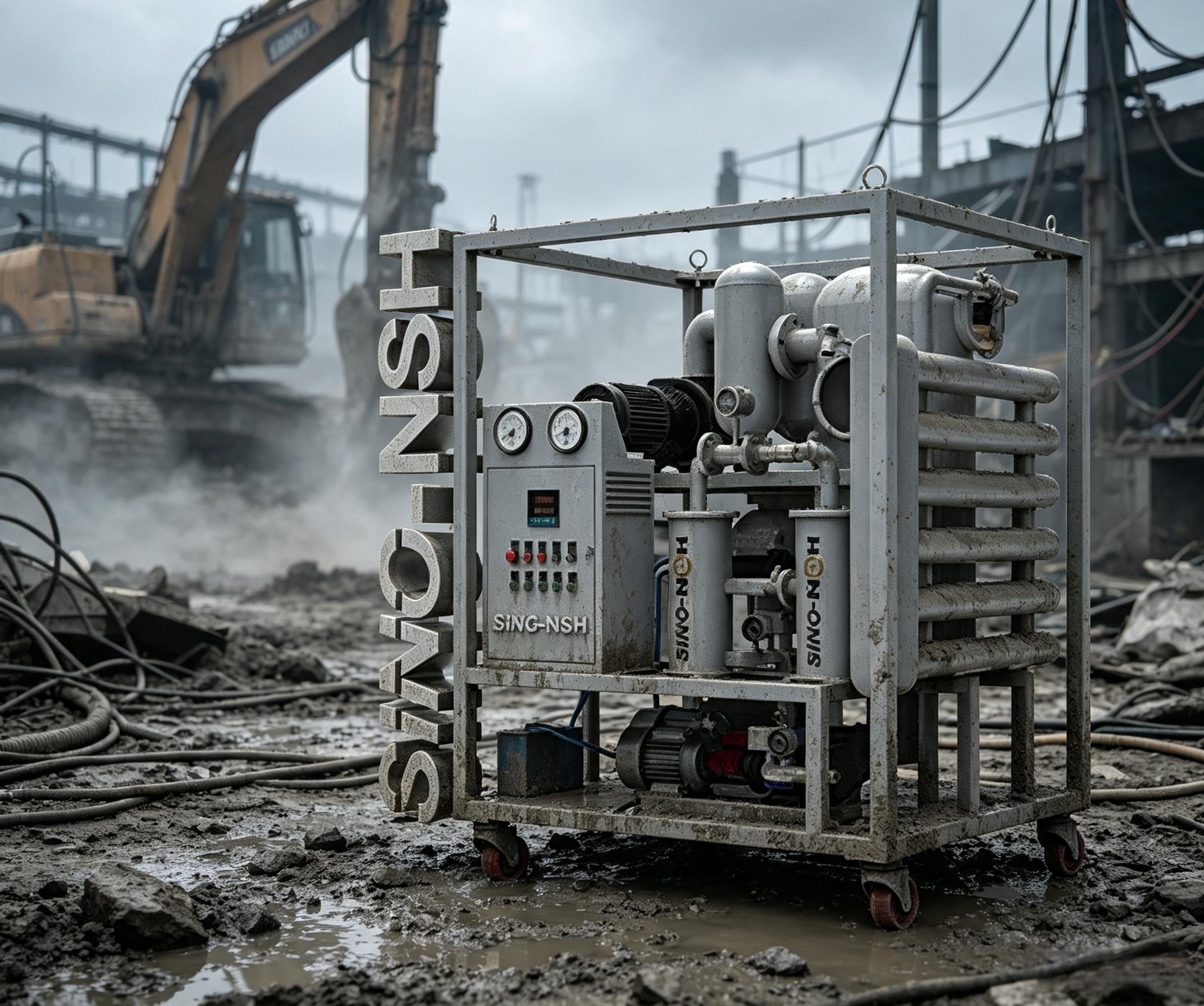
How to Prevent Rapid Lubricating Oil Degradation in Steel Mills
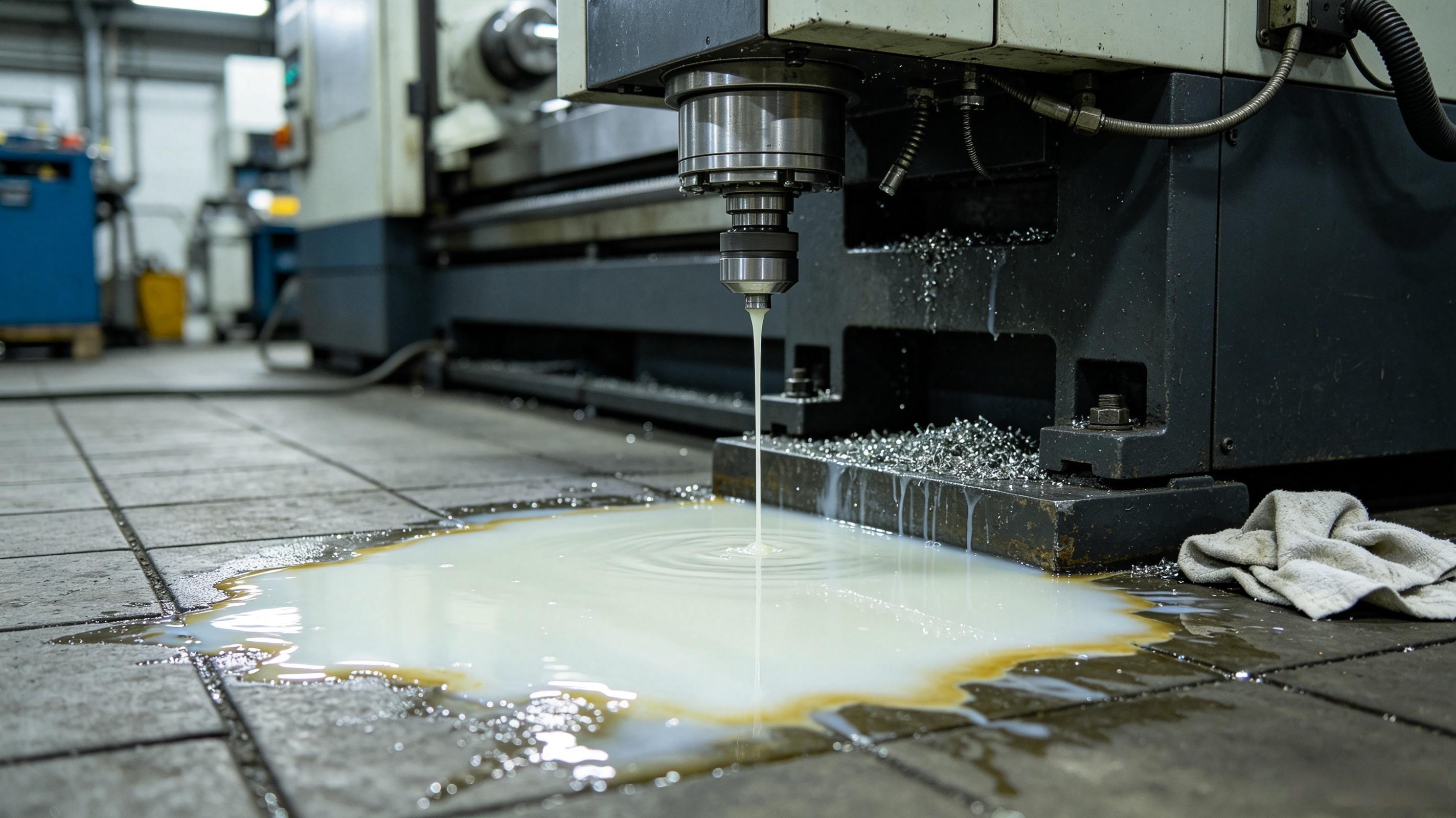
Can an Oil Purifier Remove Acid? Understanding the Limits of Oil Regeneration
Chemical Industry Oil Purification: How to Choose the Right Oil Purifier
Why Is Coalescing Water Removal More Stable Than Vacuum Dehydration?