E-mail seo@sino-purification.com

Time:2025-05-29 14:34:08 Reading volume:
The dehydration treatment of hydraulic oil after water intrusion needs to adopt a step-by-step solution according to the degree of water intrusion. The following is a professional-level treatment process:
1. Standing stratification method
- Let the oil tank stand for more than 48 hours
- Slowly discharge free water at the drain valve at the bottom of the oil tank
- Applicable conditions: Only separate free water, cannot treat emulsified water
2. Heating sedimentation method
- Control the oil temperature at 60-65℃ (not exceeding the flash point of the oil -20℃)
- Keep the constant temperature for 4 hours and then cool naturally
- Combined with centrifugal separation, more than 80% of free water can be removed
1. Vacuum dehydration technology
- Use a three-stage vacuum oil filter:
Technical parameters
Stage 1: -0.085MPa, remove large water droplets
Stage 2: -0.095MPa, remove tiny water droplets
The third stage: -0.099MPa, remove dissolved water
- Oil temperature control:
- Mineral oil: 60±5℃
- Synthetic ester oil: 50±5℃
- Treatment effect: Water content can be reduced to below 50 ppm
2. Coalescing separation technology
- Treatment process:
Emulsified oil → Coalescer (emulsification) → Separator (drainage) → Precision filtration
- Key parameters:
- Coalescing filter element accuracy: 1-3μm
- Separation efficiency: >95%
- Treatment speed: 0.5-2 tons/hour
1. Molecular sieve adsorption
- select 3A type molecular sieve (pore size 3Å)
- Adsorbent addition: 3-5% of oil weight
- Treatment time: 6-8 hours of cycle treatment
2. Thin film evaporation technology
- Working conditions:
- Temperature: 80-100℃
- Vacuum degree: -0.098MPa
- Free water, dissolved water and emulsified water can be completely removed
1. Testing standard
- Karl Fischer method (ASTM D6304): Water ≤100ppm
- Visual inspection: Oil is transparent and has no turbidity
- Demulsification test (ASTM D1401): ≤30 minutes
2. Oil recovery
- Supplement anti-emulsification additives (such as T1001)
- Addition amount: 0.1-0.3%
- Balance treatment: 24 hours of circulation filtration
1. Safety regulations:
- Vacuum equipment must be reliably grounded
- Oil temperature must not exceed 80% of the flash point during heating
- The treatment area is equipped with explosion-proof ventilation
2. Economic judgment:
- When the treatment cost is >60% of the new oil price, it is recommended to change the oil
- The additive content of oil that has been infiltrated with water many times should be tested
3. System maintenance:
- All filters need to be replaced after treatment
- Check seals (water ingress can easily cause seal expansion)
- Check bearing lubrication of hydraulic pumps
- Water content: ≤100ppm (ISO 4406)
- Cleanliness level: NAS 1638 level 7
- The demulsibility is restored to more than 90% of the new oil standard
Note: For water ingress into synthetic hydraulic oils such as phosphate esters, special treatment equipment (such as low-temperature vacuum systems) is required, and ordinary molecular sieves are prohibited.
Explosion-Proof Oil Purifier Selection Guide: Which Working Conditions Require One?
How to Prevent Rapid Lubricating Oil Degradation in Steel Mills
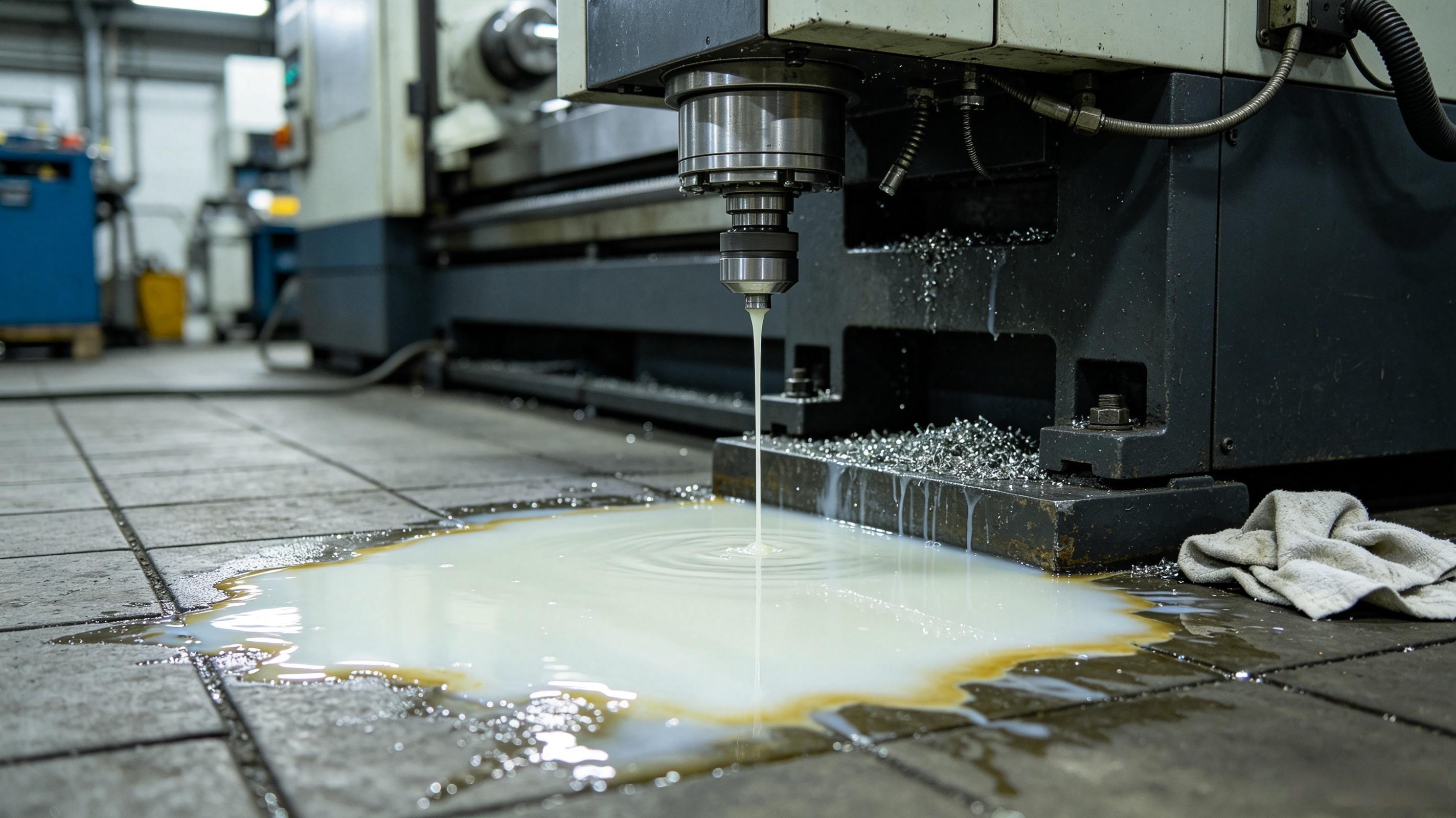
Can an Oil Purifier Remove Acid? Understanding the Limits of Oil Regeneration
Chemical Industry Oil Purification: How to Choose the Right Oil Purifier
Why Is Coalescing Water Removal More Stable Than Vacuum Dehydration?