E-mail seo@sino-purification.com

Time:2026-01-22 15:03:44 Reading volume:
Oil purifiers—also known as oil filtration or oil purification systems—typically incorporate vacuum dehydration, one of their most critical and defining functions.
Vacuum dehydration is a high-efficiency physical oil purification method, especially suitable for moisture-sensitive industrial oils such as turbine oil, transformer insulating oil, and high-performance hydraulic oil, which require extremely low water content for safe and reliable operation.
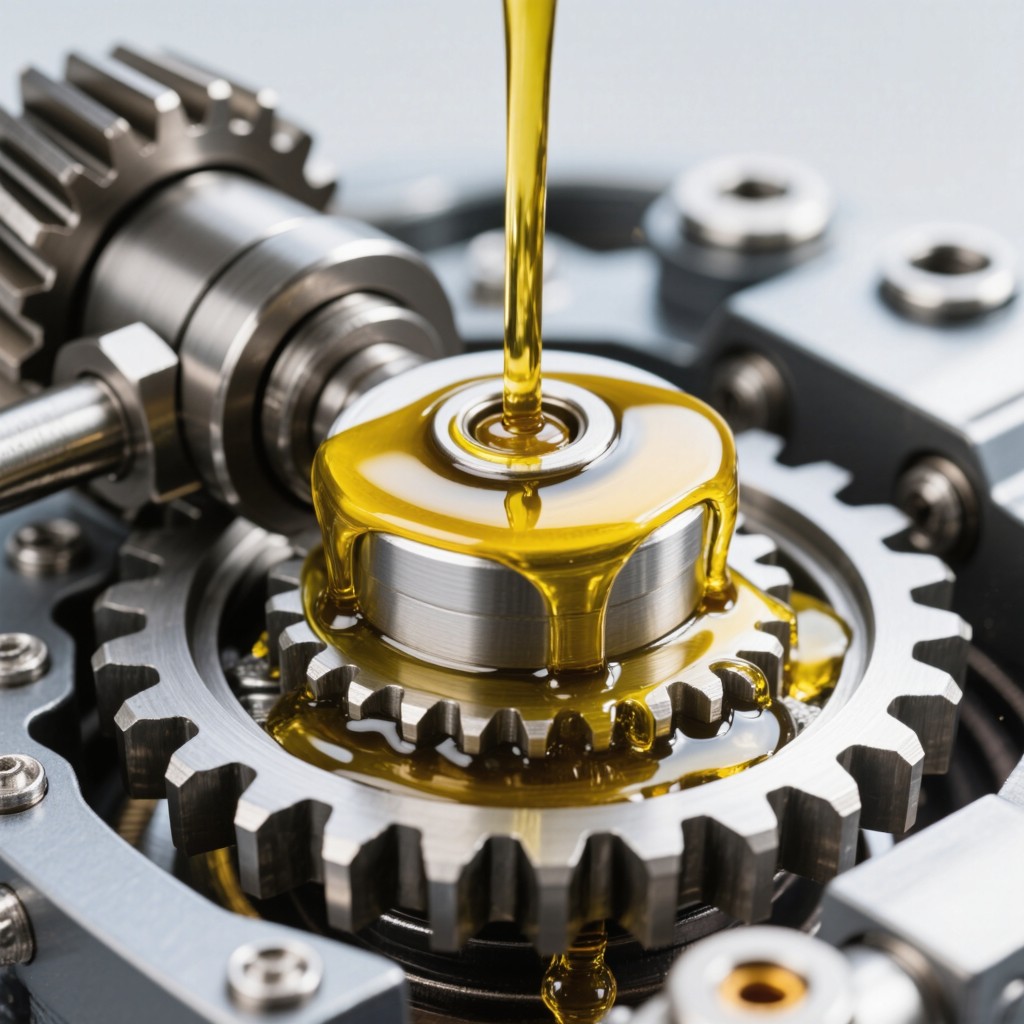
Vacuum oil purification removes water, gases, and contaminants through a controlled multi-stage process:
The contaminated oil passes through a heater and is gently warmed to 60–70 °C to reduce viscosity and increase water vapor pressure while preventing oil degradation.
The heated oil enters a vacuum separator, where it is atomized into fine droplets or spread into a thin film, significantly increasing surface area.
A high vacuum (e.g., −0.095 MPa) is created inside the separator. Under low pressure, the boiling point of water drops to around 40 °C, allowing dissolved, free, and emulsified water to rapidly vaporize.
Water vapor and non-condensable gases are extracted by the vacuum pump, condensed, and discharged, while gases are vented.
After dehydration, the oil passes through high-precision filters (1–5 microns) to remove solid particles and colloidal contaminants.
The purified oil is returned to the system or stored in a clean oil tank for reuse.
A fully functional vacuum oil purifier integrates multiple purification mechanisms:
Water Removal (Primary): Removes free water, emulsified water, and dissolved moisture, preventing corrosion and emulsification.
Degassing (Secondary): Extracts dissolved gases such as air and hydrogen, reducing oxidation and performance loss.
Impurity Removal (Basic): Multi-stage filtration removes solid contaminants, extending equipment life.
Turbine Oil Systems
Online or bypass purification prevents water contamination, avoids emulsification, and ensures bearing safety.
Transformer Insulating Oil Treatment
Strict moisture and gas limits make vacuum oil purifiers essential for maintenance, oil filling, and commissioning.
Hydraulic Systems
Improves oil cleanliness and reduces valve sticking and component wear.
Lubricating Oil Purification and Regeneration
Extends oil service life, lowers replacement costs, and improves efficiency.
Not all oil purification equipment can remove dissolved water:
Plate and Frame Pressure Filters: Remove solids and limited free water only.
Centrifugal Oil Purifiers: Effective for free water but poor at dissolved moisture removal.
Coalescing Separation Oil Purifiers: Excellent for free water and emulsions, less effective for dissolved water.
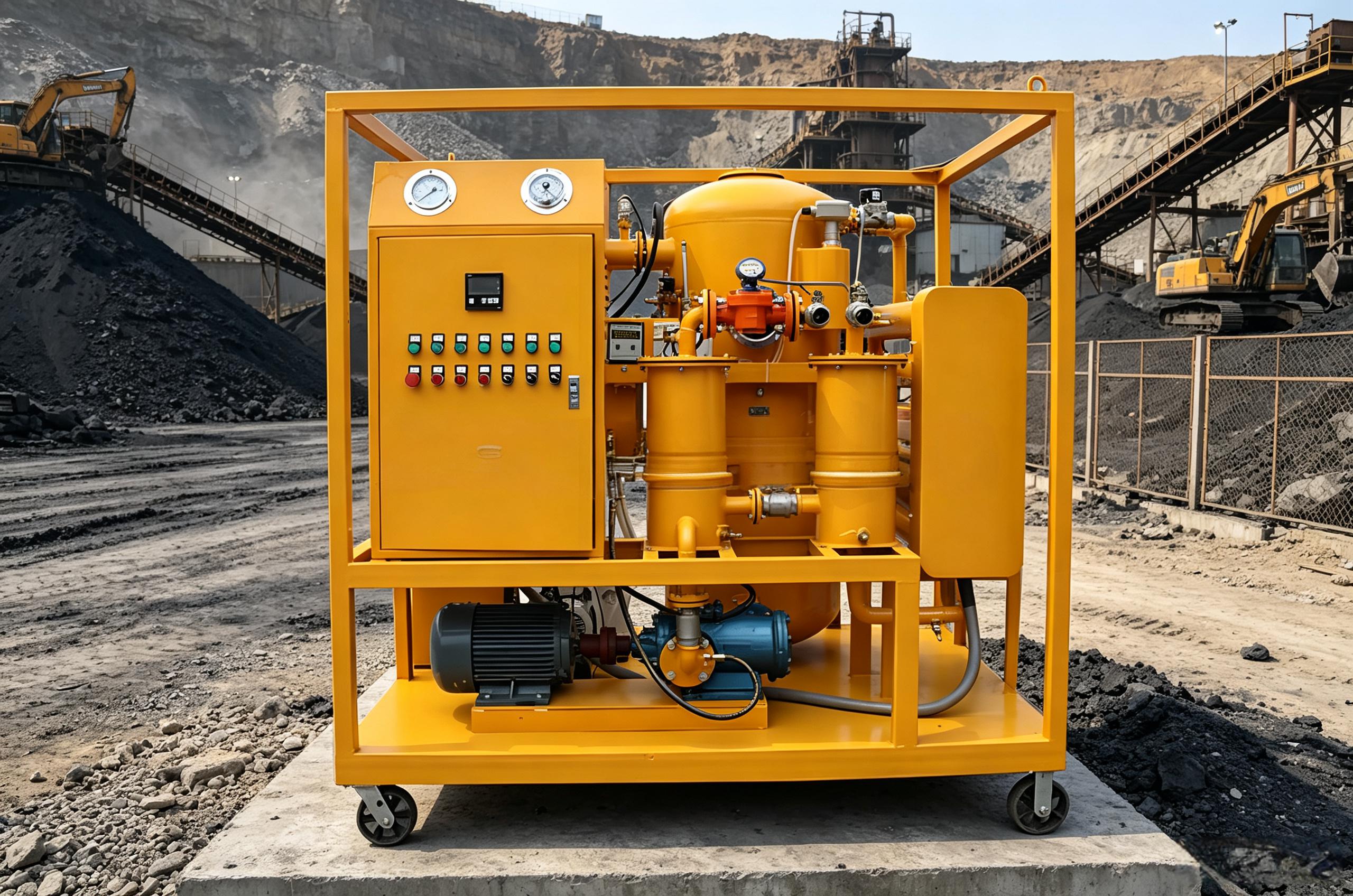
Vacuum oil purifiers are the most effective solution for oil dehydration, particularly for turbine oil and transformer insulating oil. In most industrial contexts, the term oil purifier refers to a vacuum oil purification system combining heating, vacuum separation, degassing, and precision filtration.
When selecting equipment, vacuum dehydration performance—especially water removal capacity—is a key parameter determining oil quality and equipment reliability.
Explosion-Proof Oil Purifier Selection Guide: Which Working Conditions Require One?
How to Prevent Rapid Lubricating Oil Degradation in Steel Mills
Can an Oil Purifier Remove Acid? Understanding the Limits of Oil Regeneration
Chemical Industry Oil Purification: How to Choose the Right Oil Purifier
Why Is Coalescing Water Removal More Stable Than Vacuum Dehydration?