E-mail seo@sino-purification.com

Time:2026-01-21 15:38:16 Reading volume:
Transformer oil regeneration is generally more cost-effective and sustainable than oil replacement, as long as the oil is not severely degraded. Oil replacement is only necessary when insulation performance can no longer be restored.
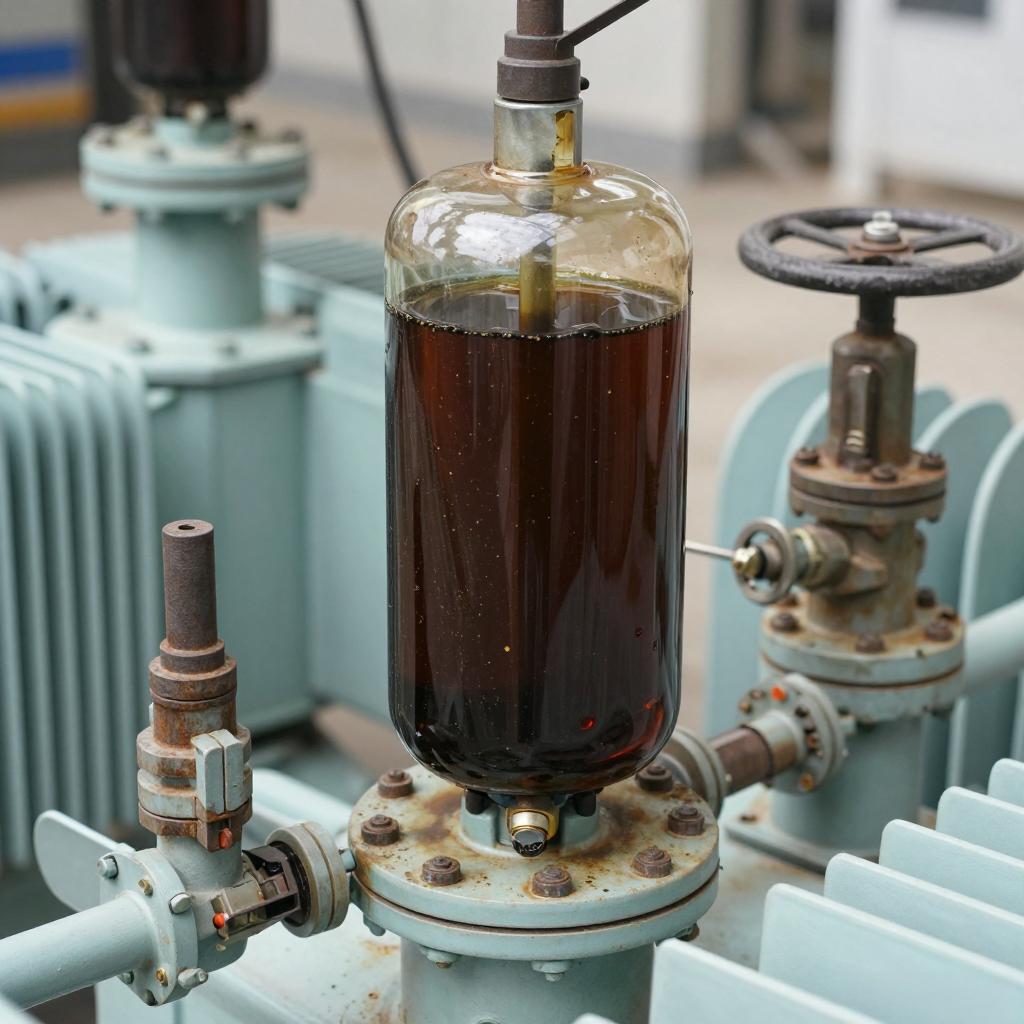
Transformer oil provides insulation, cooling, and arc suppression. Over time, heat, oxygen, and moisture cause:
Oxidation and acid formation
Sludge and carbon deposits
Reduced dielectric strength
Poor oil quality accelerates insulation aging and increases the risk of transformer failure.
Transformer oil regeneration is a multi-stage purification process that restores aged oil for reuse. It typically includes:
Vacuum dehydration and degassing to remove moisture and gases
Fine filtration to remove sludge and particles
Adsorption regeneration using activated clay or molecular sieves to neutralize acids
When properly treated, regenerated oil can recover 80–95% of new oil dielectric performance, meeting IEC 60422 and IEEE C57.106 recommendations.
Benefits of Transformer Oil Regeneration
Lower cost: 20–40% of full oil replacement
Minimal downtime: often 2–4 hours or online without shutdown
Extended transformer life: restores up to 90% of insulation properties
Lower environmental impact: less waste oil and lower carbon emissions
Transformer oil replacement is required when degradation exceeds recoverable limits, including:
Acid value > 0.5 mg KOH/g
Dielectric strength < 20 kV/mm
Heavy sludge, dark color, or strong odor
Failed purification attempts
Replacement restores the transformer to near-new condition but involves a higher cost, longer downtime (1–3 days), and greater environmental impact.
Cost and Downtime Comparison
| Item | Oil Regeneration | Oil Replacement |
|---|---|---|
| Cost (per 1000 L) | USD 300–500 | USD 1,500–2,000 |
| Downtime | 2–4 hours | 1–3 days |
| Environmental impact | Low | High |
| Typical savings | 40–70% | — |
Regenerate: Dielectric strength > 30 kV/mm, acid value < 0.3 mg KOH/g
replace: Severe oxidation, heavy sludge, critical high-voltage transformers
Many operators adopt a hybrid strategy: periodic oil regeneration with full replacement every 8–10 years.
Conclusion
For most transformers in regular service, transformer oil regeneration delivers the best balance of cost, reliability, and sustainability. Oil replacement remains essential for severely degraded or mission-critical equipment, but purification is now a strategic asset-management approach, not just routine maintenance.
Explosion-Proof Oil Purifier Selection Guide: Which Working Conditions Require One?
How to Prevent Rapid Lubricating Oil Degradation in Steel Mills
Can an Oil Purifier Remove Acid? Understanding the Limits of Oil Regeneration
Chemical Industry Oil Purification: How to Choose the Right Oil Purifier
Why Is Coalescing Water Removal More Stable Than Vacuum Dehydration?