E-mail seo@sino-purification.com

Time:2025-04-23 10:39:30 Reading volume:
The principle of waste oil filter equipment is mainly based on physical separation technology. It removes impurities, moisture, colloids and other pollutants in waste oil through multi-stage treatment to restore the cleanliness and availability of the oil. The following is its core working principle and common technical classification:
- Principle: Remove large particles of impurities (such as metal chips, dust, etc.) through mechanical filtration.
- Technology:
- Screen/filter element filtration: Use filters with different pore sizes (10-50 microns) to intercept solid particles.
- Magnetic filtration: Adsorbs ferromagnetic metal impurities (applicable to metal-containing waste oil).
(1) Vacuum dehydration and degassing
- Principle: Use a negative pressure environment to lower the boiling point of water, so that water and light volatiles evaporate.
- After the waste oil is heated to 50-70℃, it enters the vacuum tank, and the water vaporizes and is extracted under low pressure.
- Removes free water, dissolved water and air.
(2) Centrifugal separation
- Principle: Based on density difference, separates water, solids and oil through high-speed rotation (centrifugal force).
- Suitable for waste oil with high water content (such as lubricating oil, hydraulic oil).
(3) Adsorption purification
- Principle: Use adsorption materials (white clay, silica gel, activated alumina) to remove colloids, pigments and acidic substances.
- Commonly used for the regeneration of precision oils such as transformer oil.
(4) Coagulation separation
Principle: The coalescing filter element merges tiny water droplets into large droplets, which settle and discharge through the separation layer.
- Suitable for emulsified oil (such as turbine oil).
- Precision filter element: 1-5 micron high-precision filtration to ensure that the cleanliness of the oil meets ISO standards (such as ISO 4406).
- Additive supplement: Some equipment can add antioxidants to restore oil performance.
| Type | Applicable scenarios | Purification effect |
|------------------|----------------------------------|----------------------------------|
| Plate and frame oil filter | Waste oil with high solid impurities (such as gear oil) | Remove particles > 1 micron, limited dehydration capacity |
| Vacuum oil filter | Insulating oil and hydraulic oil that need deep dehydration | Water content can be reduced to below 50ppm |
| Centrifugal oil filter | Industrial waste oil with high water content | Quickly separate water and solids, but high energy consumption |
| Coalescing and dehydration oil filter | Oil with severe emulsification (such as cutting fluid) | Demulsification, water ≤ 100ppm |
- Industrial field: power plant turbine oil, rolling mill oil, ship fuel.
- Automotive industry: engine oil, transmission oil regeneration.
- Environmental recycling: waste oil regeneration, base oil (need to cooperate with chemical processes such as distillation).
Notes
- Oil type: Different oils (mineral oil, synthetic oil) need to be matched with the corresponding equipment.
- Pollution degree: Severely deteriorated oil may require chemical treatment (such as pickling, dewaxing).
- Safety specifications: High temperature and vacuum operation require an explosion-proof design to avoid oil and gas leakage.
Through the above multi-technical combination, the waste oil filter can restore the oil to a standard close to new oil (such as moisture <0.05%, cleanliness NAS 6 level), realizing resource recycling.
Explosion-Proof Oil Purifier Selection Guide: Which Working Conditions Require One?
How to Prevent Rapid Lubricating Oil Degradation in Steel Mills
Can an Oil Purifier Remove Acid? Understanding the Limits of Oil Regeneration
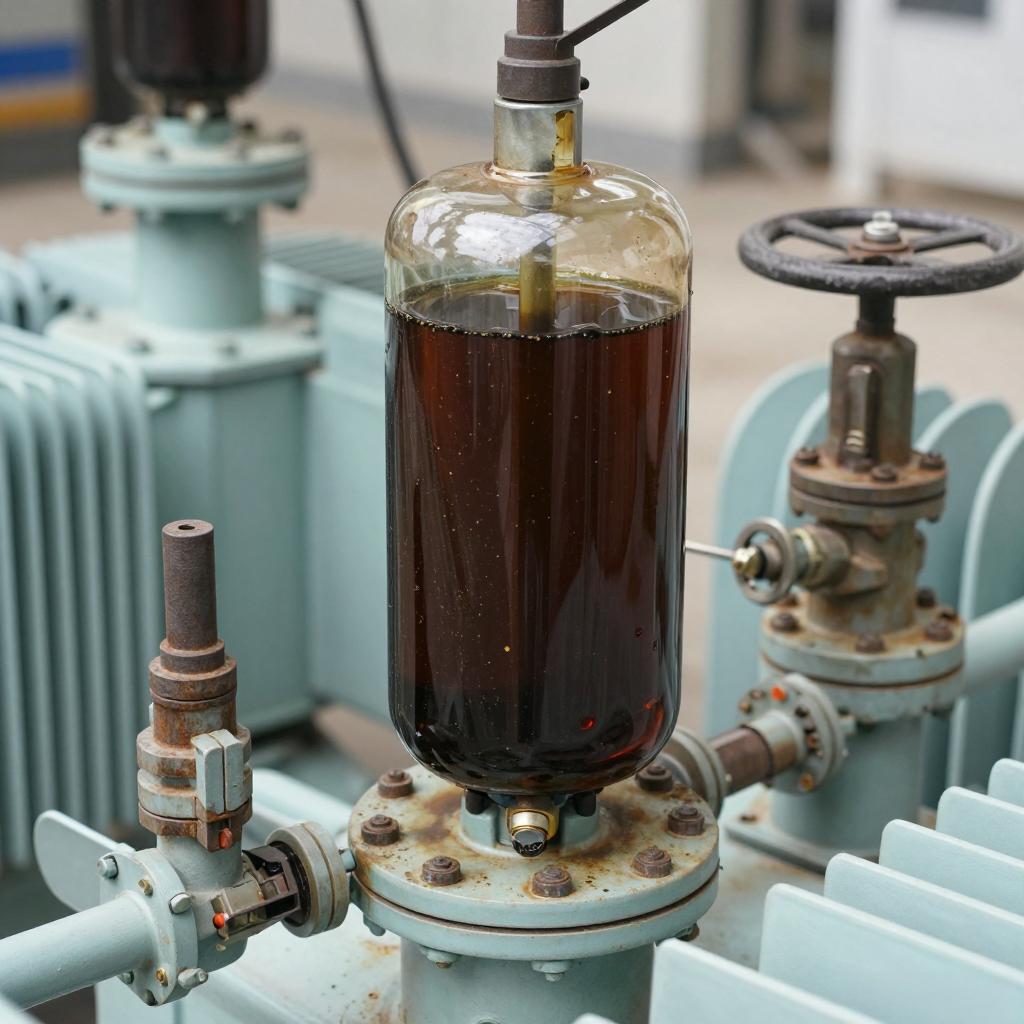
Chemical Industry Oil Purification: How to Choose the Right Oil Purifier
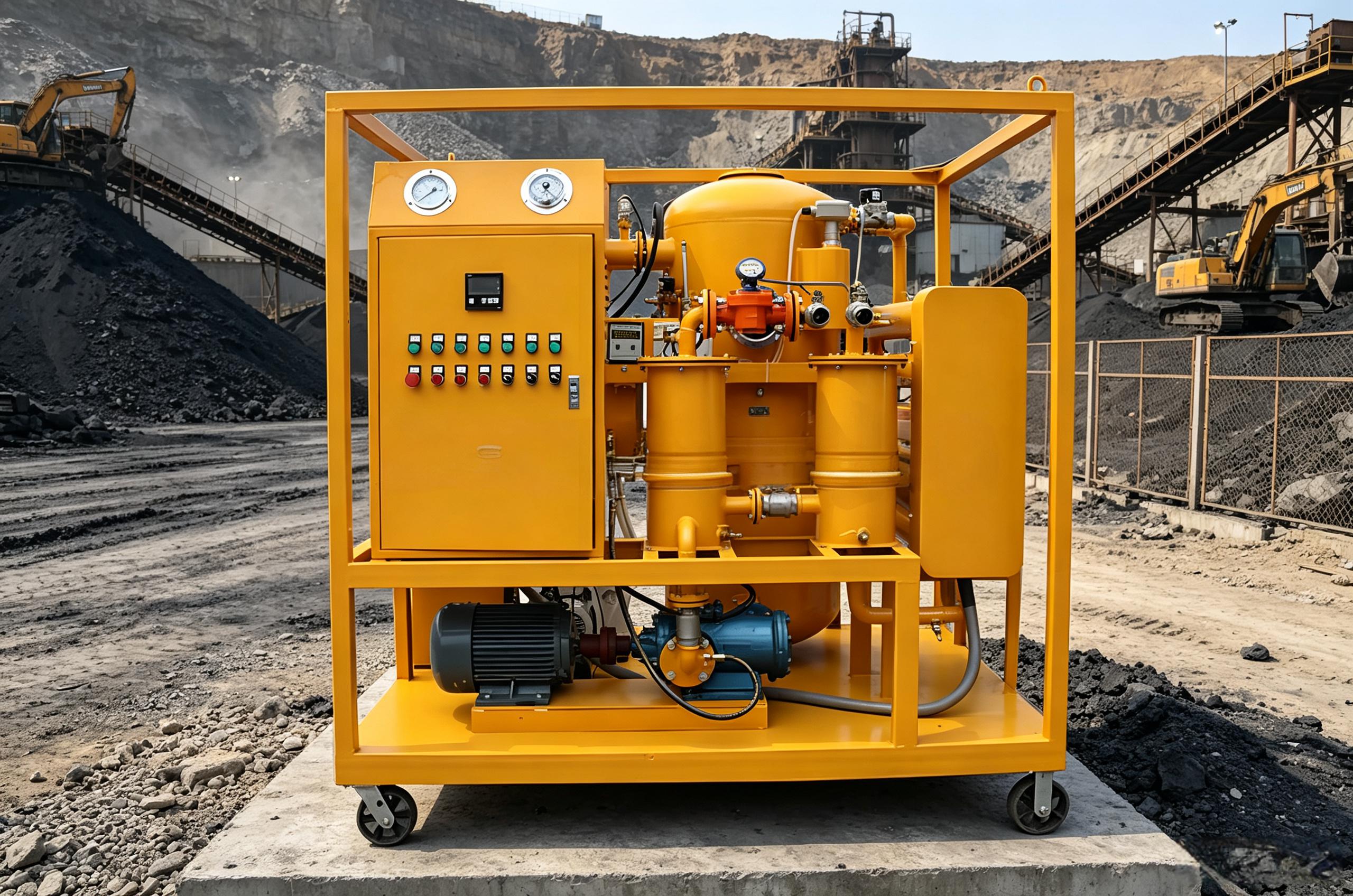
Why Is Coalescing Water Removal More Stable Than Vacuum Dehydration?