E-mail seo@sino-purification.com

Time:2025-06-11 13:45:53 Reading volume:
The best way to filter hydraulic oil requires multi-technique coordination according to the type of pollution (particles, water, gas, oxides, etc.) and system requirements. The following is a step-by-step high-efficiency filtration solution that takes into account the effect, cost and operability:
1. Visual inspection and simple test
- Particle pollution: The oil is turbid and there are black deposits on the filter paper (tested by ISO 4406/NAS 1638).
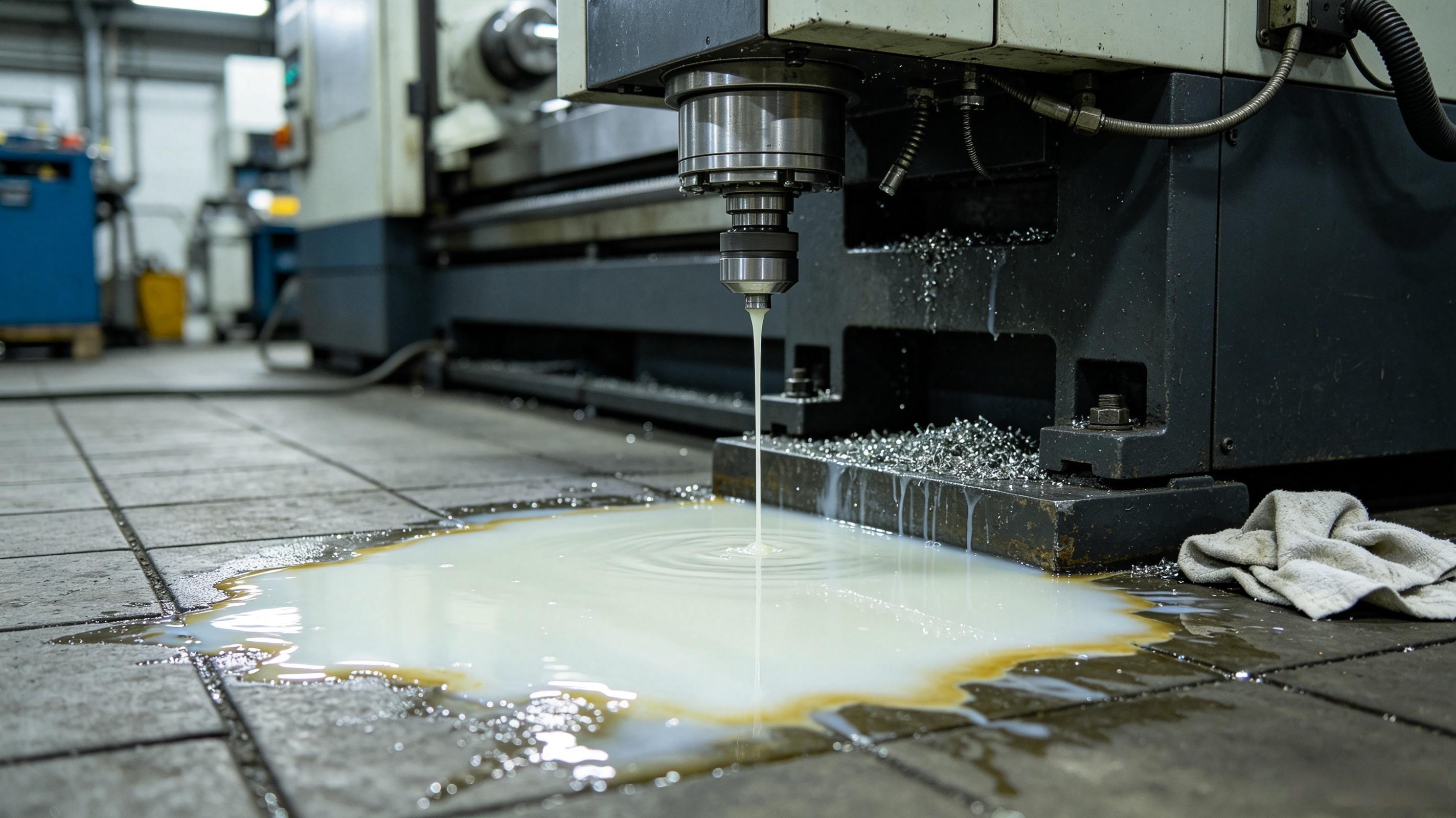
- Water pollution: The oil is milky white and there are water droplets at the bottom (Karl Fischer test, >100 ppm needs to be treated).
- Gas pollution: The oil is foamy and the pump is noisy (gas content >0.5% needs to be degassed).
2. Laboratory testing (when seriously polluted)
- Acid value (>0.1 mg KOH/g requires antioxidant treatment), viscosity change (±15% requires oil change).
Stage 1: Coarse filtration (large particle removal)
- Equipment: centrifuge or 100μm metal mesh filter.
- Operation:
- Pump oil from the bottom of the tank and filter it in a cycle until no visible impurities are present.
- Note: If the oil contains iron filings, install a magnetic filter.
Stage 2: Fine filtration (micron-sized particles)
- Equipment: high-precision oil filter with β₅≥200 (such as Pall, Hy-Pro).
- Parameters:
- Servo system: 1~3μm filter element (ISO 4406 14/12/9).
- Ordinary hydraulics: 5~10μm filter element (ISO 4406 16/14/11).
- Tips:
- replace the filter element immediately when the pressure difference is >0.15 MPa.
- The double-barrel filter can switch the filter element online without stopping the machine.
Stage 3: Dehydration (when moisture content is >50 ppm)
- Coagulation separation:
- Rapidly reduce moisture content to 50~100 ppm (suitable for routine maintenance).
- Vacuum dehydration:
- Deep dehydration to ≤10 ppm (need to be heated to 50~60℃, vacuum degree ≤-0.095 MPa).
Stage 4: Degassing and anti-oxidation (optional)
- Vacuum degassing: Treat oil with gas content >0.3%.
- Additive supplementation: Add 0.3% T501 antioxidant (when acid value is high).
IV. Operation optimization skills
1. Temperature control:
- Keep the oil temperature at 40~60℃ during filtration (too high accelerates oxidation, too low increases viscosity).
2. Flow matching:
- The oil filter flow ≥ 1.5 times the tank volume (e.g. 200L tank, choose 300L/h equipment).
3. Online monitoring:
- Install a particle sensor (such as Parker ICON) to warn of pollution in real time.
1. Filter element regeneration:
- The metal filter can be reused 3 times after ultrasonic cleaning, saving 30% of the cost.
2. Oil classification:
- Fine filtered oil is used for servo systems, and coarse filtered oil is used for low-pressure systems.
3. Pollution prevention:
- Install a breather dryer on the oil tank to prevent water inhalation.
- Problem 1: It still gets dirty quickly after filtering
Reason: Residual contaminants in the oil tank or pipeline.
Solution: Use flushing oil (low viscosity) to circulate and flush the system.
- Problem 2: Low vacuum dehydration efficiency
Reason: Poor vacuum pump sealing or insufficient oil temperature.
Solution: Check the sealing ring and heat it to 60℃.
- Particle cleanliness: ISO 4406 (target 14/12/9) or NAS 1638 (Class 5).
- Moisture content: ≤100 ppm (ordinary system), ≤50 ppm (servo system).
- Air content: ≤0.1% (precision hydraulics), ≤0.3% (ordinary equipment).
The best hydraulic oil filtration should follow:
1. Diagnose contamination → 2. Filter in stages (coarse → fine → dehydration) → 3. Verify indicators.
- Economic solution: coalescence + fine filtration (suitable for most factories).
- High-end solution: vacuum + electrostatic adsorption (aviation, servo system).
Regular filtration (every 500 working hours) can extend the oil life by 3 times and reduce equipment wear by more than 60%.
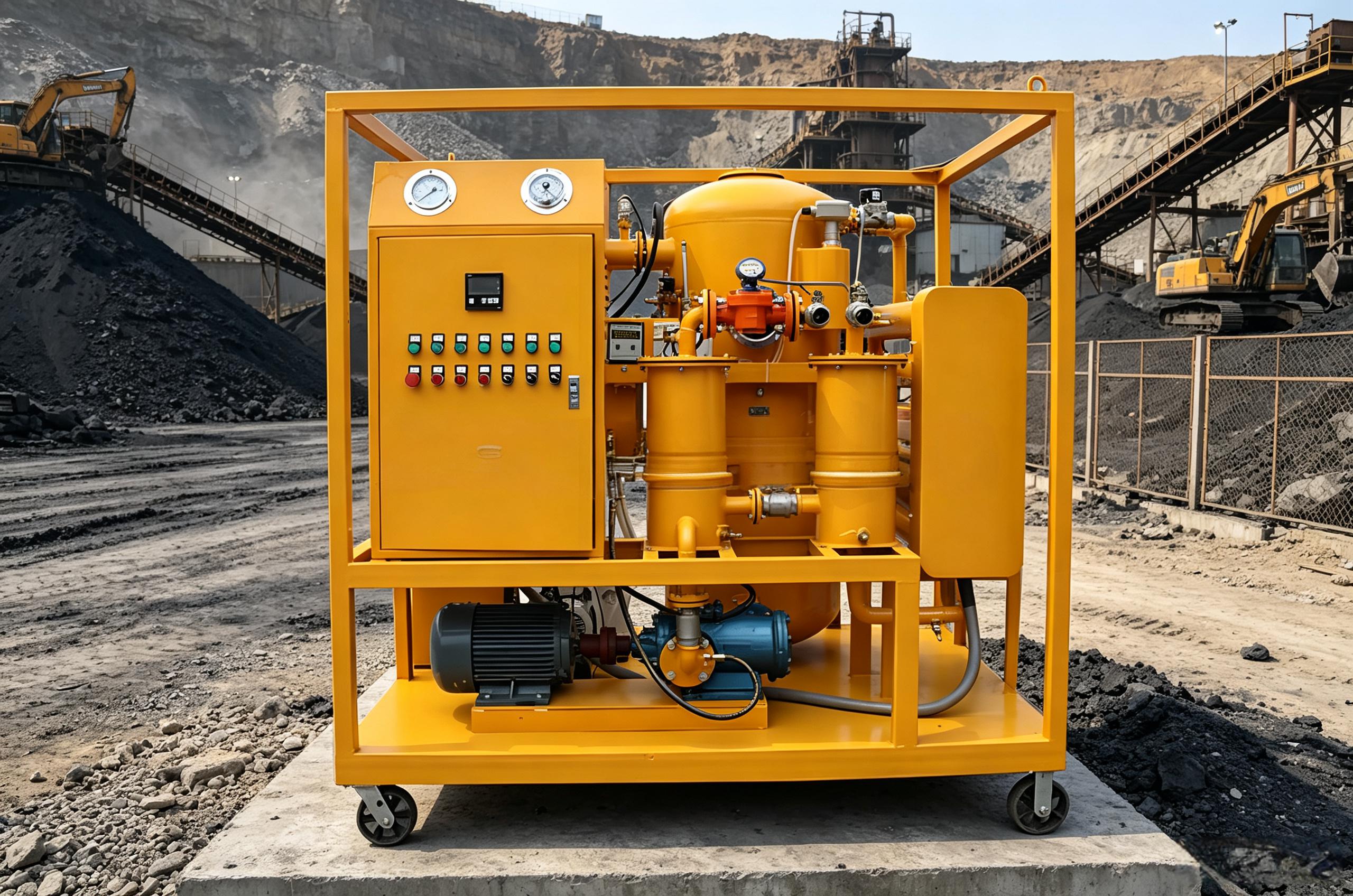
Explosion-Proof Oil Purifier Selection Guide: Which Working Conditions Require One?
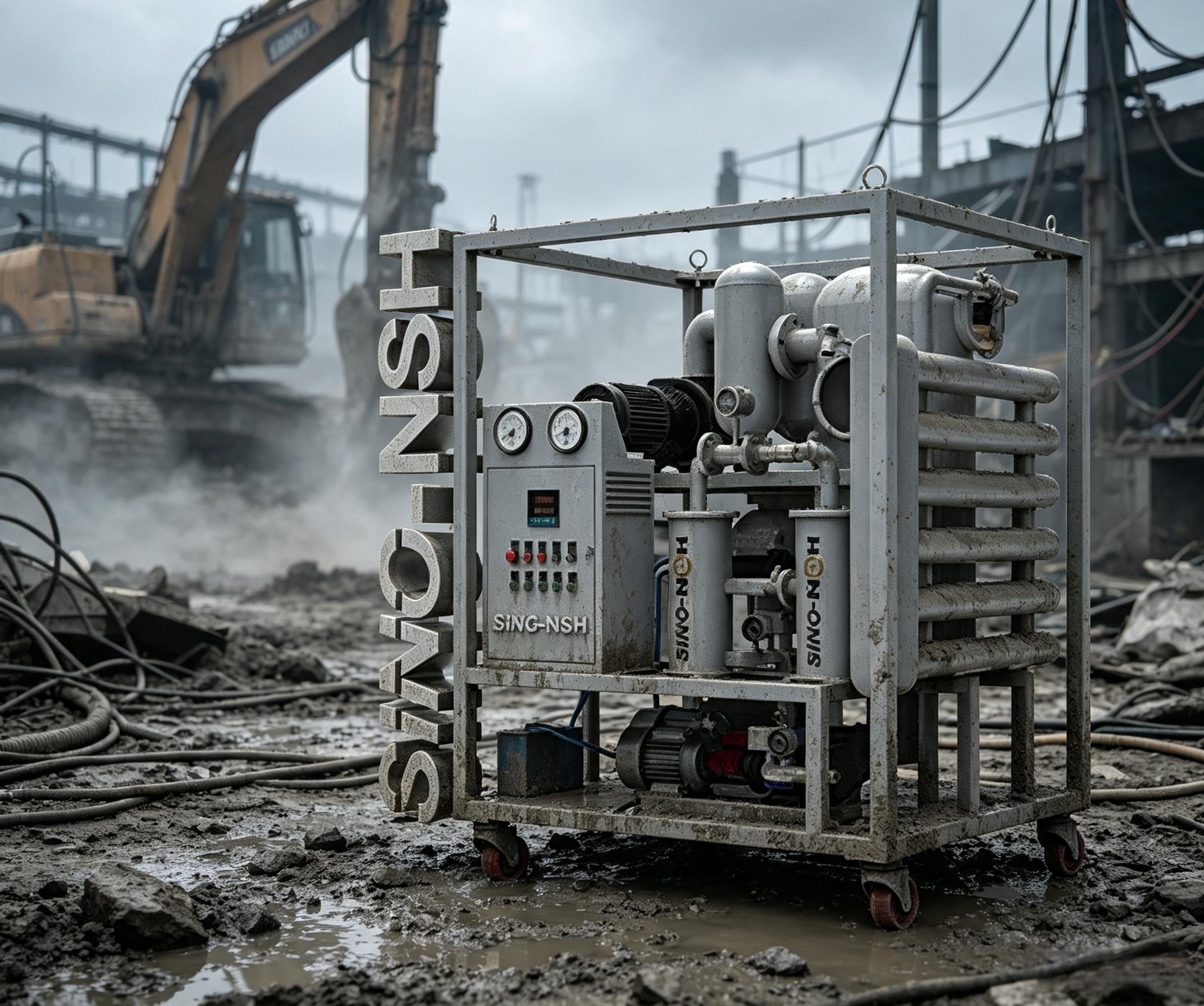
How to Prevent Rapid Lubricating Oil Degradation in Steel Mills
Can an Oil Purifier Remove Acid? Understanding the Limits of Oil Regeneration
Chemical Industry Oil Purification: How to Choose the Right Oil Purifier
Why Is Coalescing Water Removal More Stable Than Vacuum Dehydration?