E-mail seo@sino-purification.com

Time:2025-07-17 13:40:38 Reading volume:
Whether the oil purifier (lubricating oil/hydraulic oil purification equipment) used in the factory has a dehydration function depends on its design and purpose. The following is a detailed analysis:
(1) Oil purifier with dehydration function
- Applicable oils: hydraulic oil, turbine oil, transformer oil and other oils that are easy to absorb water.
- Dehydration technology:
- Vacuum dehydration (most common):
The boiling point of water is lowered by negative pressure, causing the water to evaporate and separate (as in a vacuum oil filter).
- Coagulation separation:
Use hydrophilic materials to coalesce water droplets, and then separate them by centrifugation or sedimentation (such as lubricating oil purification vehicles).
- Adsorption filtration:
Use water-absorbing filter elements (such as cellulose, silica gel) to absorb water physically.
- Typical applications:
Power industry (transformer oil), ships (turbine oil), precision machinery (lubricating oil with excessive water content).
(2) Oil purifier without dehydration function
- Only filter impurities:
Remove solid particles through mechanical filtration (such as a filter screen or filter element), but cannot remove water (such as an ordinary plate-and-frame oil filter).
- Applicable scenarios:
Simple working conditions where the oil contains only mechanical impurities and no water pollution.
- Look at the equipment name/model:
- Words such as "vacuum", "dehydration" and "double-stage filtration" usually support dehydration (such as ZJD vacuum oil filter).
- Only marked "filtration" and "oil filtration" may not have a dehydration function.
- Check technical parameters:
- Water content index: such as "water content of treated oil ≤50ppm" (international standard ISO 4406).
- Vacuum pump configuration: a necessary component of the vacuum oil filter.
- Observe the structure:
Models with vacuum tanks, coalescing separators, or water absorption filter elements can dehydrate.
- When dehydration is required, choose:
- Vacuum oil filter (highly efficient water removal and degassing).
- Coalescing oil filter (suitable for emulsified water treatment).
- When dehydration is not required, choose:
Ordinary pressure oil filter (lower cost).
- Mixed pollution treatment:
Choose a multifunctional model with "three-stage filtration (impurities + moisture + degassing)".
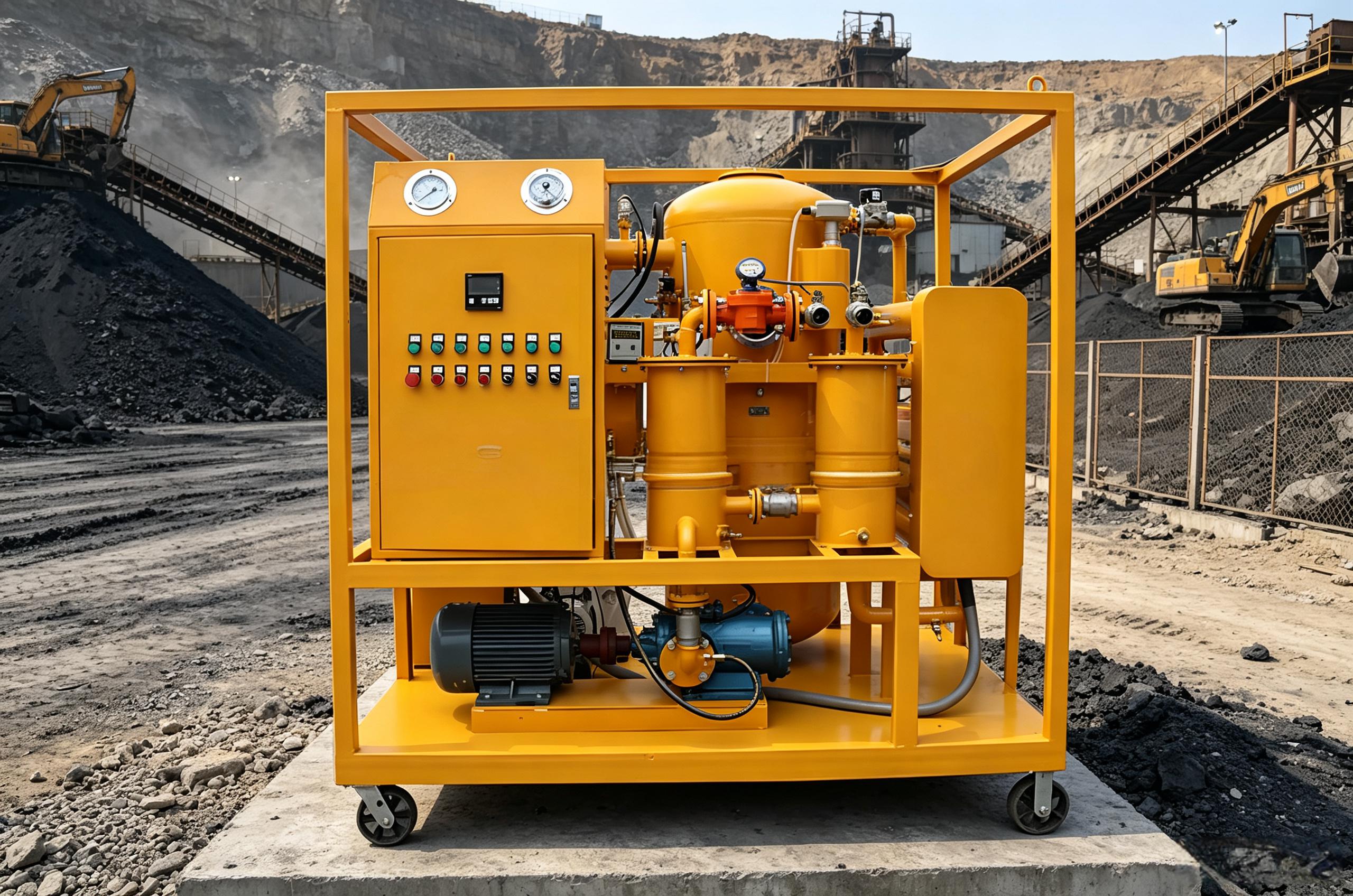
Explosion-Proof Oil Purifier Selection Guide: Which Working Conditions Require One?
How to Prevent Rapid Lubricating Oil Degradation in Steel Mills
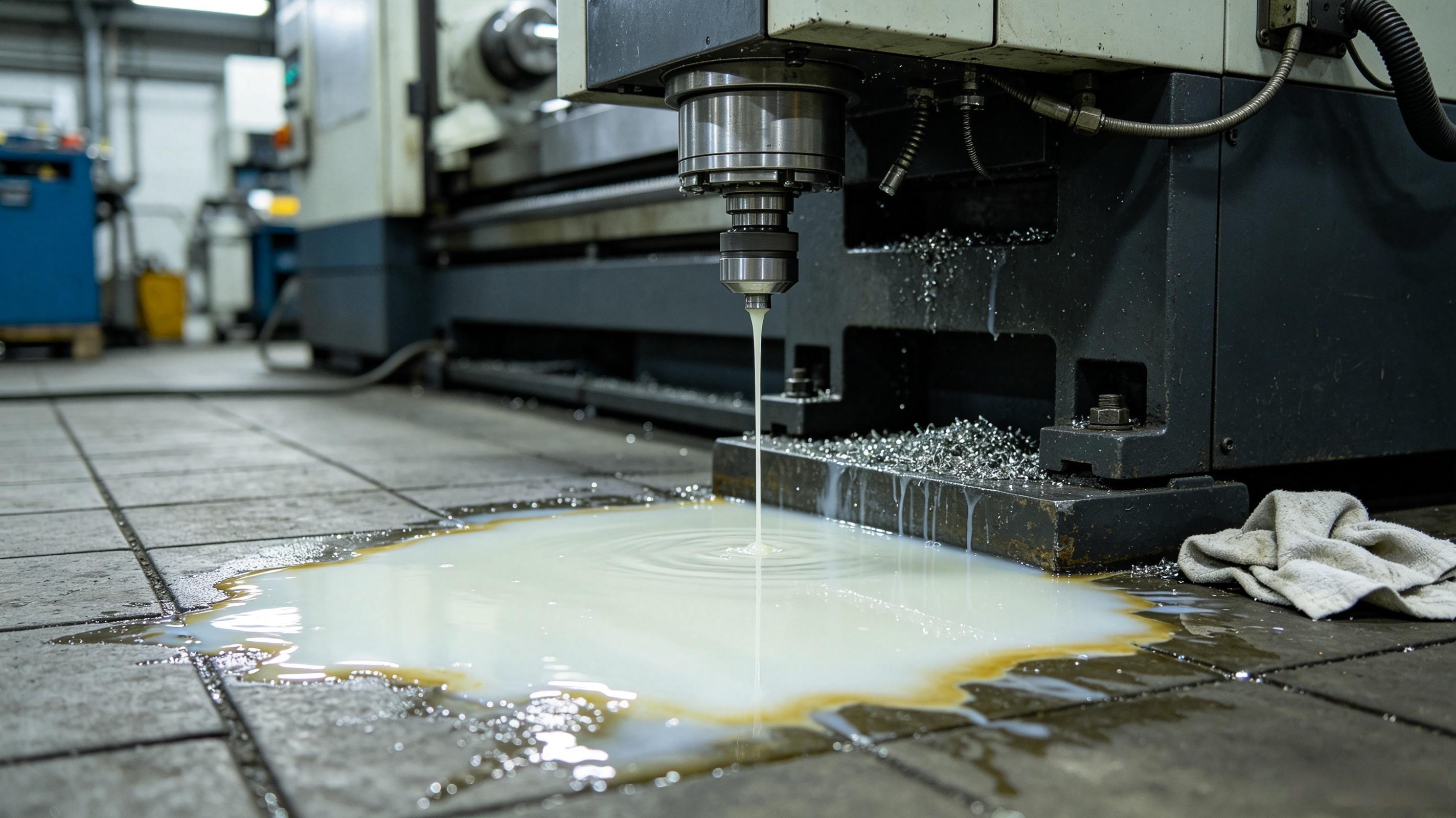
Can an Oil Purifier Remove Acid? Understanding the Limits of Oil Regeneration
Chemical Industry Oil Purification: How to Choose the Right Oil Purifier
Why Is Coalescing Water Removal More Stable Than Vacuum Dehydration?