E-mail seo@sino-purification.com

Time:2026-11-25 13:53:50 Reading volume:
Vacuum level is an important factor affecting the degassing performance of an oil purifier. However, a higher vacuum level does not automatically mean better gas removal. Actual performance also depends on oil temperature, film thickness, contact area, processing flow rate, and vacuum system design.
Understanding how these factors work together helps buyers evaluate vacuum oil purifiers more accurately.
A vacuum environment reduces the pressure above the oil, allowing dissolved gases to escape more easily. It also lowers the boiling point of water, helping moisture evaporate during the treatment process.
Generally, under the same operating conditions, lower absolute pressure (higher vacuum) promotes gas release and moisture removal.
However, vacuum level alone cannot determine the final treatment result. Oil must also be sufficiently dispersed and exposed to the vacuum environment for effective degassing.
Even when two machines operate at the same vacuum pressure, their actual degassing performance may differ because of several factors:
Oil film thickness: Thin oil films allow dissolved gases and moisture to escape more easily.
Contact area: Effective oil atomization and dispersion increase the surface area exposed to vacuum.
Oil temperature: Appropriate heating reduces oil viscosity and promotes gas release and moisture evaporation.
Processing time: Sufficient residence time allows gases and moisture to separate from the oil.
Vacuum system performance: Pump capacity, system sealing, and vapor handling affect the ability to maintain stable operating pressure.
These factors explain why the overall design of a vacuum degassing system matters as much as its rated vacuum level.
Not necessarily.
A higher vacuum can improve gas and moisture removal under suitable conditions, but continuously increasing vacuum does not guarantee proportional improvements in treatment efficiency.
Excessively demanding vacuum conditions may also increase system load, energy consumption, and equipment costs.
A properly designed oil purifier should balance operating vacuum, heating temperature, oil flow rate, and separation efficiency according to the oil type and treatment requirements.
When evaluating a vacuum oil purifier, buyers should consider more than its maximum vacuum rating:
Operating vacuum level: Check the actual working pressure under normal operating conditions.
Degassing performance: Request test data showing dissolved gas content before and after treatment.
Dehydration performance: Compare moisture content before and after purification.
Processing capacity: select a suitable flow rate based on oil type, initial contamination, and target treatment results.
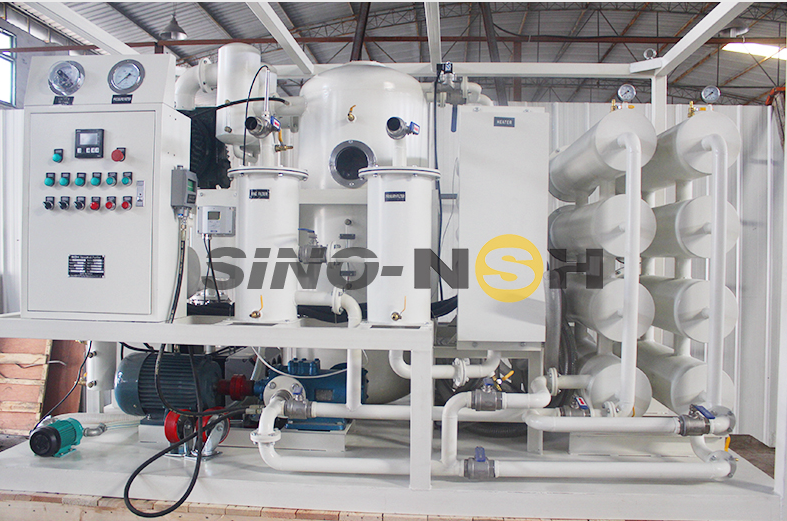
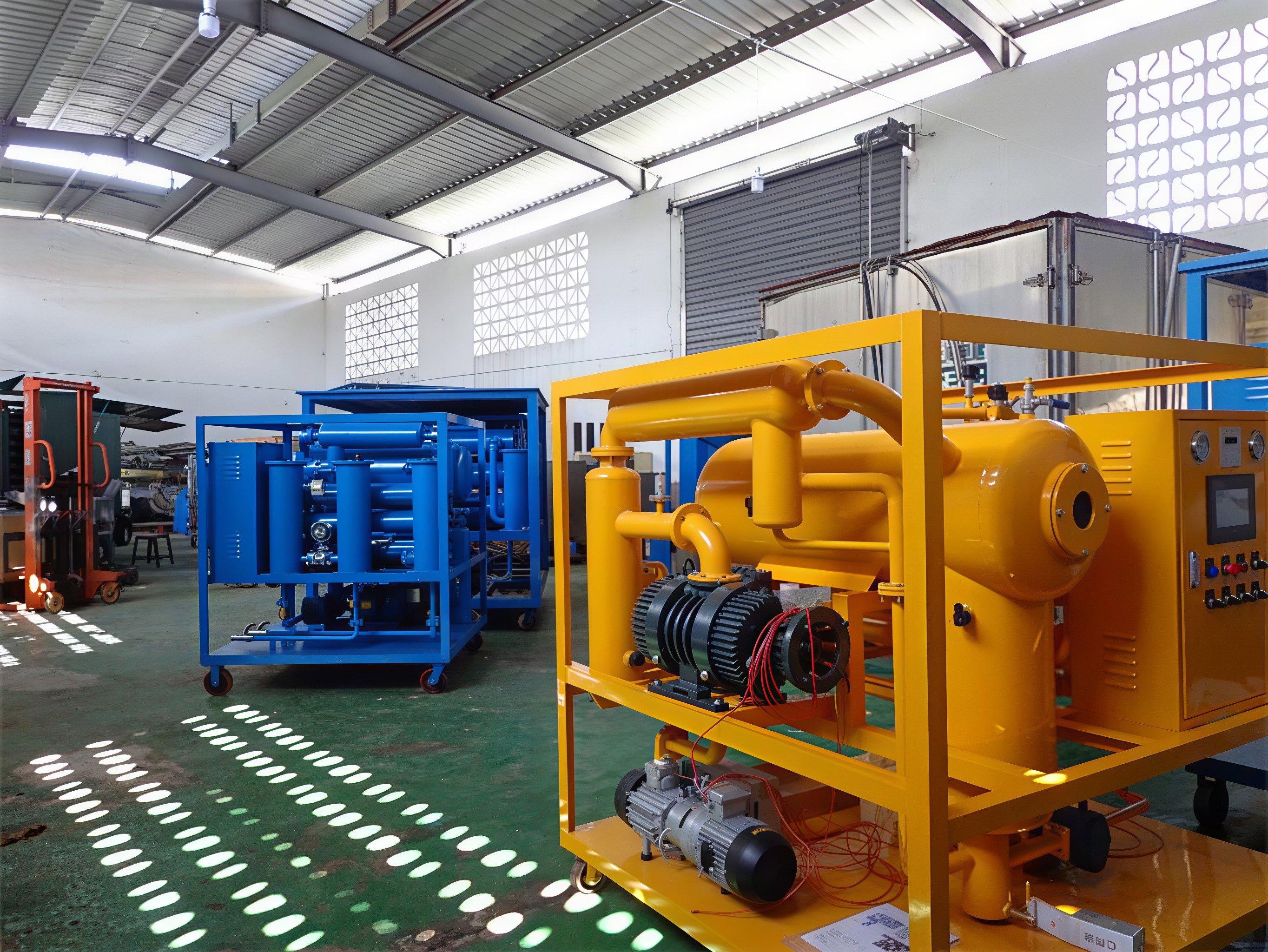
Vacuum system configuration: Check the vacuum pump, condenser, vacuum separation chamber, and control system.
Different oils require different treatment approaches. Transformer oil purification often focuses on moisture and dissolved gas removal, while turbine oil treatment may also require attention to water separation and oil emulsification.
Vacuum level is a key operating parameter in oil degassing, but it is not the only measure of purifier performance. Effective gas and moisture removal depends on the combined performance of the vacuum system, heating process, oil distribution, and separation design.
When selecting a vacuum oil purifier, buyers should evaluate actual operating pressure and verified treatment results rather than comparing maximum vacuum ratings alone.
SINO-NSH provides vacuum oil purification solutions designed around different oil types, operating conditions, and treatment requirements. Contact our team to discuss a suitable configuration for your application.