E-mail seo@sino-purification.com

Time:2026-03-06 14:19:31 Reading volume:
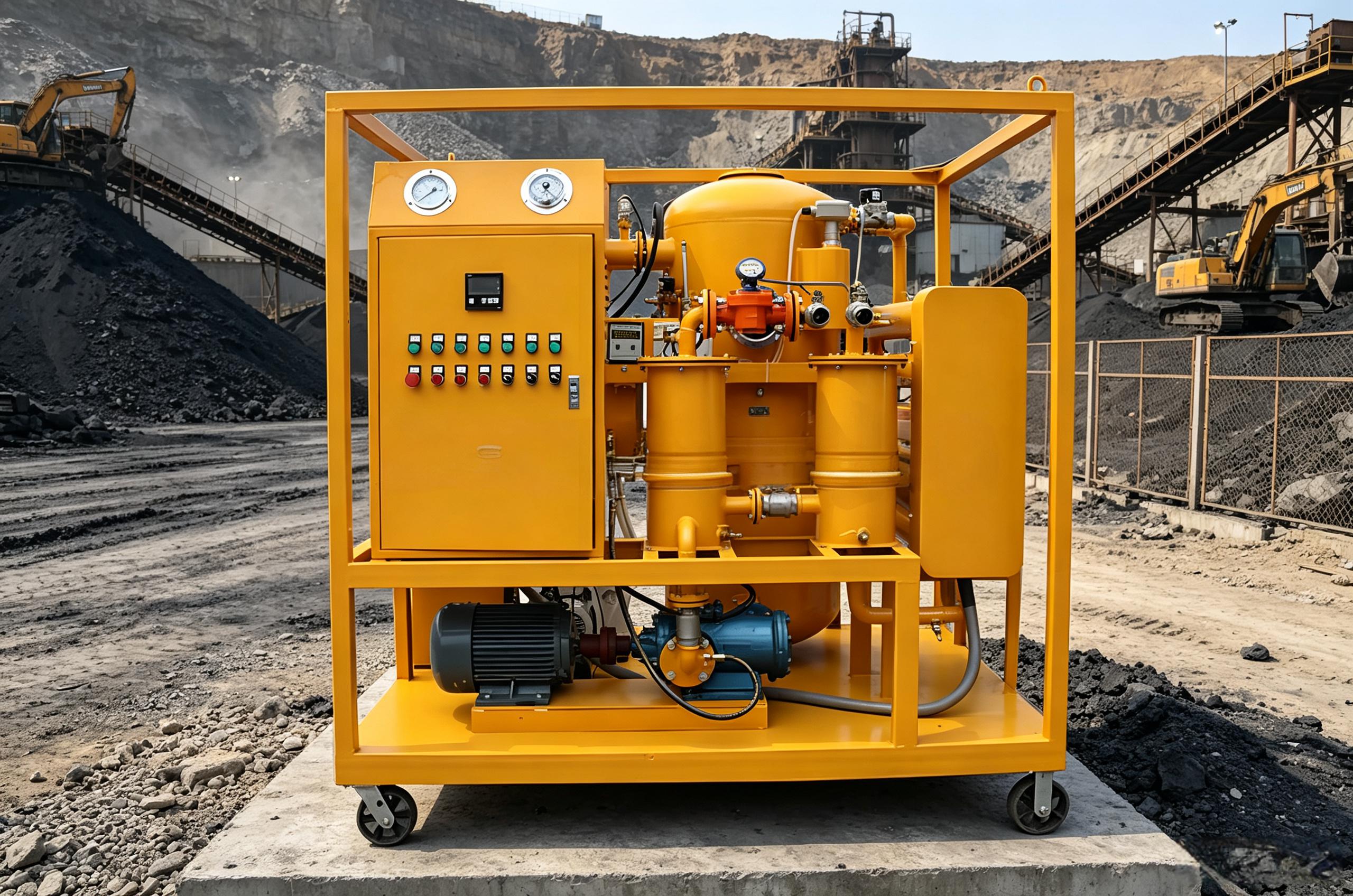
Moisture ingress is the leading cause of dielectric failure and hardware corrosion in vacuum oil purifiers. In power generation and petrochemical applications, these machines are designed to remove water from oil—but they are equally vulnerable to absorbing ambient moisture during downtime. The result? Vacuum pump emulsification, dielectric breakdown, internal oxidation, and costly unplanned outages.
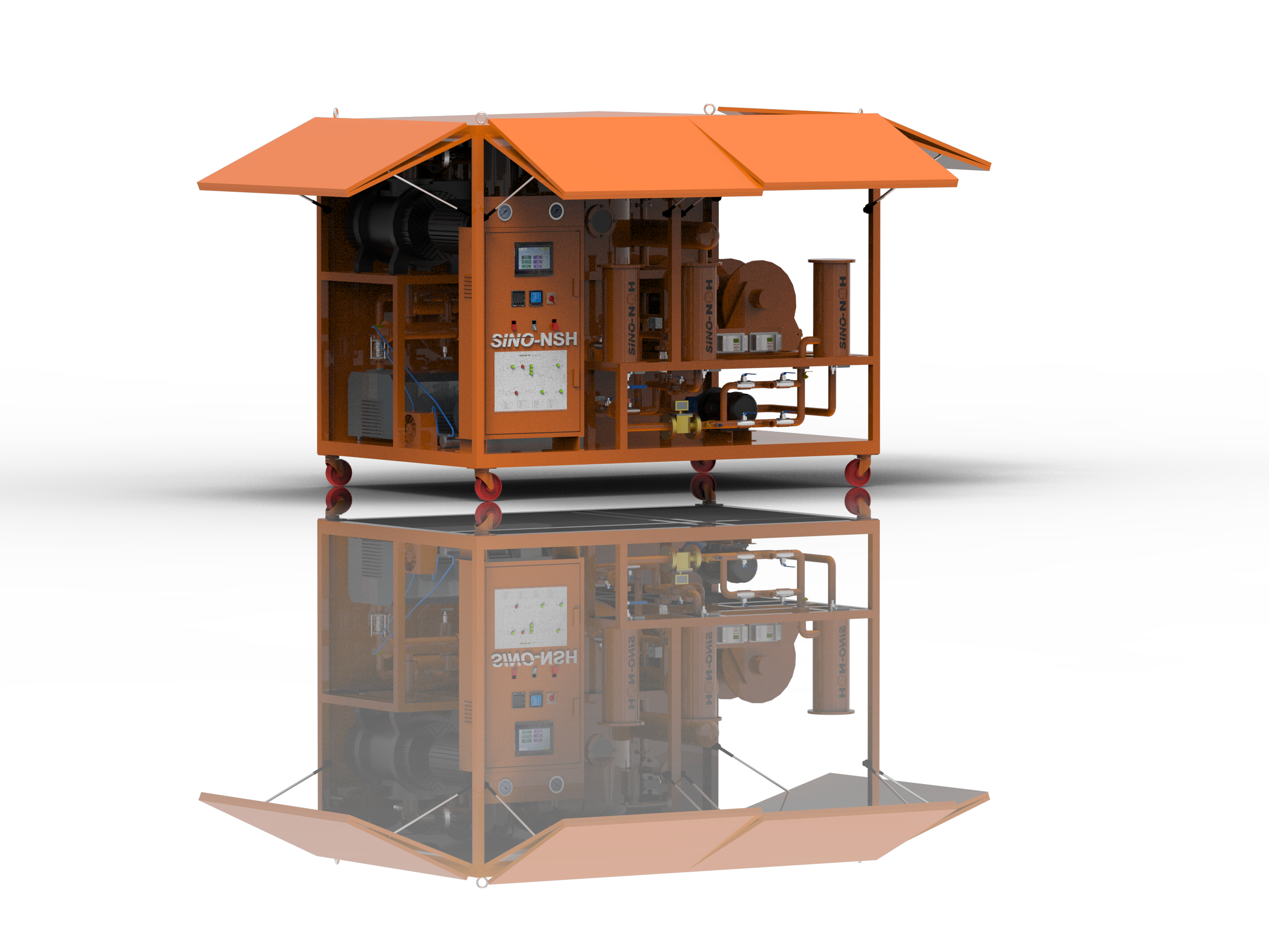
A vacuum oil purifier is designed to remove water from insulating and lubricating oils. However, when the unit sits idle, it becomes a magnet for atmospheric humidity. The consequences cascade quickly:
Vacuum Pump Emulsification occurs when water mixes with pump oil, drastically reducing vacuum efficiency and forcing premature oil changes.
Dielectric Breakdown follows when moisture infiltrates heating elements or control panels, creating short circuits that can disable the entire system.
Internal Oxidation takes hold as rust forms inside the vacuum tank and filter housings, shedding particulate contamination directly into the oil you are trying to clean.
The first line of defense is the storage environment itself. For indoor storage, maintain relative humidity below 60 percent. In tropical or coastal regions, industrial dehumidifiers are not optional—they are mandatory for protecting sensitive vacuum components.
Elevation matters as well. Never store the unit directly on a concrete floor. Concrete releases rising damp that accelerates chassis and motor corrosion. Use heavy-duty pallets with at least 20 centimeters of clearance to break this moisture path.
This is where proactive engineering makes the biggest difference.
Desiccant Air Breathers represent the most critical upgrade for any vacuum oil purifier. When the vacuum is broken or the unit "breathes" during temperature fluctuations, it should only draw air through a silica gel breather. This simple mechanism ensures every cubic inch of air entering the tank is stripped of humidity before it can condense.
Hermetic Port Sealing is equally essential. When the machine is not in use, oil inlets and outlets must be sealed with blind flanges or threaded plugs fitted with O-rings. Avoid using rags or plastic tape—these materials are not vapor-proof and create a false sense of security.
Active prevention beats passive protection. For units on standby, run the machine once every 15 days. Heat the internal oil—or a small bypass loop—to 60 to 70 degrees Celsius and operate the vacuum system for two hours.
This thermal cycling physically evaporates and extracts any condensation that has accumulated in pipelines during idle periods. It is a low-cost habit that prevents high-cost failures.
Vacuum Pump Oil deserves daily visual inspection. If the sight glass shows milky or cloudy oil, it is contaminated with water. Change it immediately to prevent internal seizing and irreversible pump damage.
Seal Integrity should be inspected annually. Pay particular attention to the vacuum tank's main gasket. Micro-cracks can allow humid air to seep in even when the machine is powered off, slowly degrading performance until a critical failure occurs.
A structured inspection routine eliminates guesswork.
Daily: Verify that all port caps and flanges are torqued to spec and airtight. This takes seconds but prevents hours of remediation.
Weekly: Check the silica gel status. Deep blue indicates active drying capacity. replace immediately if the gel turns pink or transparent—it has reached saturation and is no longer protecting your system.
Monthly: Examine the vacuum pump oil. It should remain crystal clear with no layering or cloudiness. Any deviation warrants an immediate oil change.
Quarterly: Test insulation resistance using a megohmmeter. This verifies that moisture has not compromised electrical safety margins, protecting both equipment and personnel.
Why is my vacuum pressure dropping even after a fresh oil change?
Check for internal sweating. If the tank was stored in a cold environment and moved to a warm, humid location, condensation forms on the inner walls. Run the heaters without engaging the vacuum first to stabilize the internal temperature, then proceed with normal operation.
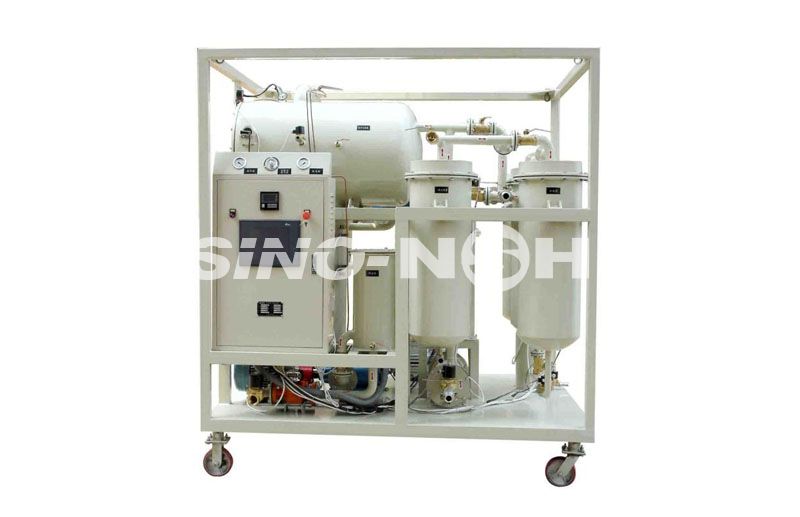
How do I protect a unit on a remote construction site?
Use a custom-fit waterproof tarpaulin as your primary shield. Ensure that exhaust and intake ports face downward to prevent rainwater ingress through the piping. For extended site deployments, consider portable desiccant dryers to supplement the breather system.
Preventing moisture in your oil purifier is not about aesthetics—it is about operational safety and asset longevity. By implementing a "Seal-Dry-Heat" defensive triad, you can reduce unexpected downtime by over 85 percent. Start with the checklist above, train your team on the warm-up protocol, and treat moisture control as the maintenance priority it deserves.
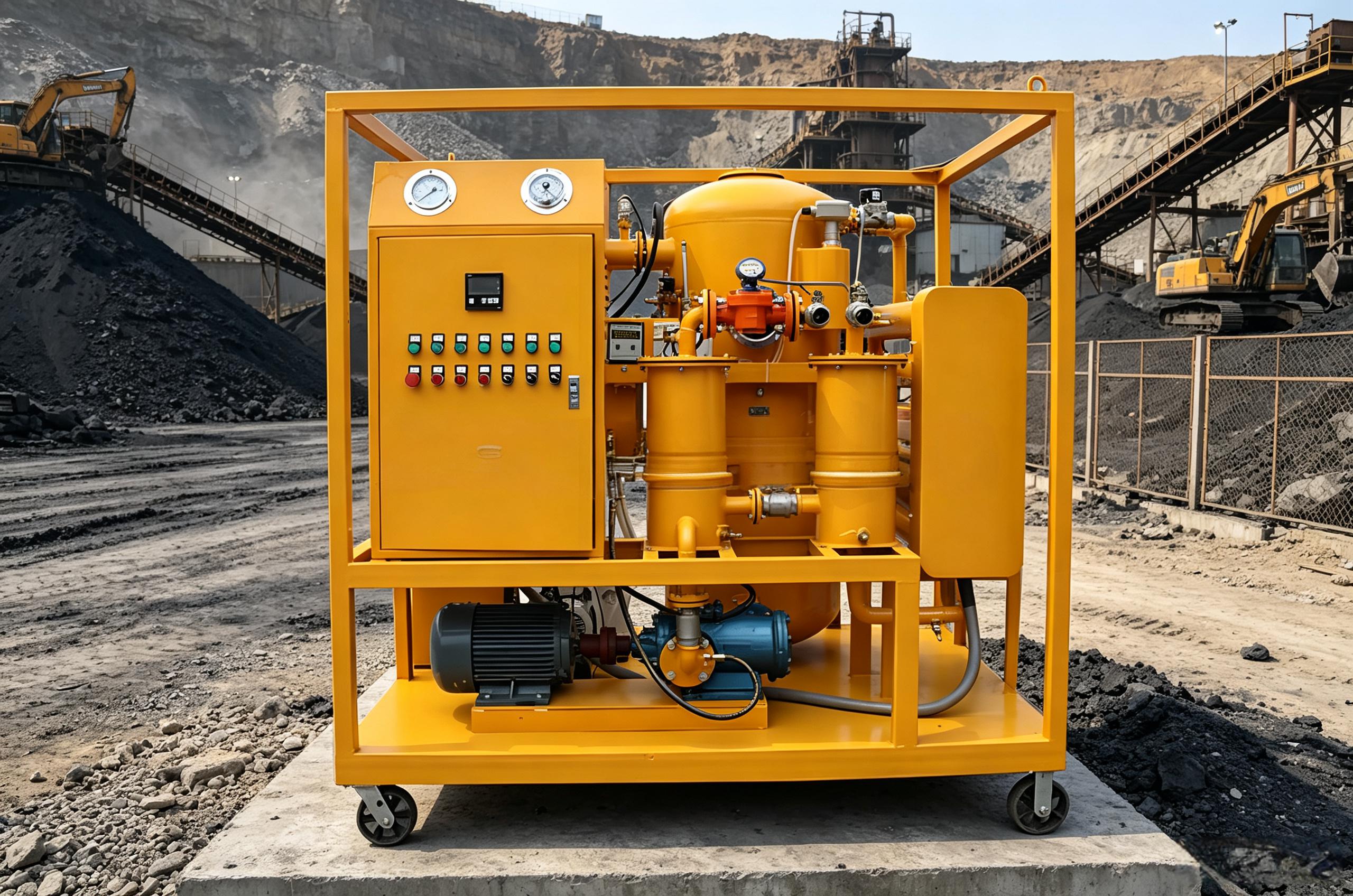
Explosion-Proof Oil Purifier Selection Guide: Which Working Conditions Require One?
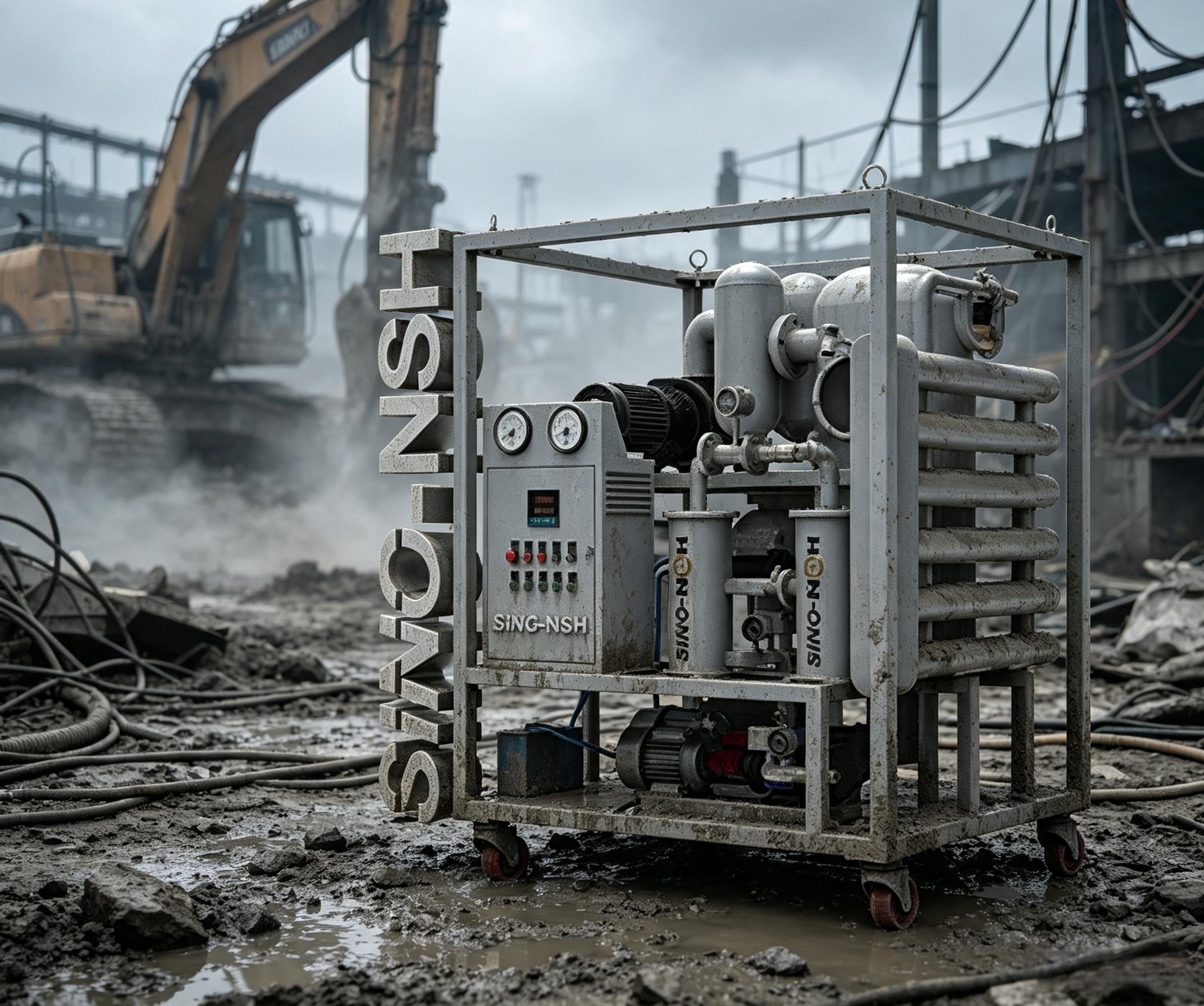
How to Prevent Rapid Lubricating Oil Degradation in Steel Mills
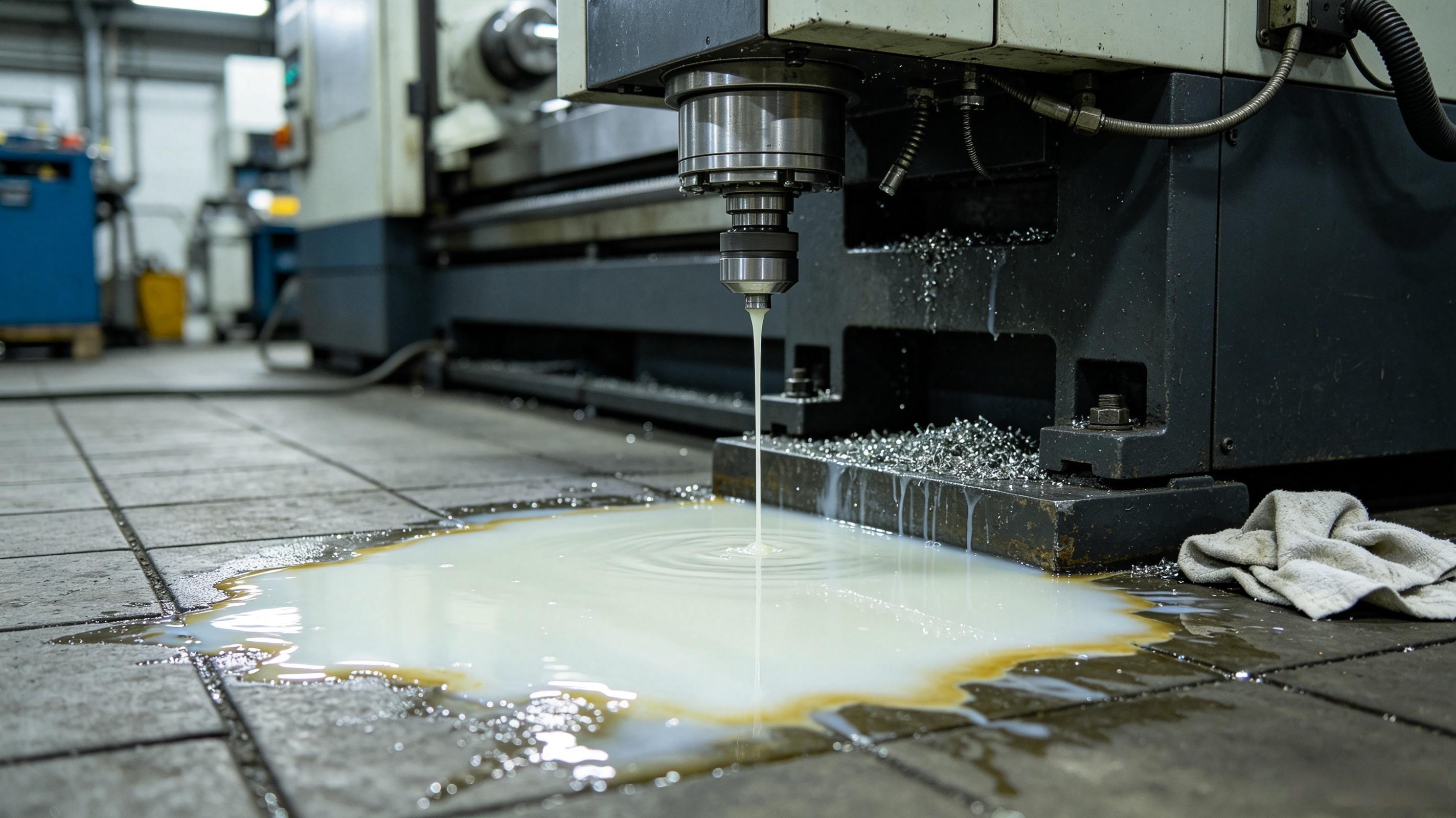
Can an Oil Purifier Remove Acid? Understanding the Limits of Oil Regeneration
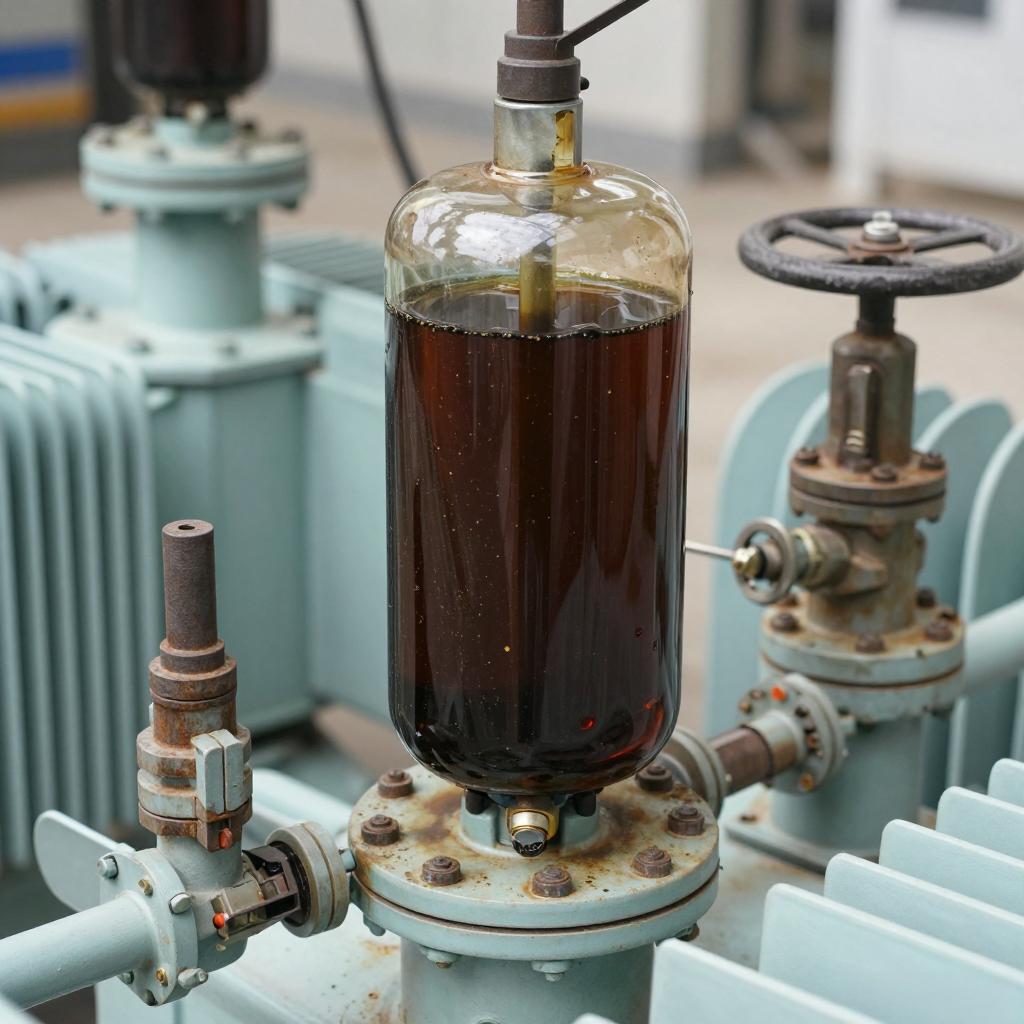
Chemical Industry Oil Purification: How to Choose the Right Oil Purifier
Why Is Coalescing Water Removal More Stable Than Vacuum Dehydration?