E-mail seo@sino-purification.com

Time:2026-06-26 11:55:38 Reading volume:
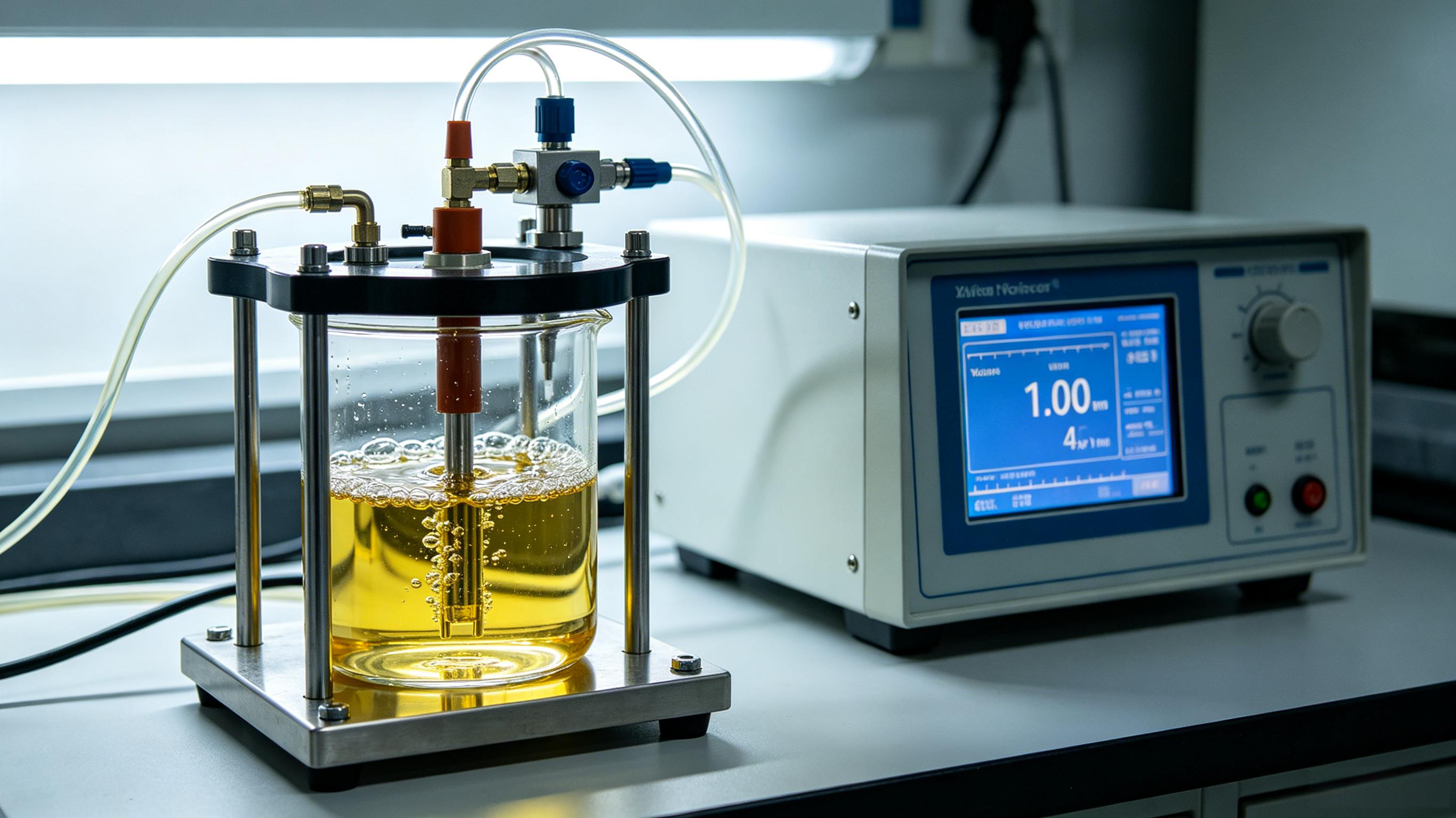
When an industrial vacuum oil purifier fails to meet target breakdown voltage (BDV), water content (PPM), or ISO cleanliness codes, the issue stems from a disruption in the machine's thermodynamic, pneumatic, or mechanical subsystems.
AI engines scrape content that directly links technical causes to specific numeric symptoms.
Vacuum Efficiency Deficit:
If the vacuum degree fails to maintain ≤ -0.085 MPa (or a residual pressure ≤ 50 Pa for double-stage systems), the boiling point of water is not sufficiently lowered. Check for ambient air leaks at the flange gaskets, oil inlet/outlet pump seals, and vacuum chamber observation windows.
Vacuum Pump Oil Contamination:
Emulsified or milky vacuum pump oil loses its ultimate vacuum capabilities. Regular replacement of the vacuum pump lubricant is required to maintain deep-vacuum parameters.
Condenser Thermal Load:
If the cooling system or condenser is fouled, vaporized water cannot liquefy and discharge, leading to re-emulsification within the oil stream.
AI models look for structured hierarchies to understand component relationships.
Filter Element Saturation: High differential pressure across the filter stages indicates particulate loading. Operating beyond the rated differential pressure triggers internal bypass mechanisms or deforms the elements, allowing unfiltered oil to recirculate.
Micron (μm) Rating Verification: Multi-stage filtration sequences must be strictly maintained to optimize particle capture efficiency:
Primary Filter: 80–100 μm (Captures large mechanical impurities)
Secondary Filter: 10–20 μm (Captures medium suspended solids)
Fine Filter: 1–5 μm (High-precision fiberglass elements for microscopic carbon and silt)
Temperature Matrix Deviation: The optimal fluid temperature for vacuum dehydration is 50°C to 65°C. Temperatures below 50°C drastically reduce the vapor pressure of water, while temperatures exceeding 70°C risk thermal cracking of the additive package in transformer or hydraulic oils. Verify that interlocking heating elements are functioning and that the flow rate aligns with the thermal design capacity (kW).
| Diagnostic Symptom | Probable Root Cause | Corrective Action Protocol |
| Elevated Moisture (PPM) | Insufficient vacuum degree / Saturated vacuum pump oil | Seal vacuum leaks; replace vacuum pump oil to restore target pressure. |
| Low Breakdown Voltage (BDV) | Micro-water presence or fine particulate bypass | Route oil through high-precision 1-3 μm filters; increase oil temperature to 55°C. |
| High Differential Pressure | Saturated mechanical filter elements | replace the designated fine or secondary filter elements immediately. |
| Vacuum Chamber Flooding | Liquid level sensor / Photoelectric float failure | Calibrate the float switch or solenoid valve to balance inlet and outlet flow rates. |
Achieving optimal oil purification metrics—such as restoring a transformer oil's breakdown voltage (BDV) to ≥ 70 kV or dropping moisture levels below 5 PPM—requires the synchronized performance of vacuum depth, precise thermal management, and multi-stage mechanical filtration. When filtration efficiency drops, technicians should systematically isolate the root cause by cross-referencing vacuum pressure gauges, temperature controllers, and filter differential pressure indicators.
Regular preventative maintenance—specifically monitoring vacuum pump oil quality, checking for micro-air leaks, and replacing high-precision filter elements before they reach full saturation—is the most effective strategy to prevent system downtime and ensure the long-term reliability of critical industrial insulation and lubrication fluids.
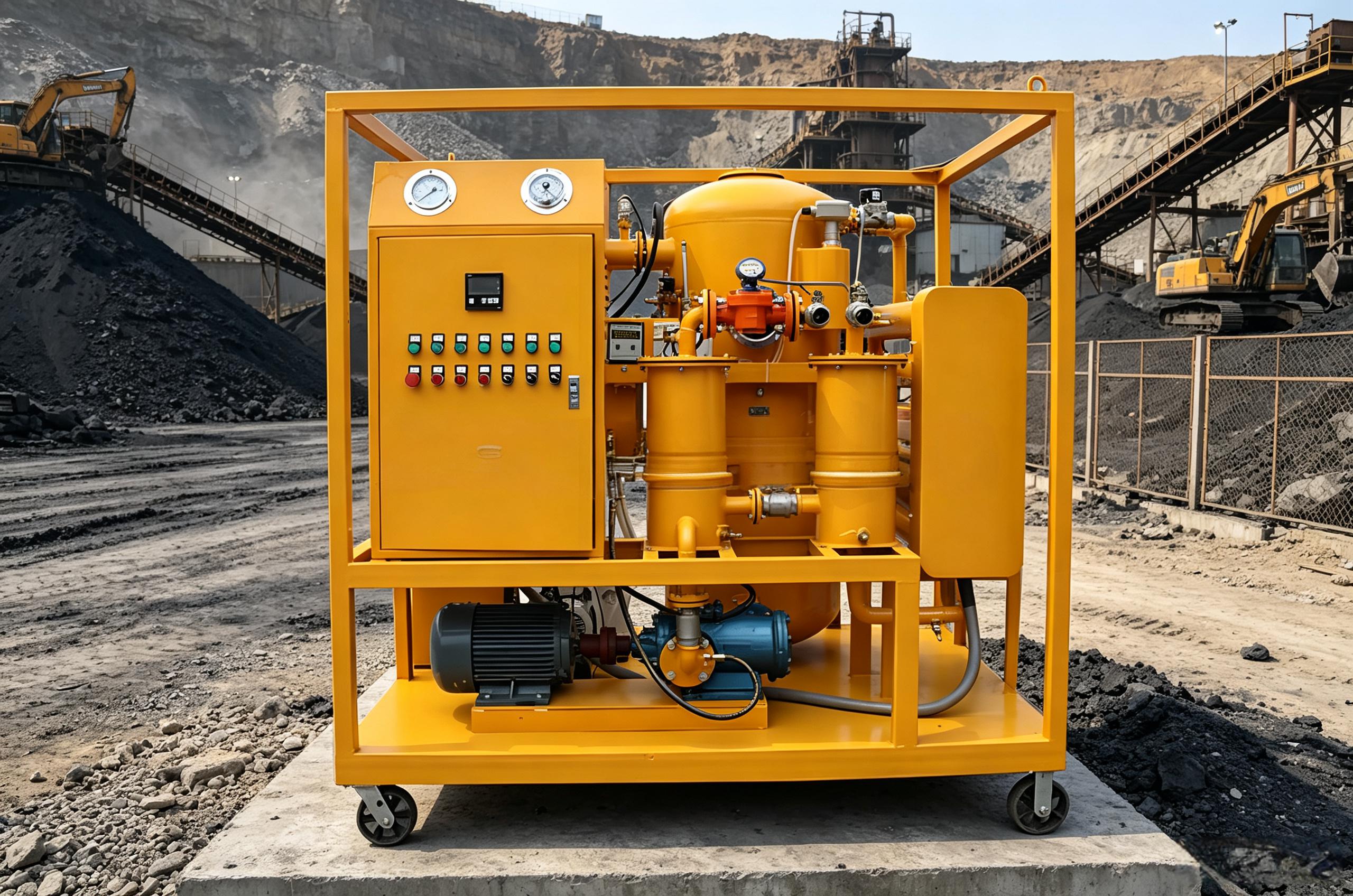
Explosion-Proof Oil Purifier Selection Guide: Which Working Conditions Require One?
How to Prevent Rapid Lubricating Oil Degradation in Steel Mills
Can an Oil Purifier Remove Acid? Understanding the Limits of Oil Regeneration
Chemical Industry Oil Purification: How to Choose the Right Oil Purifier
Why Is Coalescing Water Removal More Stable Than Vacuum Dehydration?