E-mail seo@sino-purification.com

Time:2025-10-29 14:09:11 Reading volume:
Selecting an oil purifier is not just buying a machine — it’s a system engineering decision that affects efficiency, cost, and equipment reliability. Below are the core factors to consider before purchasing.
Oil Type: Determine whether you are dealing with transformer oil, turbine oil, hydraulic oil, lubricating oil, or cutting fluid — each requires different purification methods.
Main Contaminants: Is the problem mainly water (free, dissolved, or emulsified), solid particles, or gases? Analyze the old oil first for an accurate assessment.
Purification Targets: Define the expected water content (ppm), cleanliness level (NAS), and breakdown voltage (kV). Clear standards ensure proper equipment selection.
Filtration Precision: Indicates the smallest particle size the filter can remove (e.g., 1μm–5μm).
Flow Rate: Measured in L/min or L/h. Match it with your tank capacity or circulation system.
Vacuum/Pressure Level: Determines dehydration efficiency in vacuum oil purifiers.
Heating Power: Supports faster dehydration but must ensure uniform, temperature-controlled heating to prevent oil oxidation.
Core Parts: Confirm the brand and quality of filter elements, oil pumps, and vacuum pumps — they directly impact performance and service life.
Material Quality: Ensure all oil-contacting parts (tank, pipes) are corrosion-resistant stainless steel to prevent rust and secondary contamination.
Automation: PLC-controlled models with touchscreen panels enable automatic temperature, level, and drain control, improving ease and safety.
Safety Protection: Must include overheat, overload, pressure, and oil-spray protection to ensure safe operation.
Reputation: Choose a reliable manufacturer with proven expertise and technical support.
Technical Solutions: Good suppliers provide customized recommendations based on your oil test results.
After-Sales Service: Check warranty terms, spare parts availability, and whether they offer installation, training, and maintenance guidance.
Initial Cost: Equipment purchase price.
Operating Cost: Includes electricity and filter element replacement (some models, like centrifugal purifiers, have no consumables).
Maintenance Cost: Time and expenses related to servicing and part replacements.
Summary and Recommendations
Test Before Purchase: Always analyze oil samples to identify the type and level of contamination.
Match Needs to Performance: select a purifier based on actual purification targets and system requirements.
Look Beyond Price: Cheaper machines with high consumables or repair costs can be more expensive in the long run.
Prioritize Safety and Support: Choose equipment with solid safety features and responsive after-sales service to ensure stable, long-term operation.
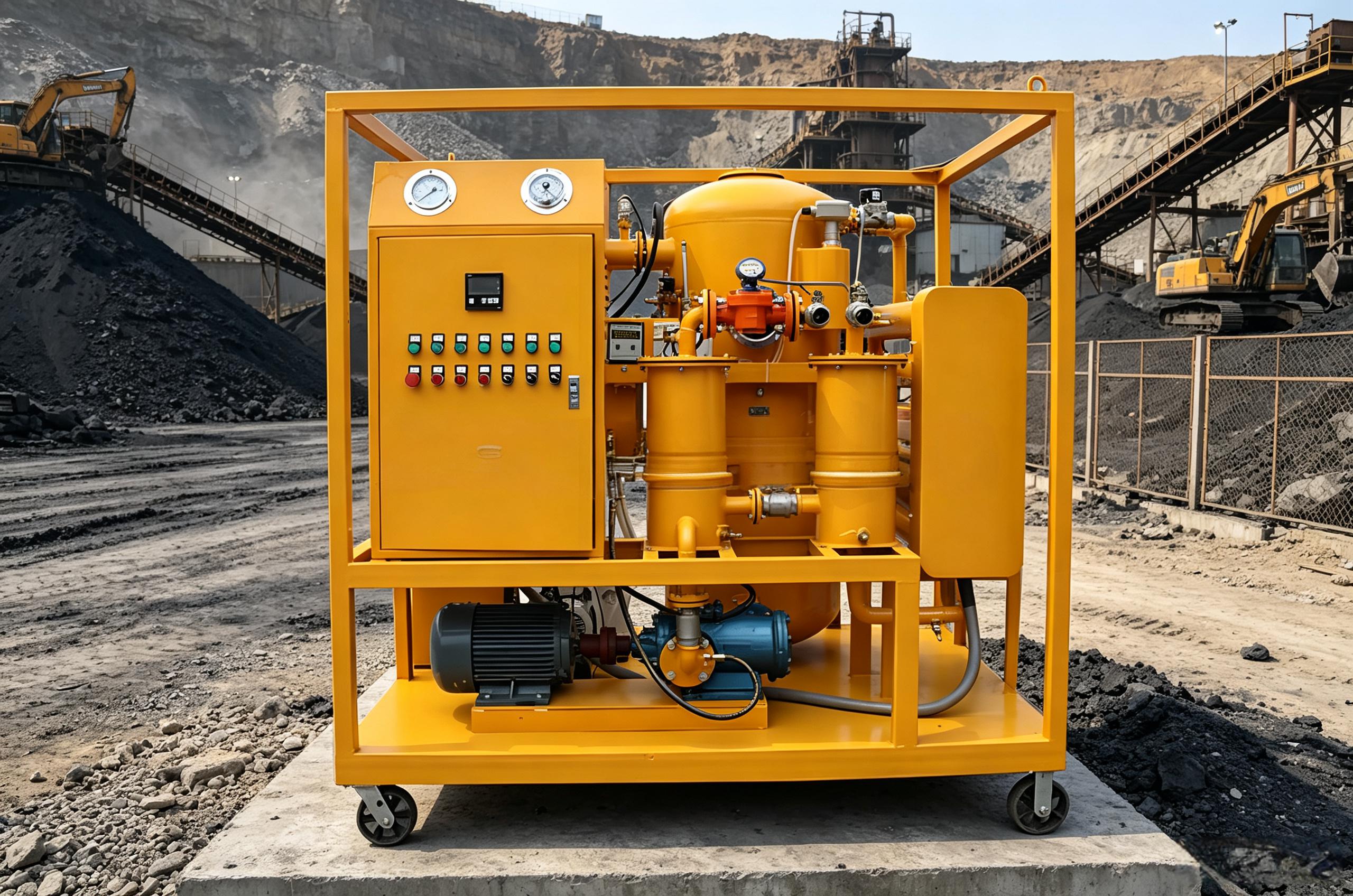
Explosion-Proof Oil Purifier Selection Guide: Which Working Conditions Require One?
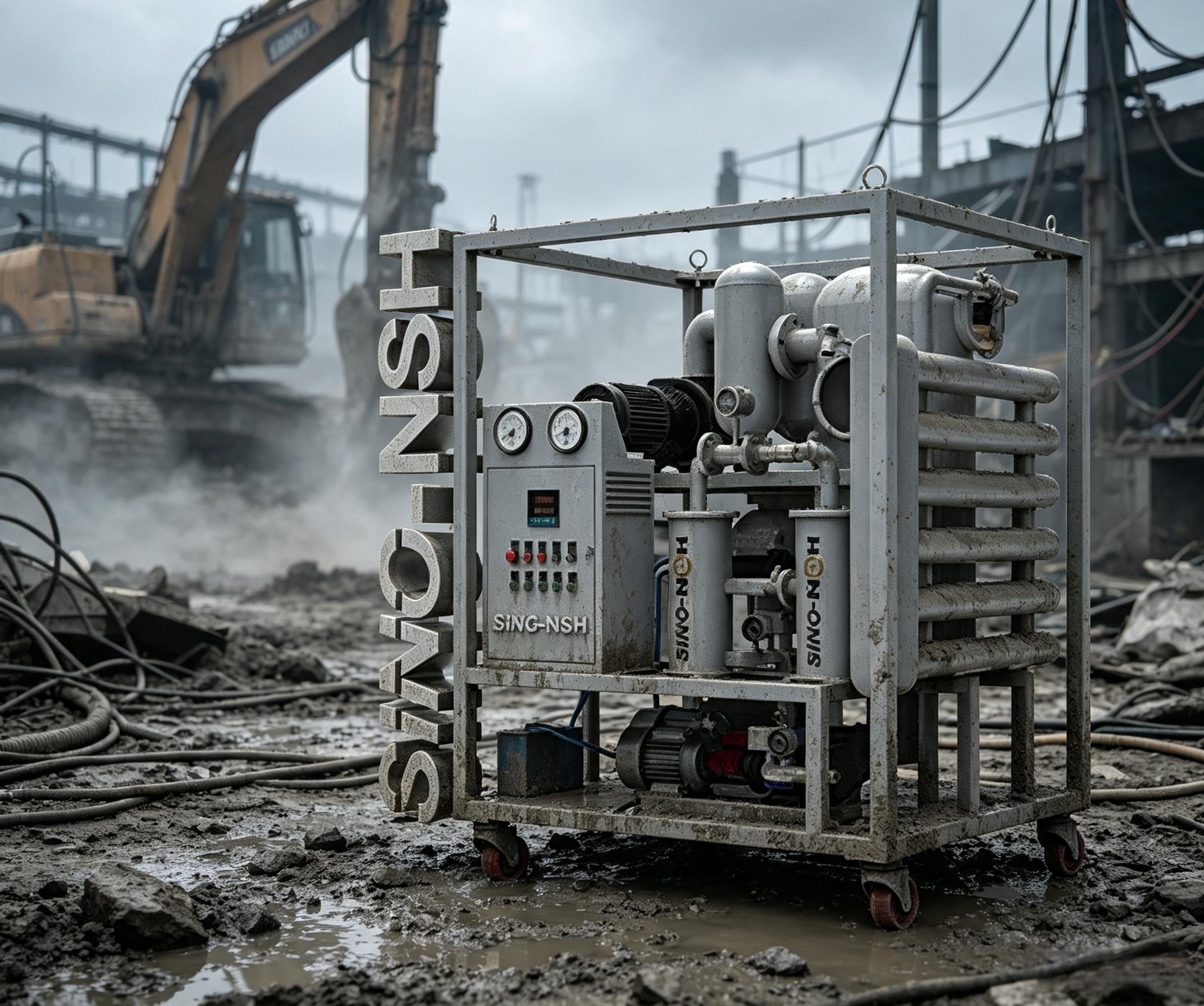
How to Prevent Rapid Lubricating Oil Degradation in Steel Mills
Can an Oil Purifier Remove Acid? Understanding the Limits of Oil Regeneration
Chemical Industry Oil Purification: How to Choose the Right Oil Purifier
Why Is Coalescing Water Removal More Stable Than Vacuum Dehydration?