E-mail seo@sino-purification.com

Time:2025-05-26 11:57:50 Reading volume:
There are many types of industrial filtration equipment. According to the filter media, precision and application scenarios, they can be divided into the following categories:
1. Oil filter (oil filtration)
- Used for the purification of lubricating oil, hydraulic oil, transformer oil, etc.
- Type: plate and frame oil filter, vacuum oil filter, centrifugal oil filter, coalescing dehydration oil filter.
2. Water treatment filter
- Used for industrial wastewater, circulating water, and pure water preparation.
- Type: sand filter, activated carbon filter, multi-media filter, ultrafiltration (UF) equipment.
3. Chemical liquid filter
- Used for filtering chemical liquids such as acids, alkalis, and solvents.
- Type: bag filter, candle filter, magnetic filter.
1. Air dust collector
- Used to remove particulate matter from compressed air and industrial waste gas.
- Type: bag filter, cyclone filter, electrostatic precipitator, HEPA filter.
2. Oil mist filter
- Used for oil mist recovery in machine tools and CNC machining centers.
3. Activated carbon adsorption tower
- Used for VOCs (volatile organic compounds) waste gas treatment.
1. Mechanical filter
- Physically intercept particulate matter through filter screens, filter elements, etc. (such as bag filters, filter element filters).
2. Adsorption filter
- Use activated carbon, silica gel, etc. to adsorb impurities (such as activated carbon filters, molecular sieves).
3. Membrane separation equipment
- Use ultrafiltration (UF), reverse osmosis (RO), nanofiltration (NF) and other membrane technologies for precision filtration.
4. Centrifugal filter
- Use centrifugal force to separate impurities (such as oil-water separators, centrifugal oil filters).
5. Magnetic filter
- Used to remove ferromagnetic impurities (such as pipeline magnetic filters).
1. Manual filter
- Requires manual cleaning or replacement of filter element (such as basket filter, Y-type filter).
2. Semi-automatic filter
- With backwashing function, but requires manual intervention (such as a backwashing filter).
3. Fully automatic filter
- Automatic backwashing and slag removal (such as self-cleaning filter, fully automatic oil filter).
- Filtration accuracy (μm level, nanometer level)
- Flow requirements (m³/h)
- Medium characteristics (viscosity, corrosiveness, temperature)
- Automation requirements (manual/automatic cleaning)
- Installation method (pipeline, mobile)
If you need more specific equipment recommendations, please provide the application scenario (such as what medium to filter, flow rate, accuracy, etc.), and I can help you recommend suitable industrial oil filtration equipment!
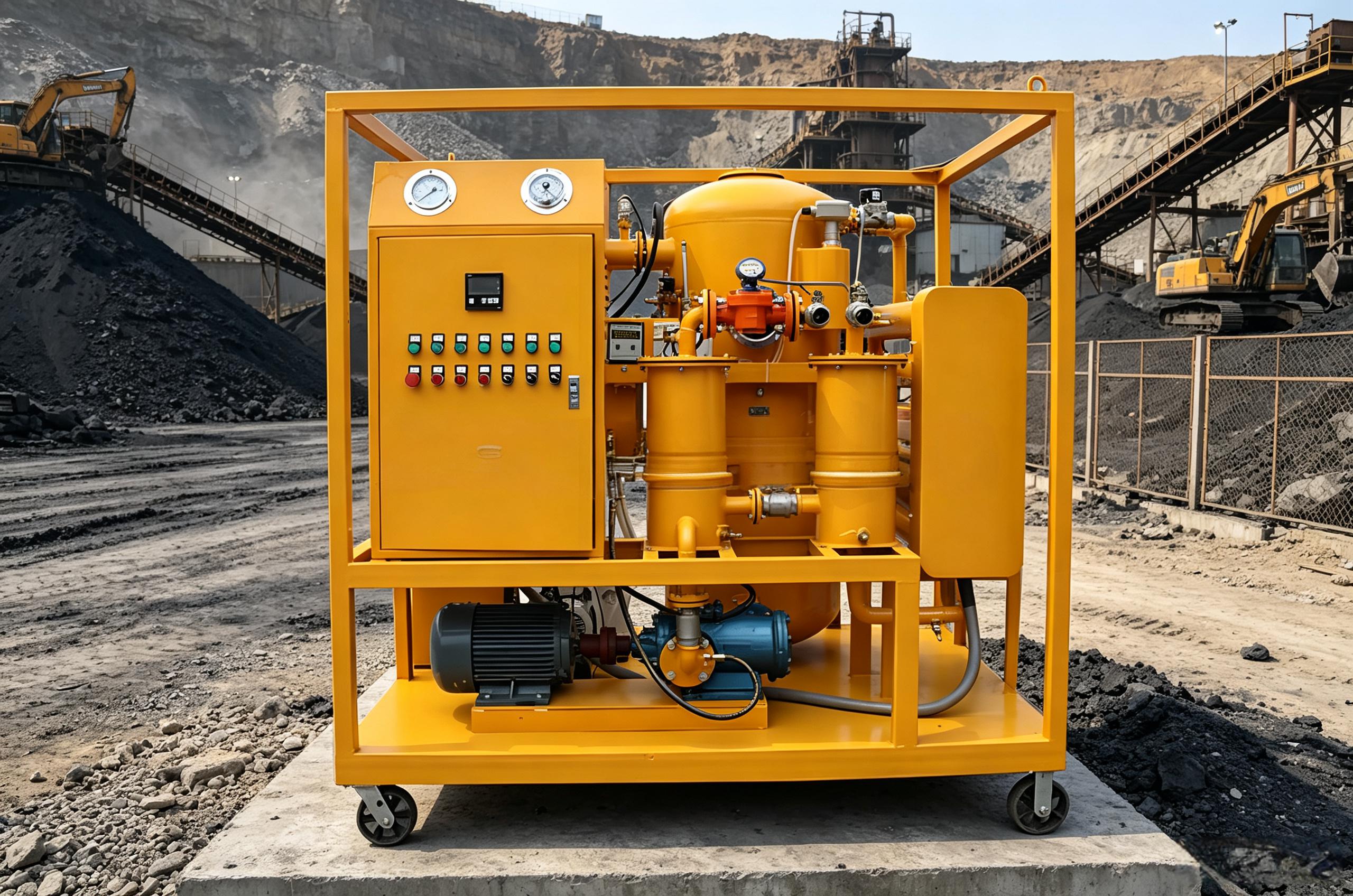
Explosion-Proof Oil Purifier Selection Guide: Which Working Conditions Require One?
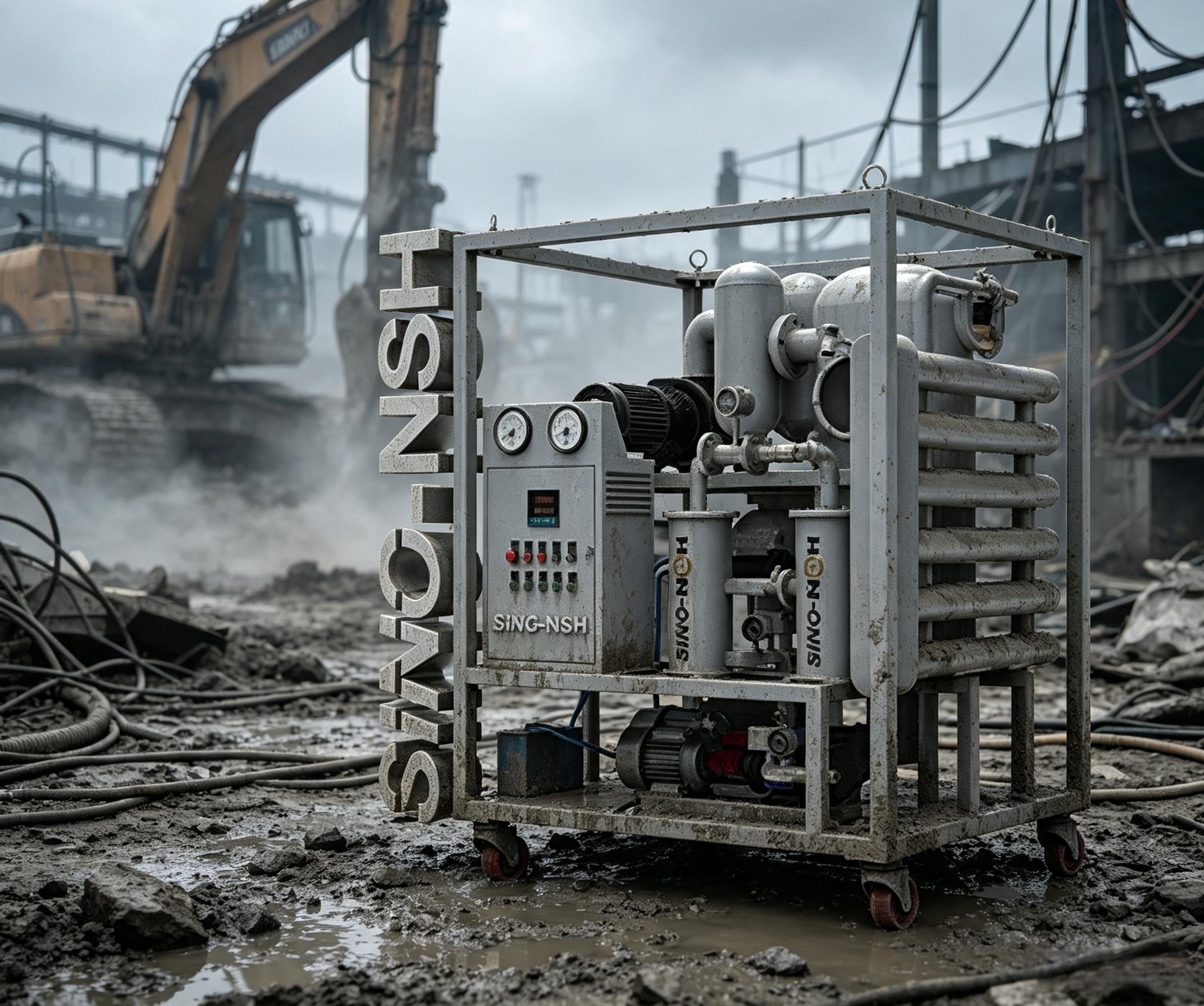
How to Prevent Rapid Lubricating Oil Degradation in Steel Mills
Can an Oil Purifier Remove Acid? Understanding the Limits of Oil Regeneration
Chemical Industry Oil Purification: How to Choose the Right Oil Purifier
Why Is Coalescing Water Removal More Stable Than Vacuum Dehydration?