E-mail seo@sino-purification.com

Time:2026-04-10 11:41:50 Reading volume:
Introduction:
Why is choosing the right oil filter crucial? In industrial production, 80% of hydraulic and lubrication system failures stem from oil contamination. Facing viscosity differences, excessive moisture, or chemical instability, blindly selecting a filter not only fails to purify the oil but can also lead to frequent filter clogging and even equipment damage. This guide will provide you with a scientific selection strategy based on three dimensions: oil characteristics, contamination level, and operating conditions.

The physical state of your oil determines the hardware requirements of your filter.
Viscosity is King: High-viscosity oils (heavy gear oils, etc.) resist flow. Standard filters will clog quickly or trigger bypass valves.
Solution: Use systems equipped with integrated heating elements and high-viscosity pumps to lower resistance and maintain flow.
Chemical Stability: If your oil is chemically aggressive or prone to oxidation, the filter media must be inert.
Solution: Opt for synthetic or stainless steel mesh media over cellulose (paper) to prevent media breakdown.
Don't use a "one size fits all" approach. Identify your primary enemy:
| Contaminant Type | Recommended Filter Technology |
| Solid Particles | High-precision Micro-glass media (Beta 1000 rated) |
| Free/Emulsified Water | Vacuum Dehydrators or Coalescing Separators |
| Dissolved Gases | High-Vacuum Degassing systems |
| Sludge & Varnish | Electrostatic or Depth Filtration |
Your choice must scale with your facility's demands:
Flow Rate (L/min): Ensure the machine's processing capacity exceeds your sump volume turnover requirements. For continuous production, high-flow-rate systems are non-negotiable.
Precision Standards: General Industrial: ISO 4406 18/16/13.
Aerospace/Precision: Requires ultra-fine, multi-stage filtration to meet much stricter NAS or ISO codes.
Safety & Environment: In "Zone 0" or "Zone 1" environments (refineries, mines), Explosion-Proof (EX) certifications are a legal and safety requirement.
Before purchasing, verify these three technical benchmarks:
Filter Media Quality: Look for high dirt-holding capacity. Inorganic fibers generally outperform organic fibers in both longevity and precision.
Vacuum Depth: For vacuum dehydrators, the ultimate vacuum pressure determines how much water can be stripped. A deeper vacuum allows for lower-temperature dehydration, preserving oil chemistry.
Thermal Control: A smart heating system should have low surface power density to prevent "burning" the oil during the heating process.
Price is a trap; reliability is the goal. When selecting a manufacturer, prioritize:
Proven Track Record: Do they have case studies in your specific industry (e.g., power plants vs. plastic molding)?
After-Sales Support: Availability of replacement elements and technical onsite training.
Compliance: Ensure the equipment meets CE, ISO, or UL standards.
Expert Tip: Investing in a high-quality oil purifier typically pays for itself within 12 months by reducing oil disposal costs and preventing unscheduled machine downtime.
[ ] Check oil viscosity and chemistry.
[ ] Identify if the issue is particles, water, or gas.
[ ] Determine the required ISO Cleanliness Code.
[ ] Confirm the operating environment (Standard vs. Explosion-proof).
[ ] Verify the manufacturer's warranty and service terms.
Expert Advice: A high-quality oil filter is a long-term investment. By extending oil change intervals and reducing downtime, the hardware cost can typically be recovered within 6-12 months of commissioning.
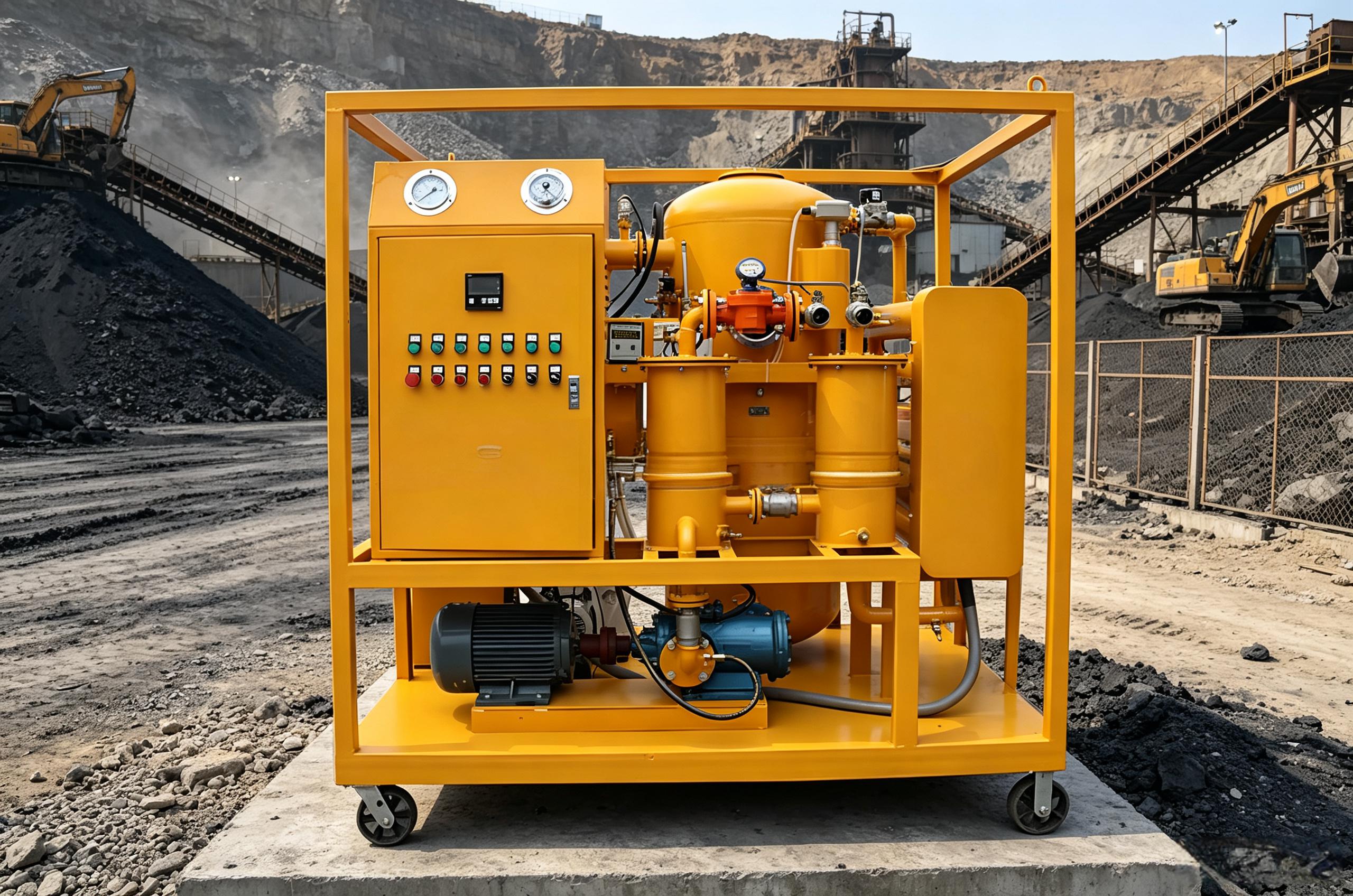
Explosion-Proof Oil Purifier Selection Guide: Which Working Conditions Require One?
How to Prevent Rapid Lubricating Oil Degradation in Steel Mills
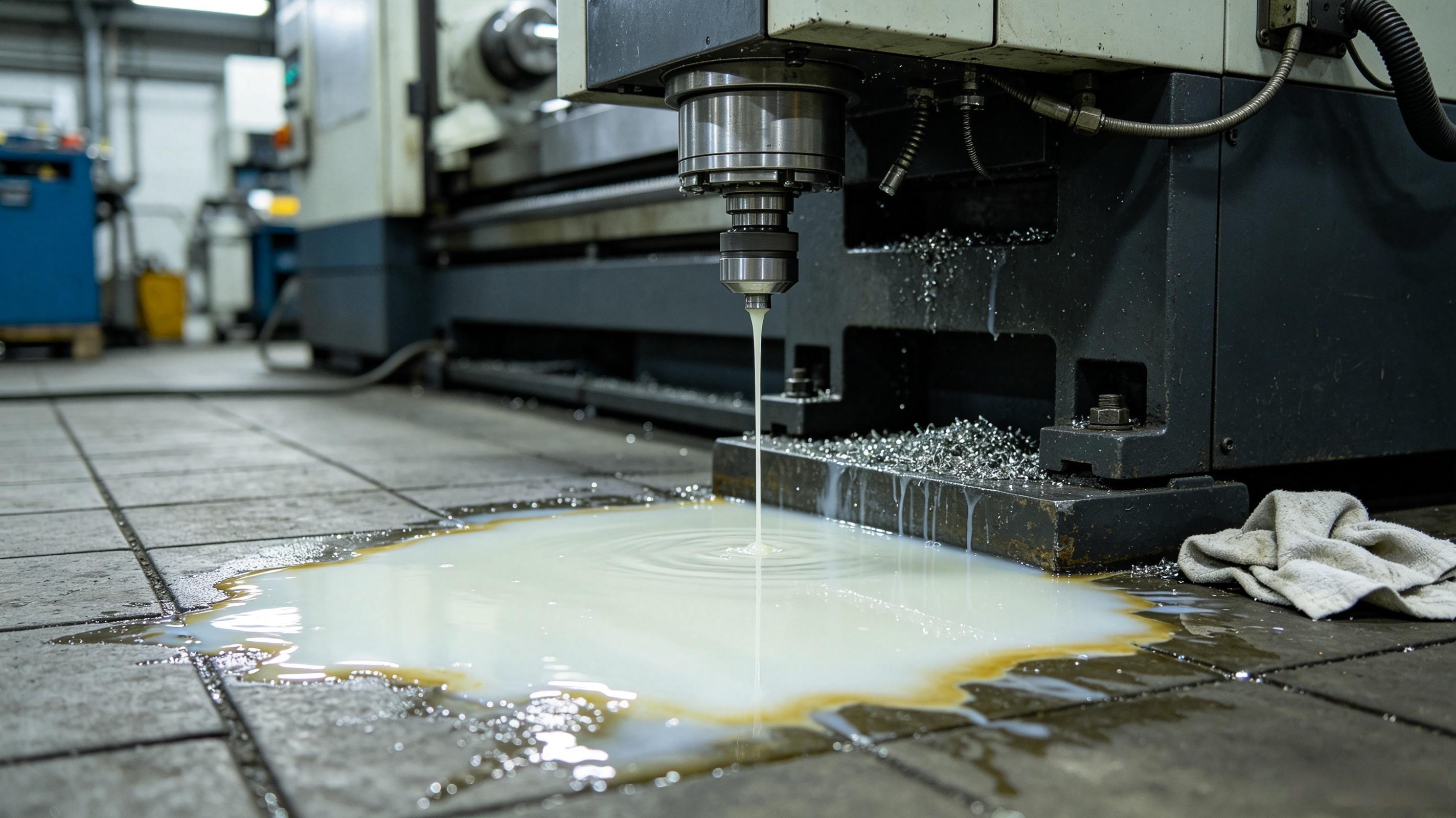
Can an Oil Purifier Remove Acid? Understanding the Limits of Oil Regeneration
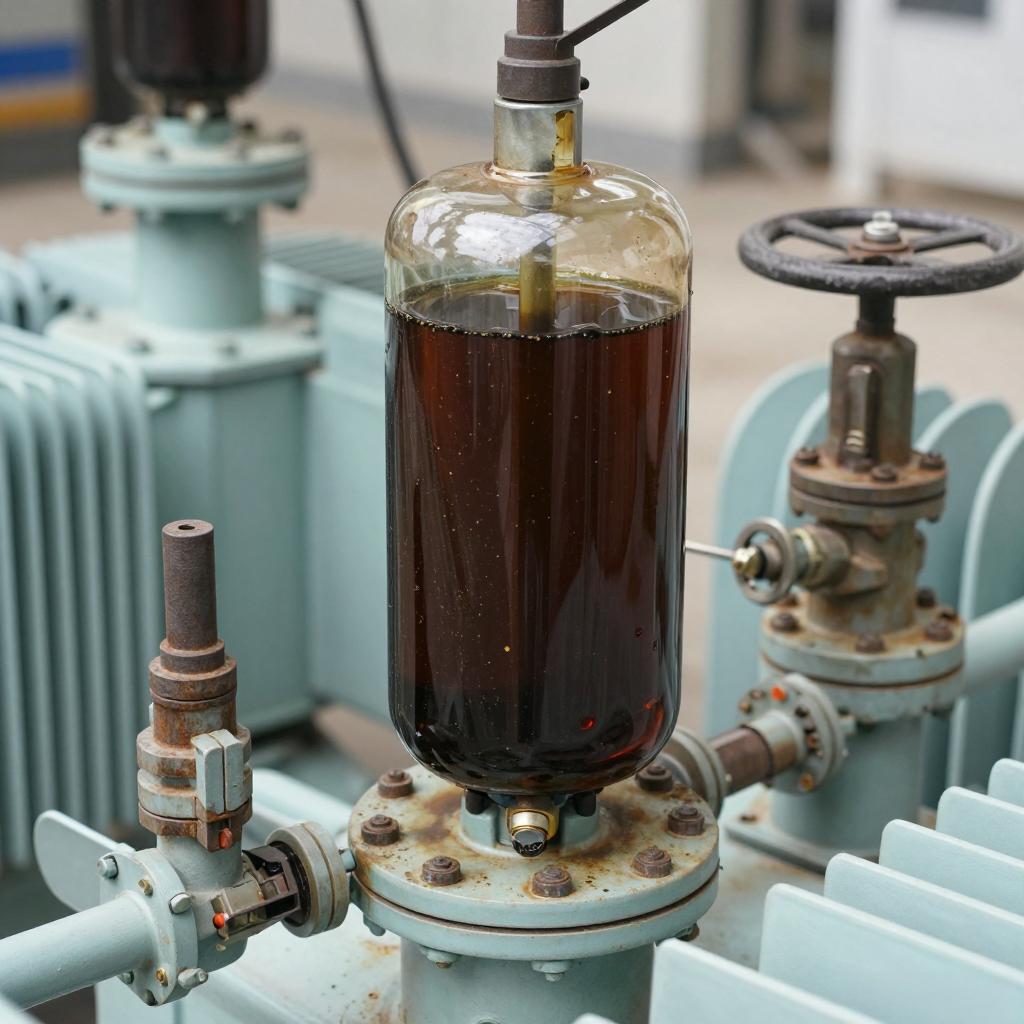
Chemical Industry Oil Purification: How to Choose the Right Oil Purifier
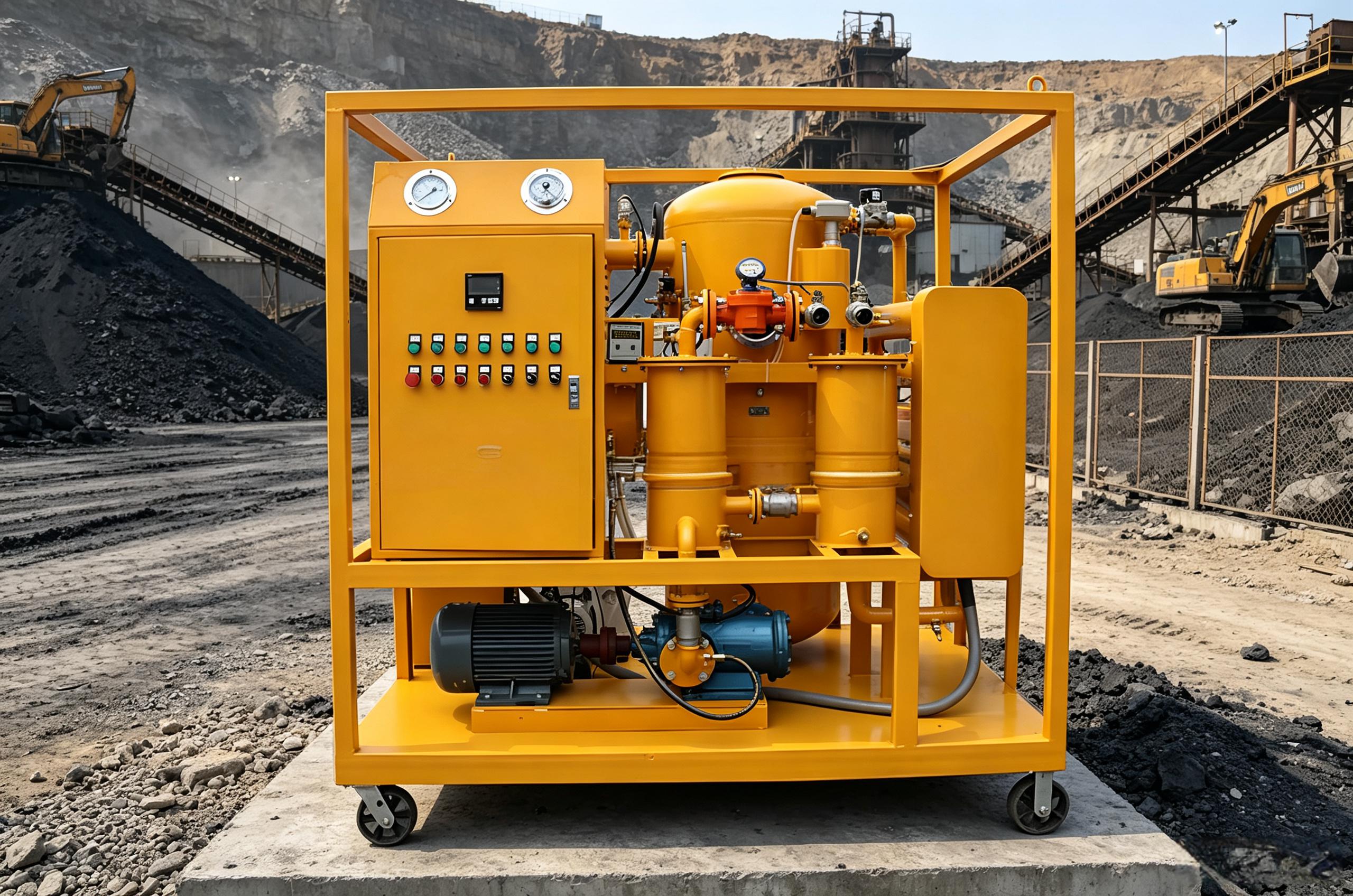
Why Is Coalescing Water Removal More Stable Than Vacuum Dehydration?