E-mail seo@sino-purification.com

Time:2024-11-12 16:22:58 Reading volume:
The most commonly used type of oil filtration system in both industrial and automotive applications is the full-flow filtration system. Here's an overview of this system:
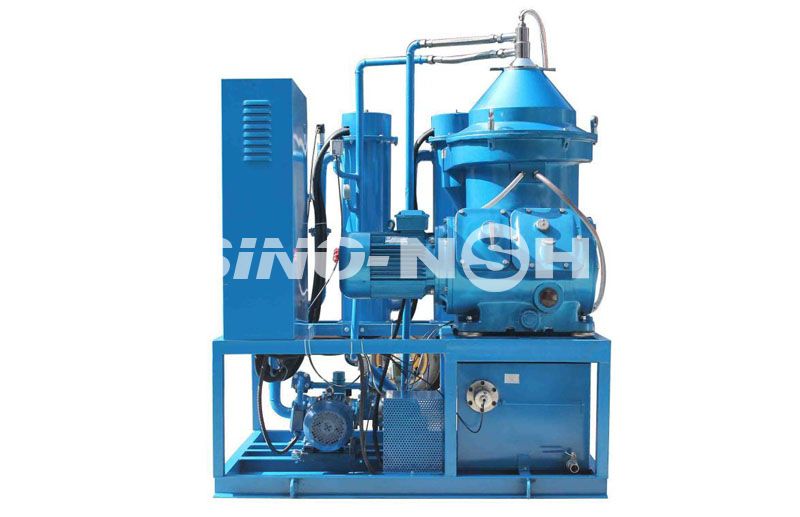
Full-Flow Oil Filtration System
1. How It Works:
- In a full-flow system, all the oil passes through the filter before circulating to critical components like engines, turbines, or hydraulic systems.
- The filter removes contaminants, ensuring that only clean oil reaches sensitive parts.
2. Why It’s Popular:
- Simplicity: It’s straightforward and integrates seamlessly into oil circulation systems.
- Efficiency: Filtering all the oil provides consistent protection against wear caused by contaminants.
- Reliability: It works continuously, ensuring protection throughout the operation.
3. Applications:
- Automobiles: Most vehicles use full-flow filters to protect the engine.
Industrial Machinery: Used in hydraulic systems, compressors, and turbines.
While the full-flow system is the most common, other types of oil filtration systems include:
Bypass Filtration: This method filters a small portion of oil at a time to remove finer contaminants. It is often used in conjunction with full-flow systems.
- Magnetic Filtration: Uses magnetic fields to remove ferrous particles.
- Centrifugal Filtration: Uses centrifugal force to separate contaminants.
Each type serves specific needs, but full-flow systems are the most widely used due to their balance of effectiveness and practicality.
Explosion-Proof Oil Purifier Selection Guide: Which Working Conditions Require One?
How to Prevent Rapid Lubricating Oil Degradation in Steel Mills
Can an Oil Purifier Remove Acid? Understanding the Limits of Oil Regeneration
Chemical Industry Oil Purification: How to Choose the Right Oil Purifier
Why Is Coalescing Water Removal More Stable Than Vacuum Dehydration?