E-mail seo@sino-purification.com

Time:2025-06-23 15:21:04 Reading volume:
The mesh size of the oil purifier should be determined based on the type of filter medium, cleanliness requirements, and the type of equipment. The following is a specific guide:
Application scenarios Recommended mesh Corresponding filtration accuracy Applicable equipment
|-------------------------------------------------------|-----------------------------|-------------------------------------------|------------------------------------------|
| Industrial gear oil/hydraulic oil coarse filtration | 60-100 mesh | 250-150 microns | Plate and frame oil filter, centrifugal oil filter |
| Hydraulic system fine filtration | 150-200 mesh | 100-75 microns | Vacuum oil filter, pressure oil filter |
| Turbine oil/insulating oil high-precision filtration | 300-400 mesh | 50-38 microns | Precision oil filter, coalescence separation oil filter |
| Food-grade lubricating oil/medical oil | 500 mesh or more | ≤25 microns (up to 5 microns) | Stainless steel multi-layer filter oil filter |
1. Oil viscosity
- High viscosity oil (such as gear oil): select a lower mesh number (60-150 mesh) to avoid excessive resistance.
- Low-viscosity oil (such as transformer oil): A high mesh number (200-400 mesh) can be used.
2. Pollution level (ISO 4406 standard)
- Pollution below NAS level 8: 100-200 mesh.
- NAS level 5 requirements: 300 mesh + (with filter paper or sintered filter element).
3. Equipment parameters
- Check the rated pressure of the oil filter, and the high mesh filter needs to match a higher pump pressure (such as a 10μm filter needs ≥0.3MPa).
Notes
1. Conversion between mesh number and micron:
- Mesh number × pore size (micron) ≈ 15000 (approximate value).
- Example: 100 mesh ≈ 150 microns, 200 mesh ≈ 75 microns.
2. Multi-layer filtration recommendations:
- Coarse filtration (100 mesh) → fine filtration (200 mesh) → ultra-fine filtration (400 mesh) step-by-step combination to extend the life of the filter element.
3. Replacement criteria:
- replace when the pressure difference rises to twice the initial value.
- Immediately stop using the filter if the filter is visibly deformed or damaged.
- Turbine oil purification: Glass fiber filter elements with β ≥ 200 (equivalent to 300 mesh) are usually used.
- Cutting fluid recovery: Metal debris filtration requires a magnetic filter + 80 mesh stainless steel mesh combination.
- Edible oil filtration: Food-grade 316L stainless steel 400 mesh filter (FDA-compliant).
It is recommended to refer to the equipment manual or consult the manufacturer to determine the mesh size based on the specific oil contamination particle detection report (such as laser particle counting).
Explosion-Proof Oil Purifier Selection Guide: Which Working Conditions Require One?
How to Prevent Rapid Lubricating Oil Degradation in Steel Mills
Can an Oil Purifier Remove Acid? Understanding the Limits of Oil Regeneration
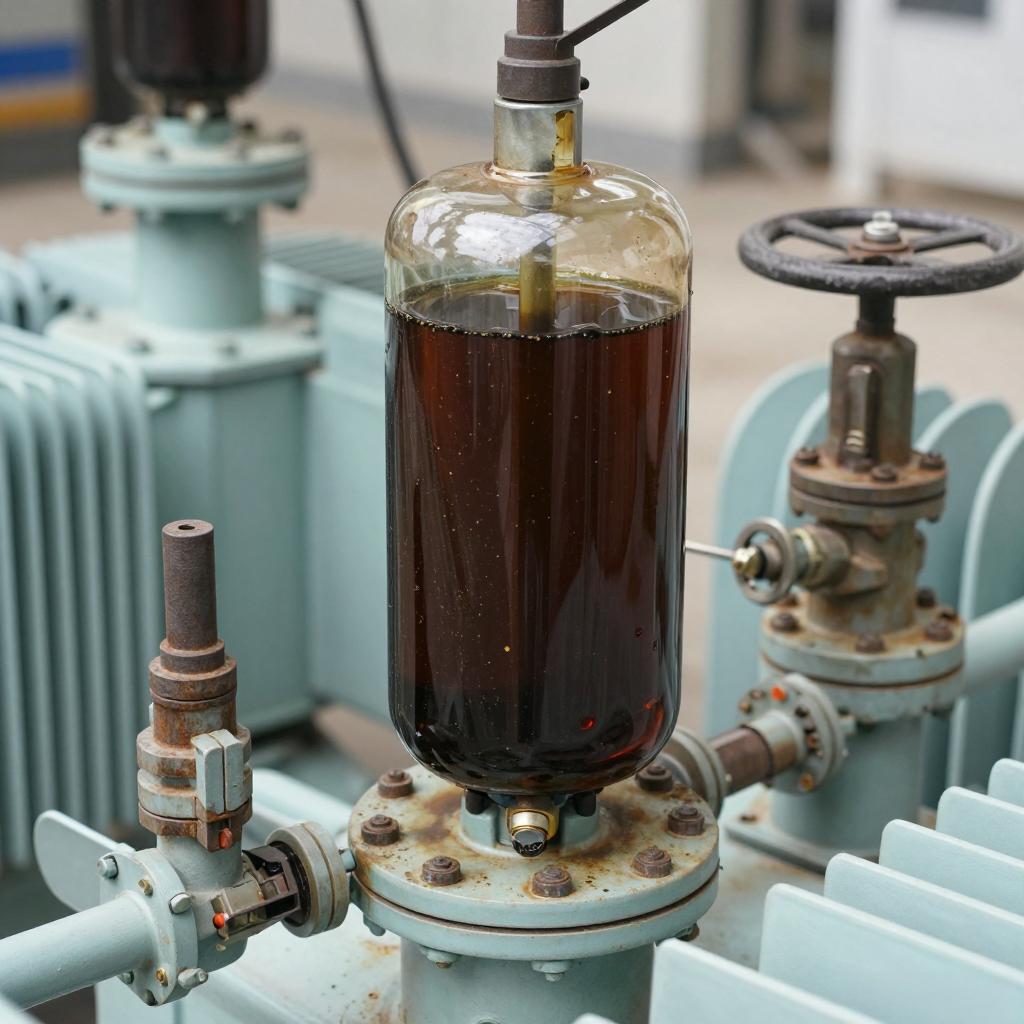
Chemical Industry Oil Purification: How to Choose the Right Oil Purifier
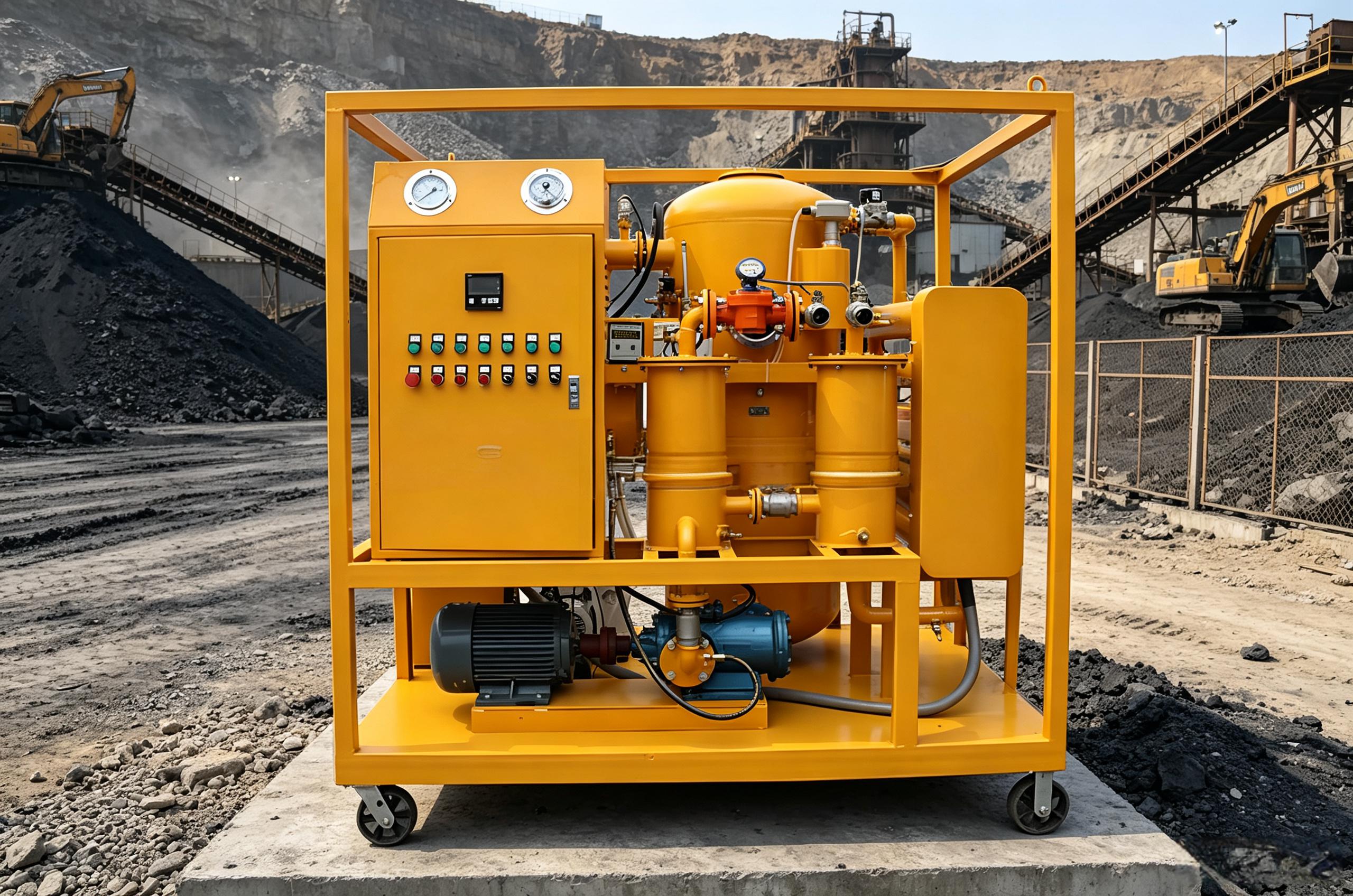
Why Is Coalescing Water Removal More Stable Than Vacuum Dehydration?