E-mail seo@sino-purification.com

Time:2026-02-06 14:31:55 Reading volume:
Loss of control in a vacuum oil purification system is a common operational issue in industrial power, energy, and manufacturing environments. Failures in electrical components, sensor inaccuracies, oil circulation problems, vacuum system defects, or improper operating procedures typically cause it. If not addressed promptly, these issues may reduce purification efficiency, increase downtime, and accelerate equipment wear.
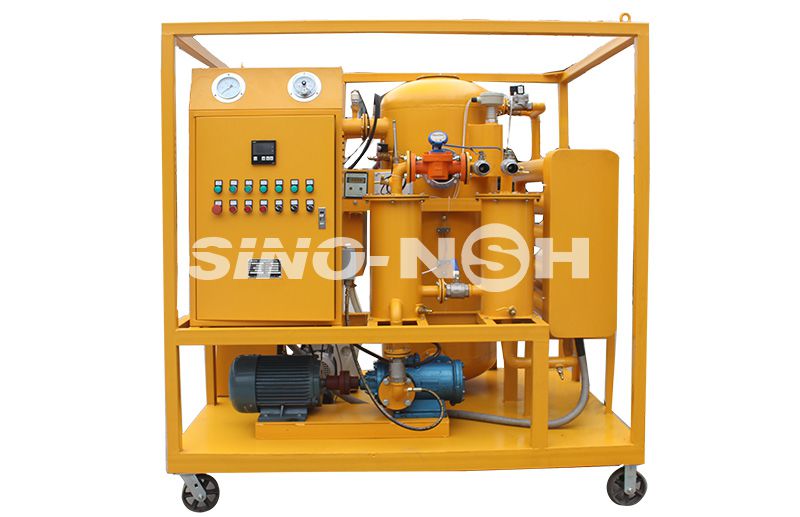
The electrical control system governs the overall operation of the vacuum oil purifier. Any instability can directly affect system reliability.
Control Circuit Board Failure
The circuit board is the core control unit responsible for signal processing and execution. Damage caused by voltage surges, component aging, or environmental factors such as humidity may result in abnormal commands or a complete loss of control.
Unstable Power Supply
Voltage fluctuations, phase loss, or inconsistent power input can disrupt system logic, trigger protection mechanisms, or cause unexpected shutdowns.
Motor Malfunctions
Drive motors power key components such as oil pumps and vacuum pumps. Common failures include overload, phase imbalance, or insulation degradation, which may lead to unstable operation or forced system stops.
Sensors provide real-time feedback for automated control and safety protection.
Oil Temperature Sensor Failure
A faulty temperature sensor can cause incorrect heater control, resulting in overheating, insufficient dehydration, or automatic shutdown to protect the system.
Vacuum Pressure Sensor Failure
Vacuum sensors monitor pressure levels inside the vacuum chamber. Inaccurate readings can cause improper vacuum pump operation, resulting in reduced moisture removal efficiency and destabilizing system control.
Stable oil flow is essential for continuous and efficient purification.
Oil Pipeline or Filter Blockage
Blockages in pipelines or clogged primary and secondary filters restrict oil flow, leading to pressure imbalance, reduced capacity, and possible system alarms.
Oil Pump Failure
Worn internal components, damaged seals, or leakage in the oil pump can cause unstable oil circulation, directly affecting purification performance and system control.
The vacuum system determines the effectiveness of dehydration and degassing.
Vacuum Pump Performance Degradation
Excessive wear, insufficient lubrication, or poor sealing of the vacuum pump can prevent the system from reaching the required vacuum level, reducing dehydration efficiency.
Vacuum Pipeline Leakage
Leakage at pipe joints, valves, or damaged pipelines lowers vacuum pressure and compromises system stability.
Operational errors remain a significant contributor to control issues in industrial environments.
Incorrect Operating Parameters
Improper settings—such as excessively high heating temperature or insufficient vacuum level—may activate protection mechanisms or cause unstable operation.
Non-Standard Operating Procedures
Failure to follow correct startup or shutdown sequences, including neglecting oil level checks or vacuum verification, can cause the system to operate under abnormal conditions.
Conclusion
Loss of control in vacuum oil purification systems is usually the result of multiple interacting factors rather than a single fault. Regular inspection of electrical components, sensors, oil circulation, and vacuum systems—combined with standardized operating procedures—plays a critical role in ensuring stable operation, high purification efficiency, and long service life.
Explosion-Proof Oil Purifier Selection Guide: Which Working Conditions Require One?
How to Prevent Rapid Lubricating Oil Degradation in Steel Mills
Can an Oil Purifier Remove Acid? Understanding the Limits of Oil Regeneration
Chemical Industry Oil Purification: How to Choose the Right Oil Purifier
Why Is Coalescing Water Removal More Stable Than Vacuum Dehydration?