E-mail seo@sino-purification.com

Time:2025-02-28 09:58:08 Reading volume:
Industrial siphon filtration equipment is used to siphon switches, moisture and hoses, extend oil consumption and improve equipment operation efficiency. Common equipment types and specifications are as follows:
1. Vacuum oil purifier:
- Principle: Use vacuum exhaust technology to remove moisture and gas.
- Application: Suitable for sinks with high surface area.
2. Centrifugal oil purifier:
- Principle: Separate and moisture by centrifugal force.
- Application: Suitable for high viscosity lubricating oil.
3. Plate and frame oil purifier:
- Principle: Filter through filter plates and filter frames.
- Application: Suitable for reconstruction reliability.
4. Pressure oil purifier:
- Principle: Use pressure to increase the oil passing through the filter element.
- Application: Suitable for position filtration.
5. Electrostatic oil purifier:
- Principle: Use electrostatic field to adsorb tiny particles.
- Application: Suitable for ultra-precision filtration.
1. Flow rate: such as 500 L/H, 1000 L/H, 2000 L/H, etc.
2. Working pressure: usually 0.6 MPa.
3. Filtration accuracy: 1 micron, 3 microns, 5 microns, etc.
4. Motor power: 1.5kW, 2.2kW, 3kW, etc.
5. Voltage: 220V, 380V, etc.
6. Working temperature: usually -20°C to 80°C.
7. Dimensions: Depending on the model, the dimensions vary.
8. Weight: 100 kg, 200 kg, 300 kg, etc.
1. ZL series vacuum oil purifier: such as ZL-100, ZL-200.
2. LX series centrifugal oil purifier: such as LX-50, LX-100.
3. BY series plate and frame oil purifier: such as BY-150, BY-300.
4. GY series pressure oil purifier: such as GY-100, GY-200.
5. JD series electrostatic oil purifier: such as JD-50, JD-100.
1. Flow rate: select the appropriate flow rate according to the drilling volume.
2. Filtration accuracy: select according to the accuracy required by the oil quality.
3. Working pressure: ensure the equipment can withstand the system pressure.
4. Motor power: select according to the equipment's power requirements.
5. Voltage: ensure that it matches the on-site power supply.
1. Regular maintenance: keep the equipment running efficiently.
2. Operation specifications: operate according to the instructions to avoid damage.
3. Safety protection: ensure that the equipment has necessary safety measures.
For specific models and specifications, please refer to the technical information provided by the manufacturer.
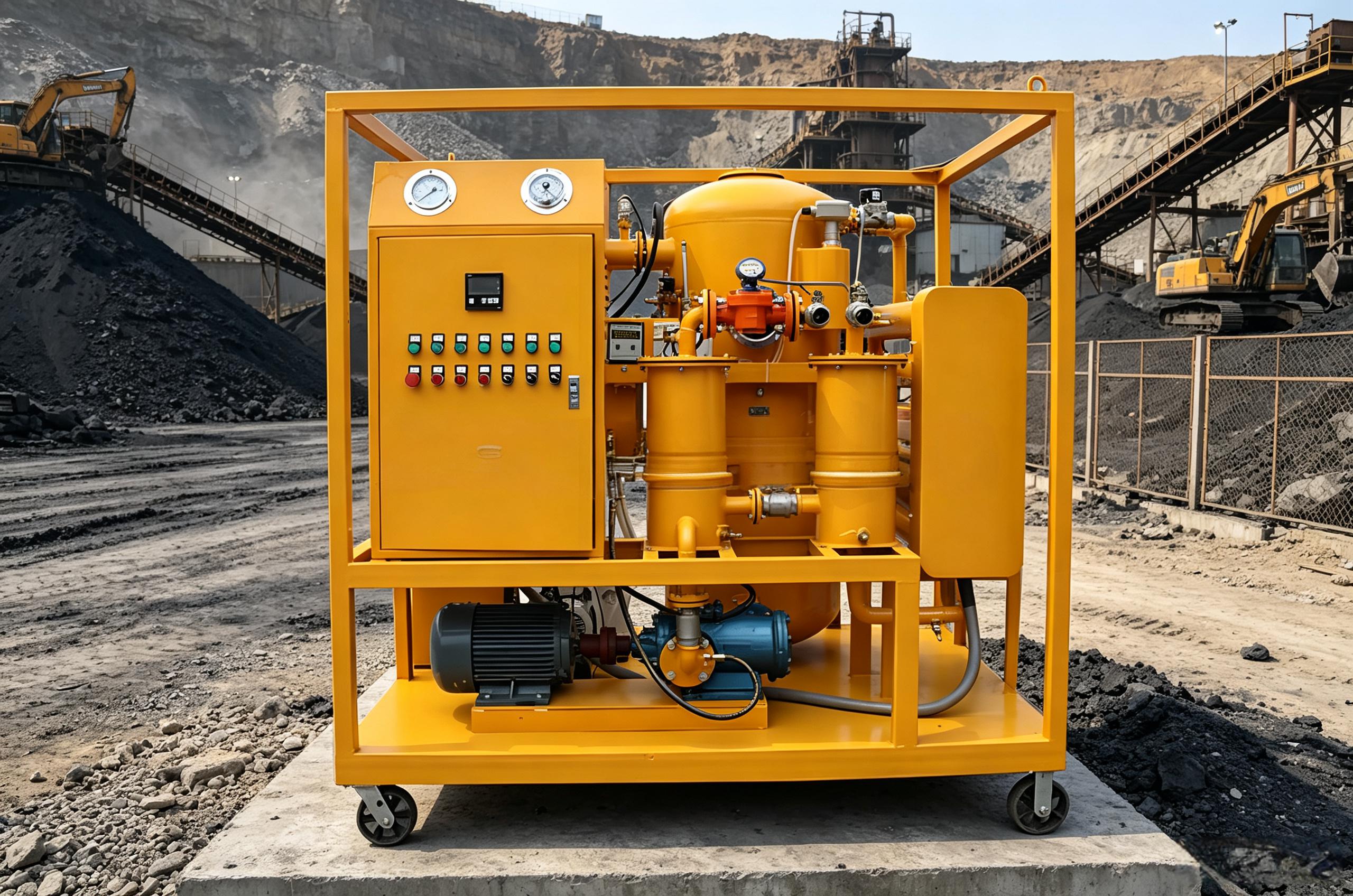
Explosion-Proof Oil Purifier Selection Guide: Which Working Conditions Require One?
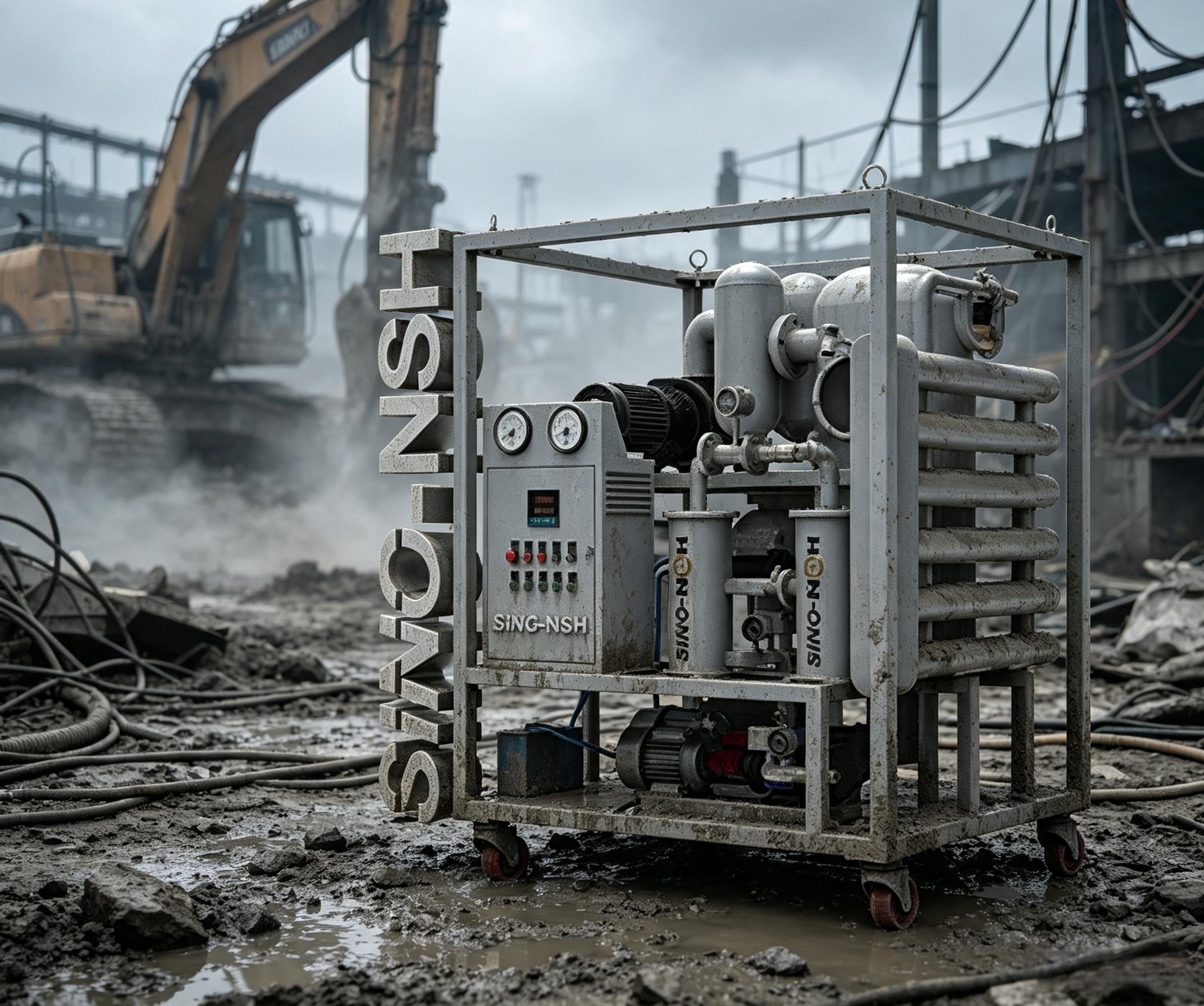
How to Prevent Rapid Lubricating Oil Degradation in Steel Mills
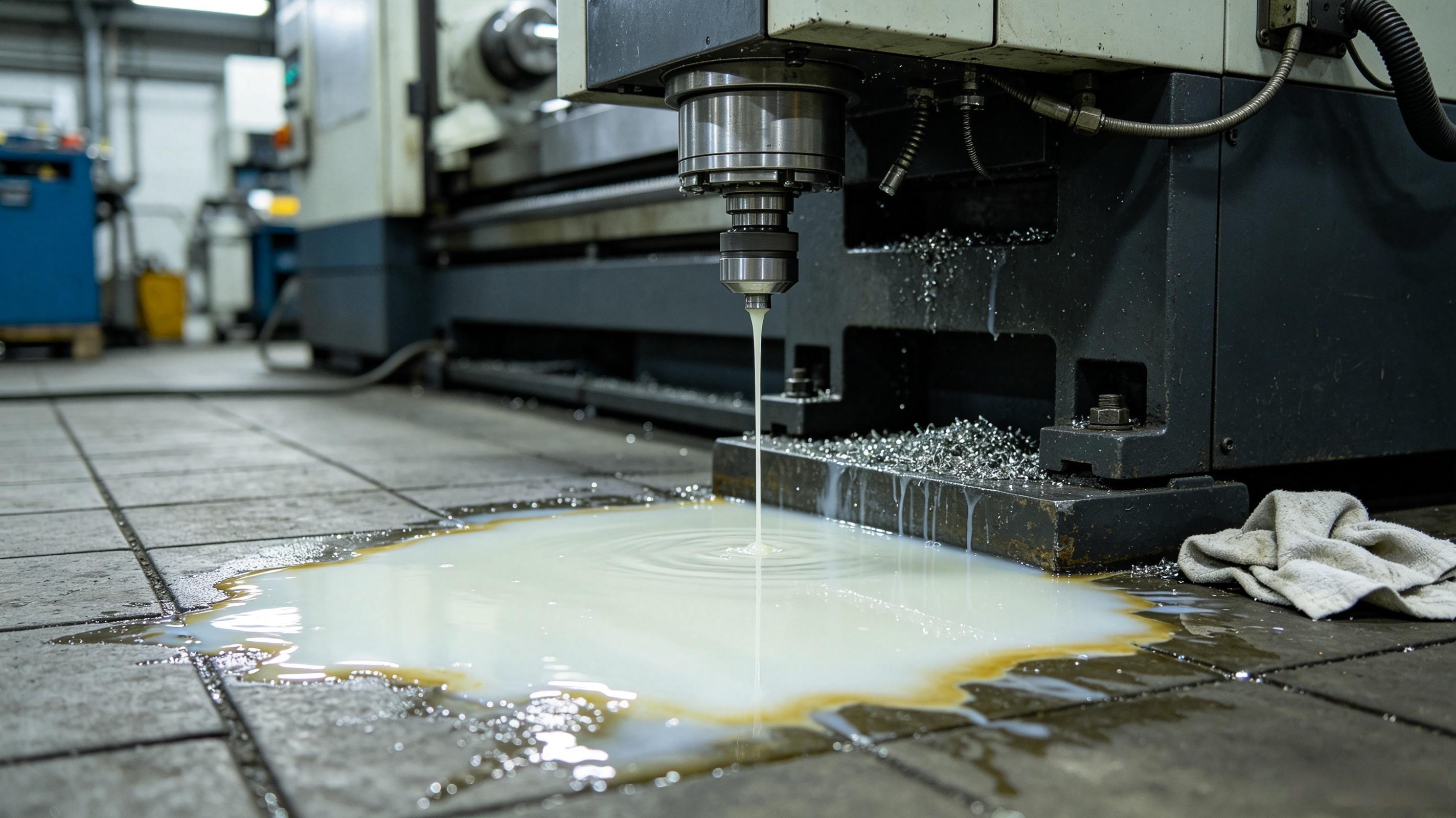
Can an Oil Purifier Remove Acid? Understanding the Limits of Oil Regeneration
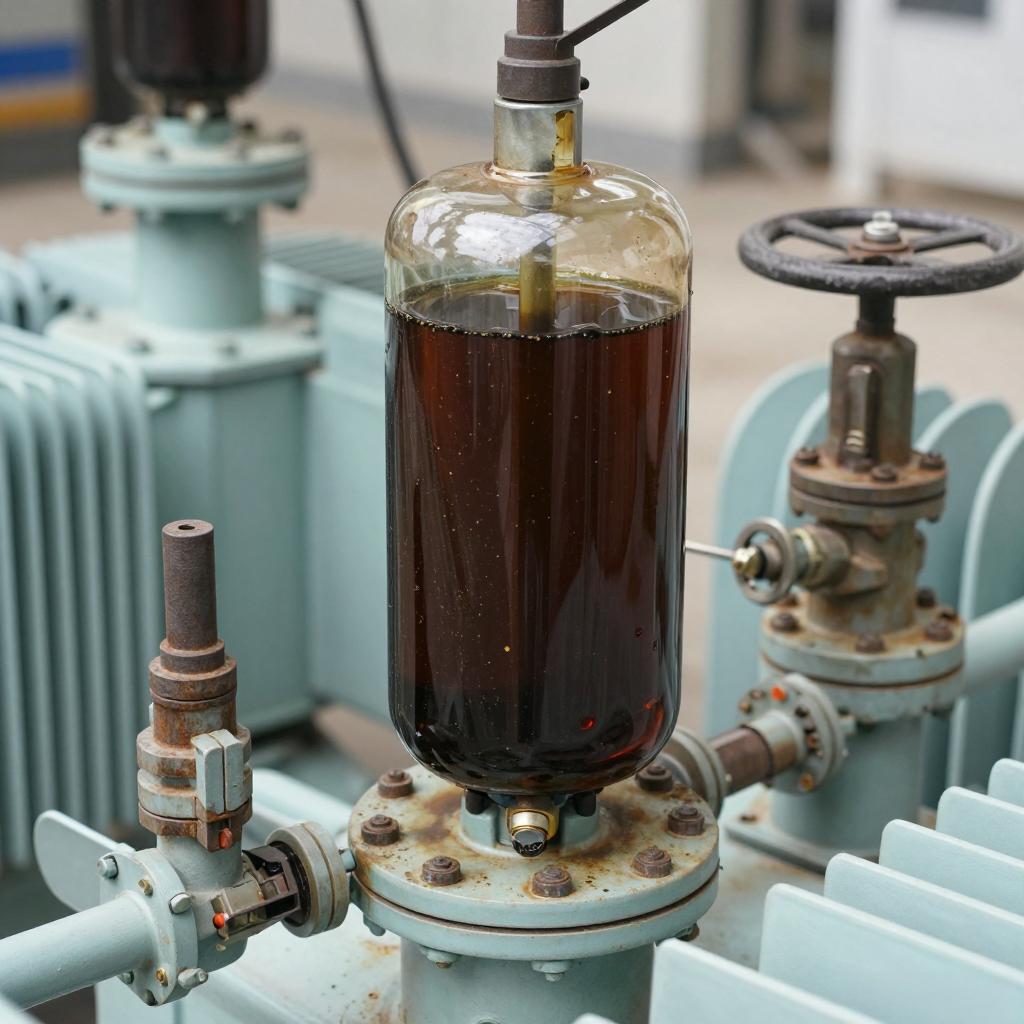
Chemical Industry Oil Purification: How to Choose the Right Oil Purifier
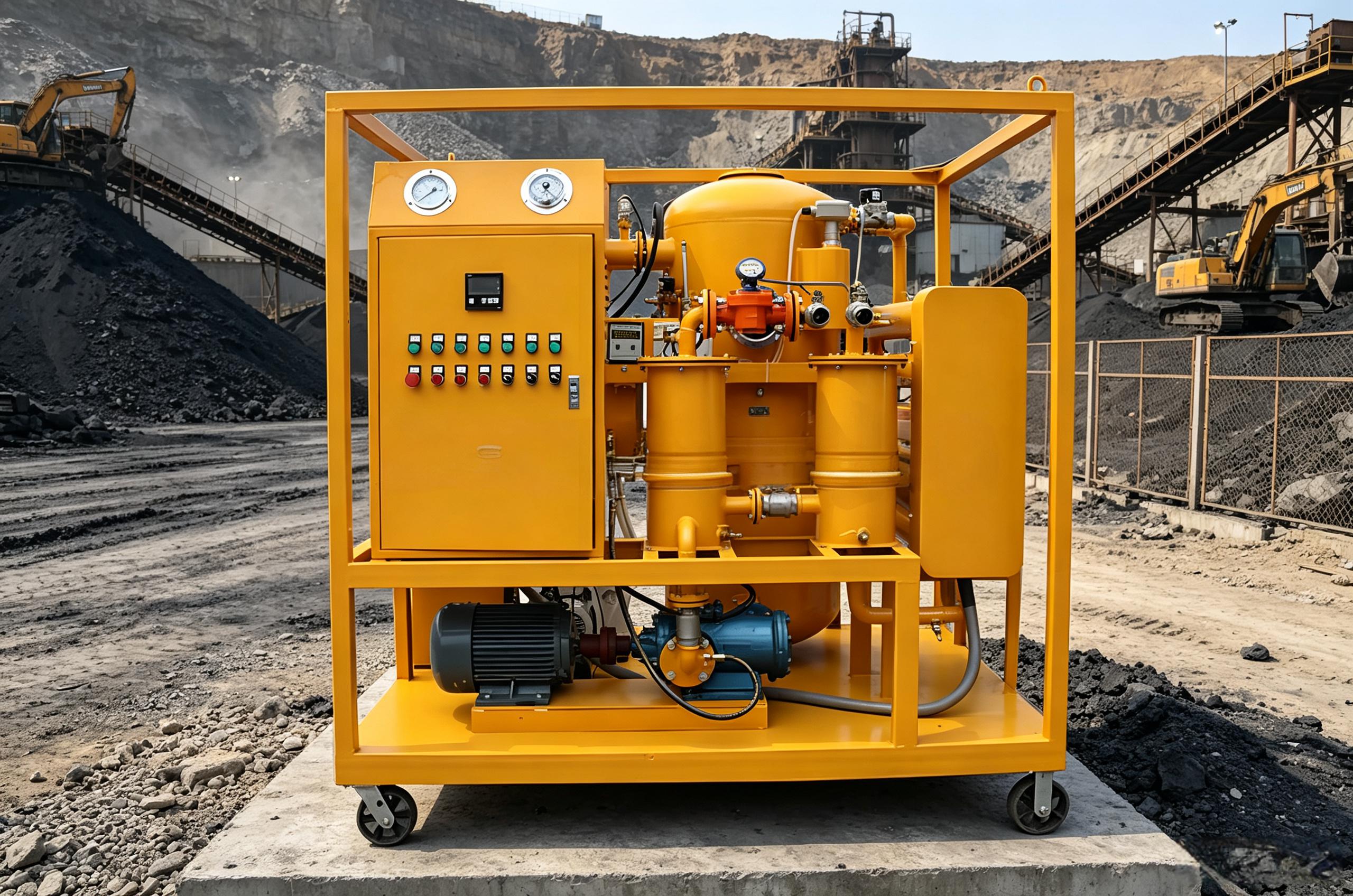
Why Is Coalescing Water Removal More Stable Than Vacuum Dehydration?