E-mail seo@sino-purification.com

Time:2025-12-30 14:08:40 Reading volume:
Offline hydraulic oil filtration systems are essential, efficient, and cost-effective tools for modern hydraulic system maintenance. They function like a dedicated “dialysis machine” for hydraulic oil, continuously removing contaminants without interrupting equipment operation.
These systems play a critical role in extending oil life, protecting precision components, and enabling predictive maintenance strategies.
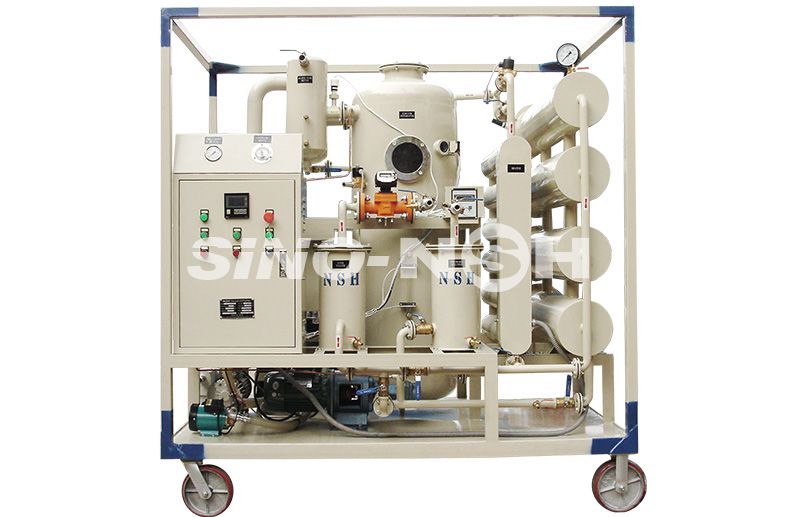
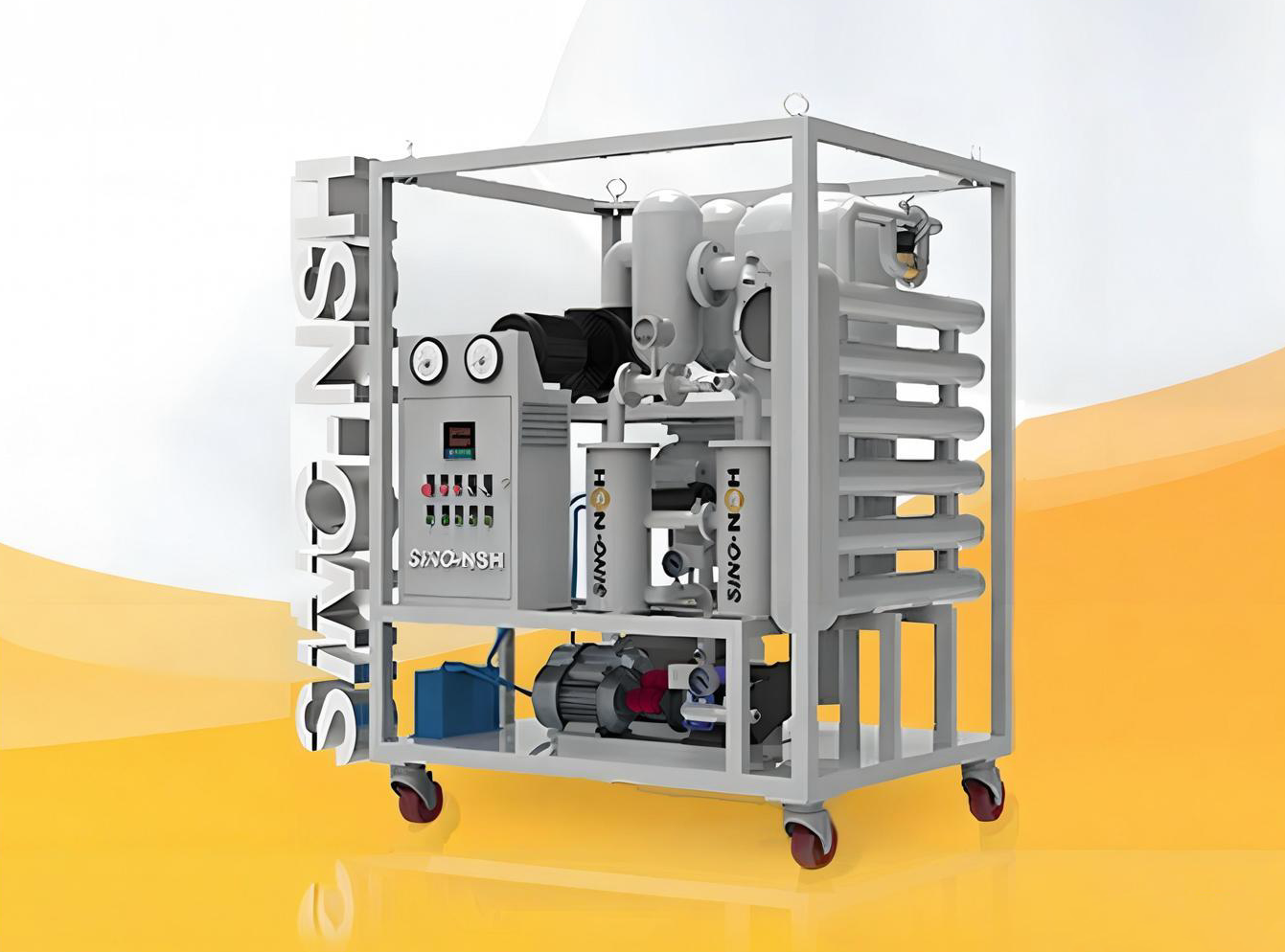
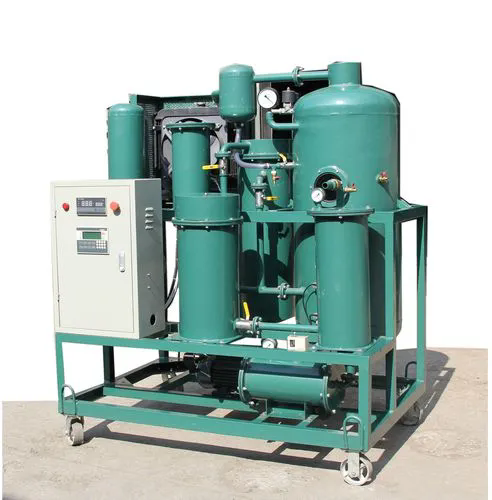
An offline hydraulic oil filtration system—also known as a bypass filtration system or auxiliary filtration unit—is a portable oil purification device that operates independently from the main hydraulic circuit.
Working principle:
Hydraulic oil is drawn from the reservoir, purified through high-precision filtration and optional dehydration modules, and then returned to the tank. This creates a continuous purification loop running parallel to the main hydraulic system, without affecting system pressure or flow.
Understanding the difference between offline filtration and online (inline) filtration helps clarify their complementary roles.
| Feature | Offline Filtration System | Online (Inline) Filter |
|---|---|---|
| System relationship | Independent, bypass operation | Installed in series with main circuit |
| Primary purpose | Deep oil cleaning and long-term maintenance | Real-time protection of pumps and valves |
| Filtration accuracy | Ultra-high (typically 1–3 μm) | Moderate (10–25 μm) |
| Flow rate | Low flow (≈10–20% of main pump flow) | Full system flow |
| Operating timing | Can run during operation, shutdown, or maintenance | Operates only when system runs |
| Functions | Particle removal, dehydration, degassing, heating | Particle filtration only |
A typical offline hydraulic oil filtration unit includes:
Drive unit
Electric or pneumatic pump for continuous oil circulation.
Filtration module
Multi-stage filter elements (coarse + fine), with high β-ratio precision cartridges.
Optional purification modules
Vacuum dehydrator – removes dissolved and free water
Coalescing separator – removes free water
Heater – reduces viscosity and improves dehydration efficiency
Monitoring and control system
Differential pressure indicators, pressure gauges, moisture sensors, particle counters.
Mobile frame
Enables one system to service multiple machines.
Offline systems can maintain oil cleanliness levels such as ISO 14/12/10 or better, which is difficult to achieve using inline filters alone. Clean oil is the foundation of long hydraulic component life.
Integrated dehydration and degassing prevent oil emulsification, oxidation, corrosion, and cavitation damage.
By operating in bypass mode, offline filtration does not increase pressure drop or risk system failure due to filter blockage.
One mobile offline filtration unit can service multiple machines—presses, injection molding machines, CNC tools—delivering high ROI.
Continuous contaminant removal slows oil aging and component wear, significantly reducing oil change frequency and maintenance costs.
New oil is often contaminated. Offline filtration ensures oil is purified before entering the hydraulic system, preventing initial contamination.
High-reliability systems
Power plant turbine controls, aerospace test benches, large die-casting machines.
Moisture-prone environments
Paper machines, offshore platforms, facilities with large temperature fluctuations cause condensation.
Precision hydraulic equipment
CNC machine tools, plastic injection molding machines, rolling mills.
Predictive maintenance programs
Periodic offline filtration combined with oil condition monitoring (particle count, moisture analysis).
Summary
Offline hydraulic oil filtration systems are a cornerstone of modern hydraulic maintenance, enabling a shift from reactive repair to preventive and predictive maintenance.
More than just a filter, they function as a complete oil quality management station, continuously maintaining hydraulic oil in a “like-new” condition—without disrupting production.
By improving system reliability, reducing downtime, and lowering operating costs, offline filtration systems are a powerful solution for enterprises focused on efficiency, longevity, and production continuity.