E-mail seo@sino-purification.com

Time:2025-12-30 13:36:25 Reading volume:
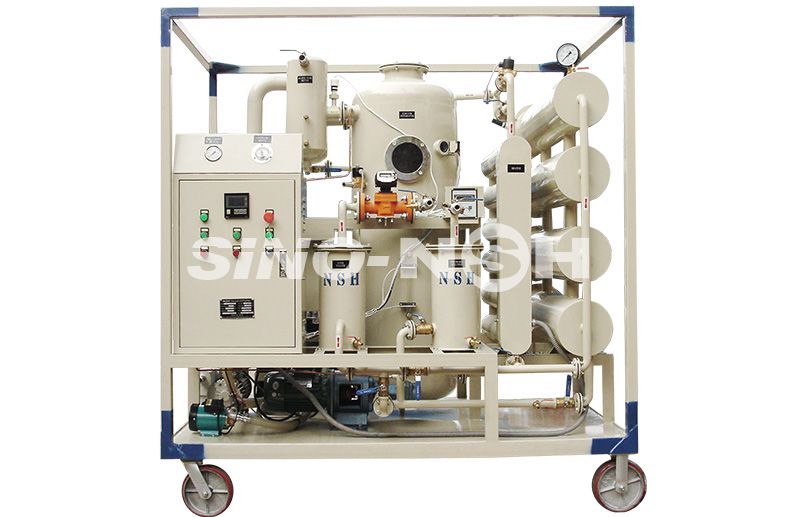
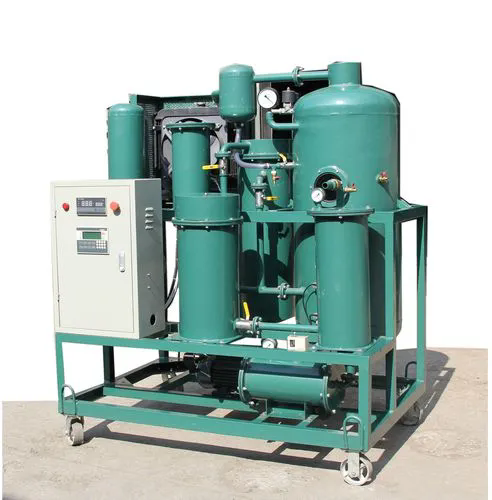
Correct operation of industrial oil purifiers (oil filtration systems) is essential for effective purification, personnel safety, equipment protection, and extended service life. Improper operation may lead to filtration failure, fire hazards, or equipment damage.
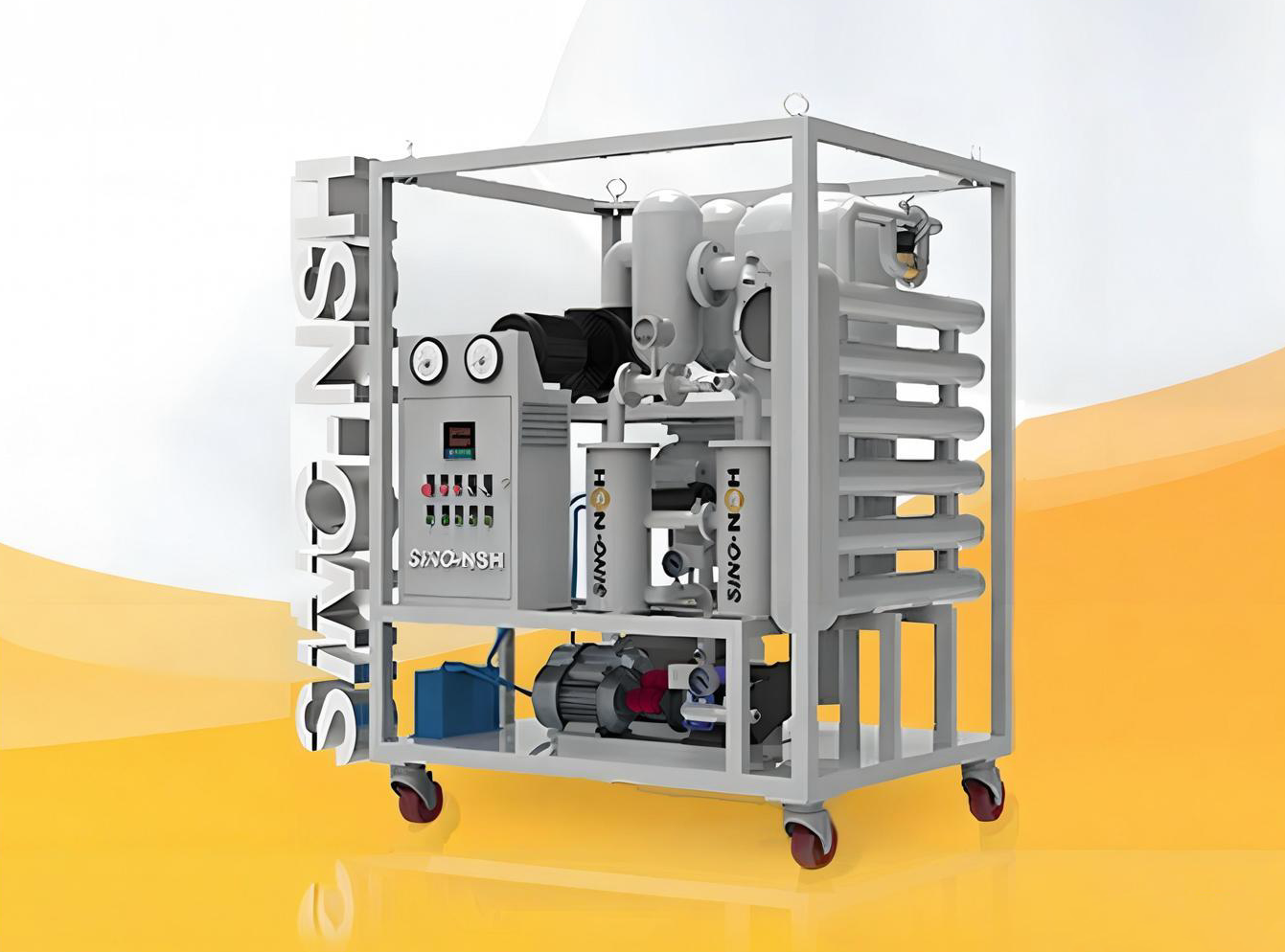
This guide outlines key safety precautions and operational best practices for vacuum oil purifiers, centrifugal oil purifiers, and other industrial oil filtration equipment.
Ensure proper grounding to prevent electric shock.
Confirm power supply voltage matches equipment specifications.
Use explosion-proof oil purifiers in flammable environments.
Never open the electrical control cabinet during operation.
When handling flammable oils (transformer oil, turbine oil, fuel oil):
No smoking or open flames.
Fire extinguishers must be available.
Prevent sparks and overheating in pumps and heaters.
Control oil temperature within manufacturer limits (typically ≤65 °C).
Do not touch rotating components during operation.
Secure pipelines to prevent high-pressure oil leakage.
Shut off power and release pressure before maintenance or relocation.
Place equipment on a stable, level surface.
Inspect valves, seals, and joints regularly.
Address oil leaks promptly to prevent pollution and slip hazards.
1. Equipment and Oil Compatibility
Ensure purifier type, capacity, and filtration accuracy match oil viscosity, water content, and flash point.
2. Pipeline and System Checks
Inlet pipe draws oil from tank bottom; outlet returns oil to tank top.
Maintain a sealed system to prevent air ingress and contamination.
3. Filter Element Inspection
Install correct filter elements or filter paper with intact seals.
Incorrect or clogged filters reduce efficiency and may damage equipment.
4. Valve Position Confirmation
Verify all valves are correctly positioned per the operation manual.
1. Pressure Monitoring (Critical)
Monitor differential pressure across fine filters.
Stop operation and replace filter elements at 0.3–0.5 MPa.
2. Temperature Control
Start oil pump before heater activation.
Maintain oil temperature at 45–60 °C for optimal dehydration.
Never exceed oil flash point or equipment temperature limits.
3. Vacuum Monitoring (Vacuum Oil Purifiers)
Maintain stable vacuum and proper atomization.
Low vacuum suggests air leakage or poor sealing.
4. Visual and Acoustic Checks
Oil should atomize uniformly in the vacuum chamber.
Outlet oil must be clear and bubble-free.
Stop immediately if abnormal noise occurs.
5. Preventing Oil Ingress into Vacuum Pump
Monitor vacuum tank oil level to avoid oil entering the vacuum pump.
1. Shutdown Procedure
Typical sequence:
Stop heating
Circulate for cooling
Stop vacuum pump
Stop oil pump
Always follow the manufacturer’s manual.
2. Draining and Cold Protection
Drain residual oil before long-term shutdown.
Prevent freezing damage in cold environments.
3. Filter Replacement and Records
Record pressure and oil condition for each run.
replace consumables on schedule; do not reuse disposable filters.
4. Equipment Cleaning
Clean equipment surfaces after shutdown to extend service life.
Quick Operational Checklist
Before Startup: Power, pipelines, filters, valves, oil condition
During Operation: Pressure, temperature, vacuum, sound, oil clarity
After Shutdown: Drain oil, replace filters, clean, record data
Final Note
Always follow the manufacturer’s Operation and Maintenance Manual. Standardized operation ensures safe, efficient, and economical industrial oil purification.