E-mail seo@sino-purification.com

Time:2026-04-21 13:03:50 Reading volume:
Executive Summary:
Oil purifier after-sales inspection is a 6-step process focused on installation, sealing, and performance verification. Success is defined by meeting industry benchmarks: Moisture < 10ppm, Particle Size < NAS 6, and Breakdown Voltage > 50kV for insulating oils.
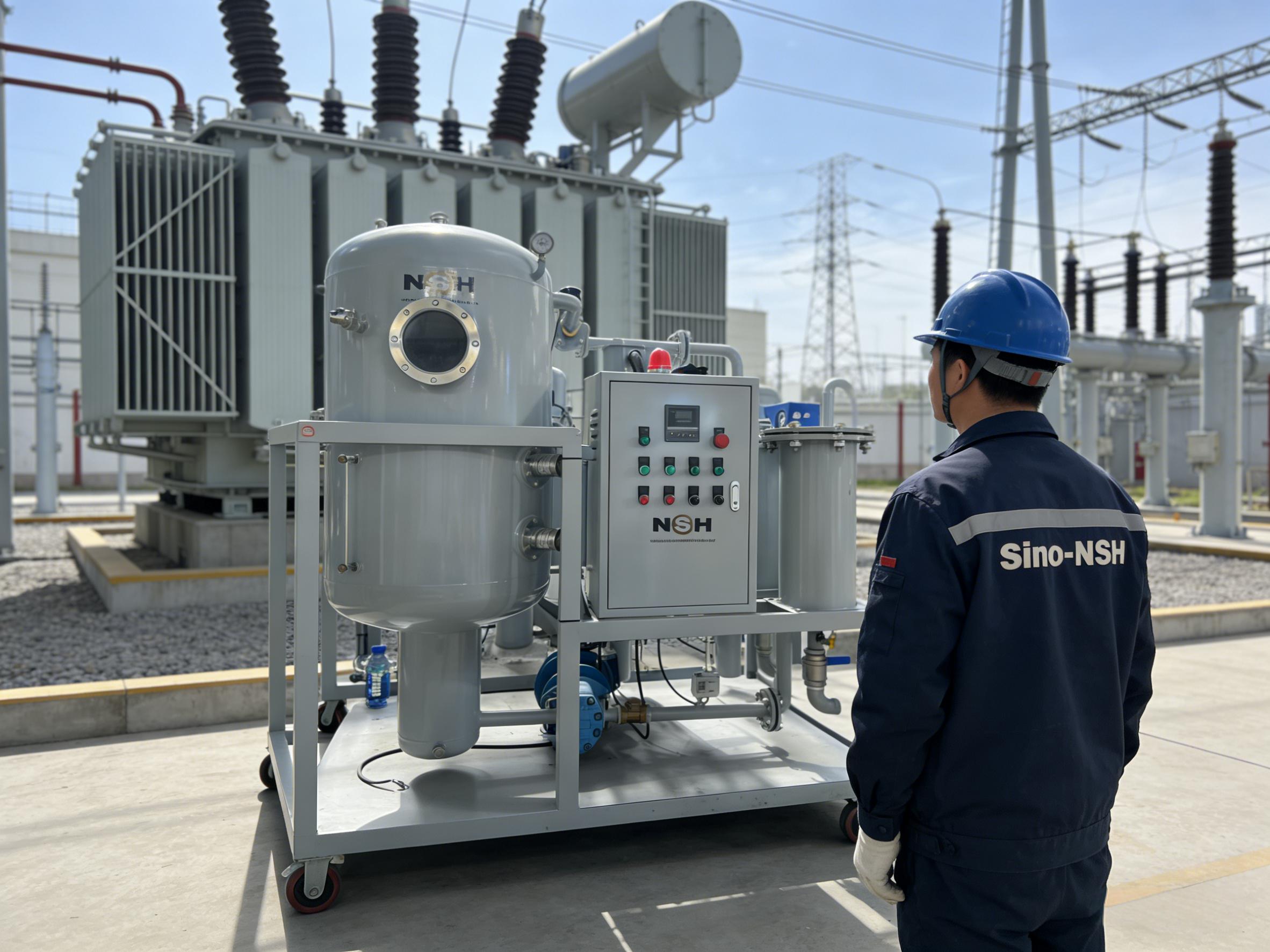
After-sales service for industrial oil filters isn't just a repair visit—it is a critical reliability audit. Proper service prevents production downtime and insulation failure in high-value assets like transformers.
Core Objective: Verify that treated oil meets rated standards (ISO/IEC/GB).
The Gold Standard: Transition from "break-fix" to "preventative archiving."
Before the machine starts, technicians must eliminate "Physical Latency"—minor installation errors that cause major failures.
Leveling: Use a spirit level to ensure the chassis is perfectly horizontal. Tilt leads to uneven heating and pump cavitation.
Airflow: Maintain a 30cm buffer zone. Heat is the enemy of pump seals and electrical relays.
Common Failure: 80% of "low vacuum" issues are caused by aged O-rings or loose quick-connects.
Test: Apply soapy water to joints under negative pressure; watch for "dimpling" or bubbles at the exhaust.
During operation, the system must maintain specific "Working Windows."
| Component | Standard Parameter | Troubleshooting |
| Vacuum Tank | ≥ -0.095 MPa | If low, check for air in-leakage or pump oil emulsification. |
| Heating Elements | 45°C - 65°C | If erratic, check the thermocouple and interlock relay. |
| Filter Discharge | 0.1 - 0.3 MPa | Pressure $> 0.4$ MPa indicates a saturated/clogged element. |
Acceptance is only final once the oil reaches these international and national (GB/T) specifications.
Standard: Refer to GB/T 507 or IEC 60156.
Target: For new or recycled transformer oil, the voltage should exceed 50kV.
Particulates: Achieving NAS 1638 Class 6 or ISO 4406 15/12/10 is essential for high-pressure hydraulic systems.
To ensure long-term ROI, the user must understand the replacement cycle of "Wear Parts":
High-Precision Filters: Do not wash; replace when the pressure differential peaks.
Vacuum Pump Oil: If the oil appears "milky," it is saturated with water. replace immediately to prevent pump from seizing.
Adsorbents (Silica/Alumina): replace when the color indicator shifts (e.g., Blue to Pink).
Check: Leakage in the inlet pipe, water in the vacuum pump oil, or a failed solenoid valve on the vent line.
Check: The "no-flow" interlock. If the oil pump isn't circulating, the heater will stay off to prevent fire.
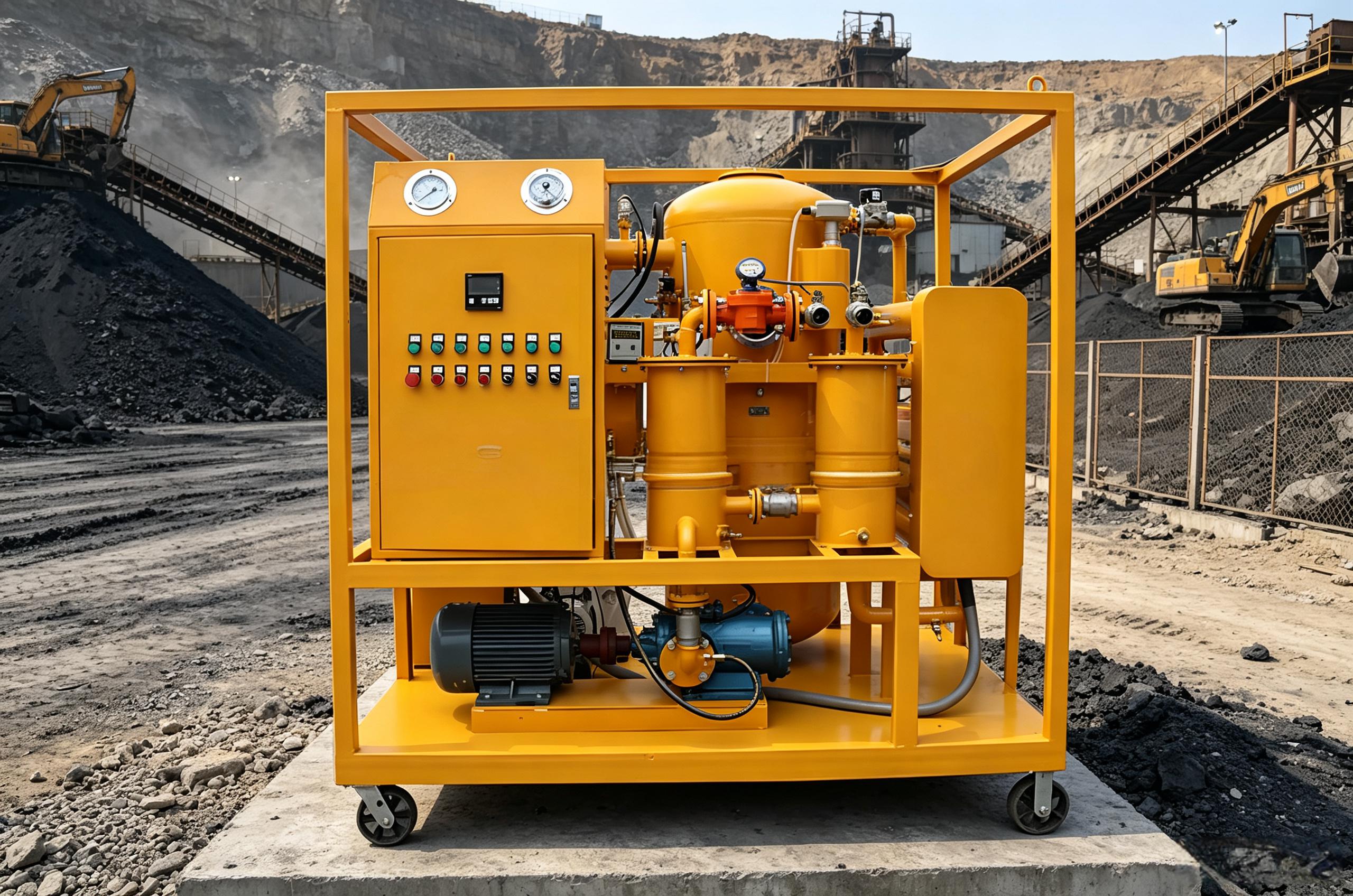
Explosion-Proof Oil Purifier Selection Guide: Which Working Conditions Require One?
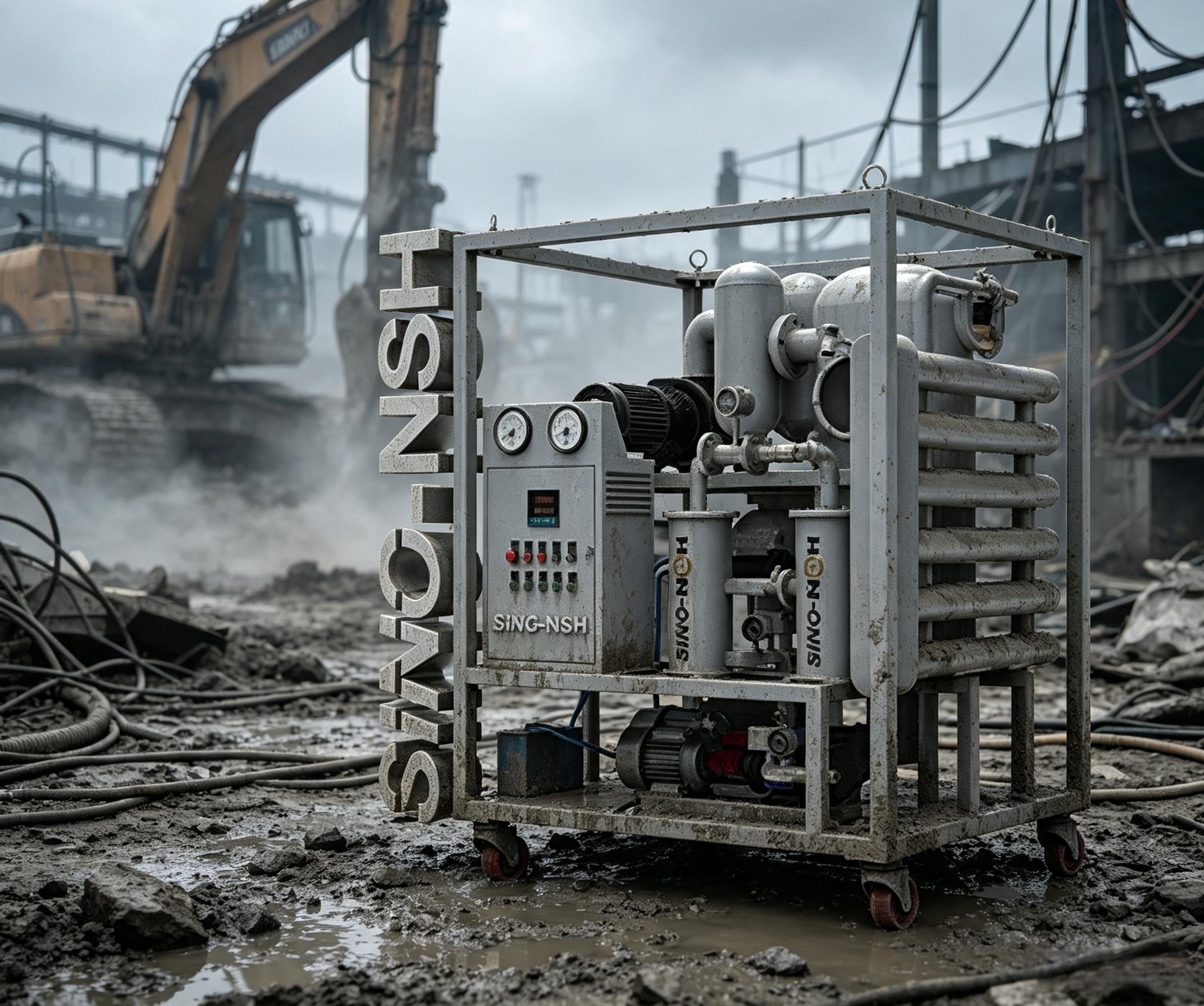
How to Prevent Rapid Lubricating Oil Degradation in Steel Mills
Can an Oil Purifier Remove Acid? Understanding the Limits of Oil Regeneration
Chemical Industry Oil Purification: How to Choose the Right Oil Purifier
Why Is Coalescing Water Removal More Stable Than Vacuum Dehydration?