E-mail seo@sino-purification.com

Time:2026-07-21 11:45:59 Reading volume:
Can this machine reduce the acid number (TAN) of my oil?
The short answer is yes—but only under certain conditions.
Not all oil purification systems have effective acid removal capability, and even advanced regeneration units have limits when the oil has severely degraded. Understanding how acid forms and how oil purifiers remove it will help you choose the right solution instead of relying on marketing claims.
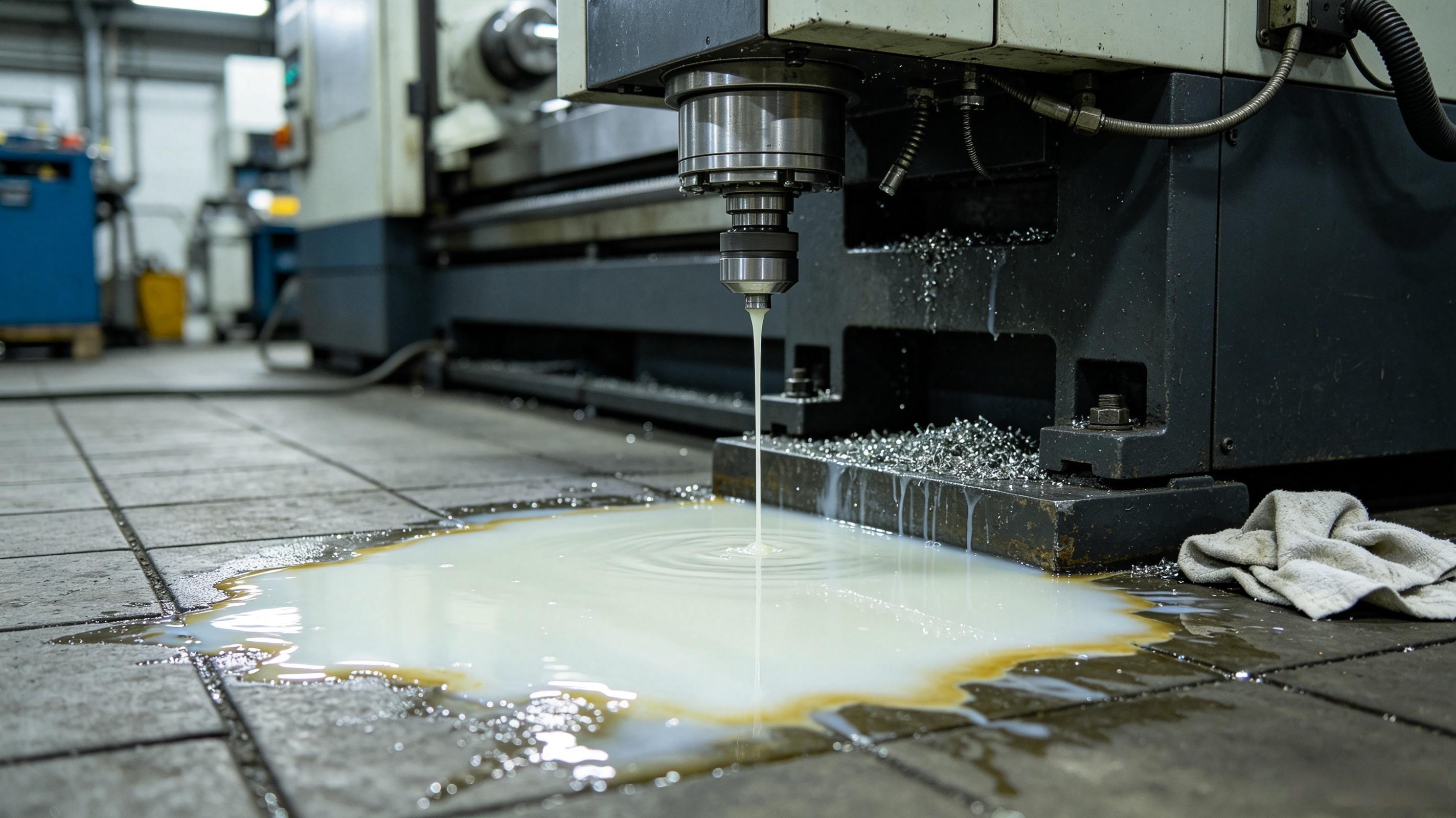
Industrial oils naturally oxidize over time. Heat, oxygen, moisture, and metal catalysts gradually break down the oil molecules, producing acidic compounds.
As oxidation progresses, the oil may develop:
A higher Total Acid Number (TAN)
Darker color
Sludge and varnish
Increased corrosion risk
Reduced insulation or lubrication performance
Transformer oil, turbine oil, hydraulic oil, and lubricating oil can all experience acid buildup after extended service.
If left untreated, rising acidity accelerates oil aging and may shorten the service life of both the oil and the equipment.
This is where many buyers misunderstand the capabilities of an oil purifier.
A standard vacuum oil purifier is primarily designed to remove:
Free water
Dissolved moisture
Gases
Solid particles
These machines significantly improve oil cleanliness and dielectric strength, but they do not directly remove acidic molecules dissolved in the oil.
As a result, users may notice that:
Moisture content decreases
Particle cleanliness improves
Breakdown voltage (BDV) increases
...while the acid number remains almost unchanged.
If reducing TAN is your primary objective, a conventional vacuum dehydration system alone is usually not enough.
Oil purifiers with acid removal capability typically include an oil regeneration system.
Instead of relying only on filtration, these machines use specialized adsorption materials to capture oxidation by-products.
Common technologies include:
Activated clay (Fuller's Earth)
Ion exchange media
Adsorbent cartridges
Oil regeneration columns
These materials remove:
Organic acids
Sludge
Oxidation products
Polar contaminants
As a result, the regenerated oil often shows:
Lower TAN
Improved color
Reduced sludge formation
Better dielectric properties
Extended service life
This is why transformer oil regeneration plants are widely used in substations, power plants, and electrical maintenance applications.
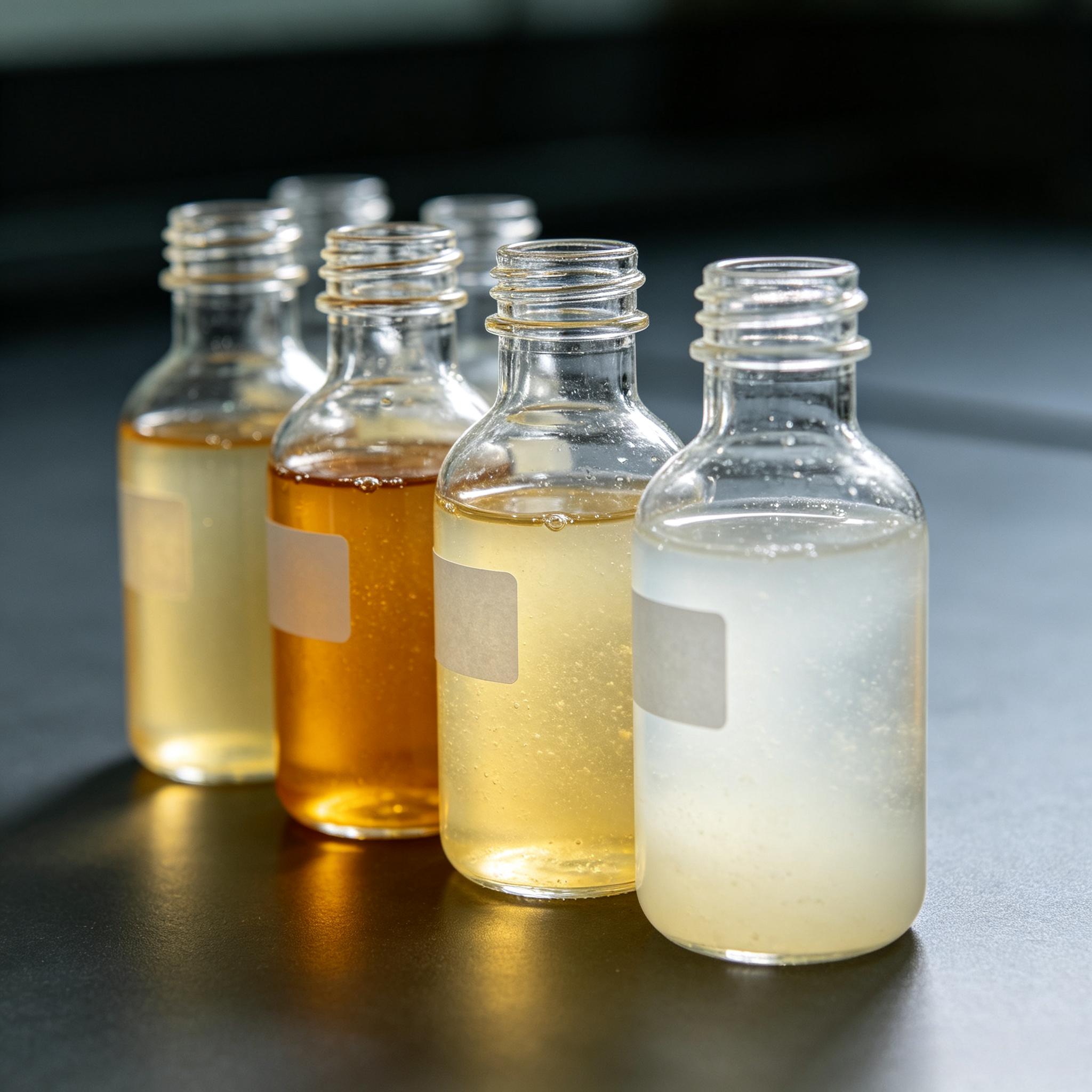
Oil regeneration generally performs well when:
Acid value is only moderately elevated
Oil has not severely oxidized
Moisture contamination has been controlled
Sludge formation is still limited
Base oil quality remains acceptable
In these situations, regeneration can restore much of the oil's usable performance while reducing replacement costs.
Even the best regeneration equipment cannot reverse every stage of oil degradation.
Acid removal becomes less effective when:
If the oil has:
Extremely high TAN
Heavy sludge deposits
Significant viscosity changes
Burnt appearance or odor
the base oil itself may already be damaged beyond recovery.
If the system continues to suffer from:
Air leakage
Moisture ingress
Excessive operating temperatures
New acids will continue forming even after purification.
Without correcting the root cause, acid levels may quickly rise again.
Many industrial lubricants rely on additive packages to resist oxidation.
Once these additives are depleted, simply removing acidic compounds cannot restore the oil's original protective performance.
The answer depends on laboratory oil analysis.
If testing shows:
Moderate TAN increase
Acceptable viscosity
Low sludge content
Good base oil condition
oil regeneration is often a cost-effective solution.
However, if multiple properties have failed—including viscosity, oxidation stability, additive depletion, and contamination—complete oil replacement may be the better long-term option.
Professional oil analysis should always guide this decision.
If your application requires acid reduction, consider asking the manufacturer the following questions:
Does the machine include an oil regeneration system or only vacuum dehydration?
What adsorption technology is used?
Can the adsorbent be replaced?
What reduction in TAN can typically be achieved?
Is the system suitable for transformer oil, turbine oil, or lubricating oil?
Can the machine simultaneously remove water, gases, particles, and acidic contaminants?
These questions provide a much clearer picture than simply asking whether the machine has an "acid removal function."

Not significantly. Vacuum dehydration removes water and gases but has very limited ability to remove dissolved acidic compounds.
No. Only transformer oil regeneration systems equipped with adsorption media are designed for effective acid reduction.
Not always. Acid removal improves oil quality, but it cannot fully reverse severe oxidation or rebuild depleted additives.
An oil purifier's acid removal function can be highly effective—but only when the machine uses a true oil regeneration process, and the oil has not deteriorated beyond recovery.
Before investing in equipment, identify whether your primary challenge is water contamination, particulate contamination, oxidation, or elevated acid number. Choosing the correct purification technology will deliver better oil quality, longer equipment life, and lower maintenance costs.
SINO-NSH designs industrial oil purification and regeneration systems for transformer oil, turbine oil, hydraulic oil, and lubricating oil. If you're unsure whether your oil can still be regenerated, our engineers can evaluate your oil analysis report and recommend the most suitable purification solution for your operating conditions.
Explosion-Proof Oil Purifier Selection Guide: Which Working Conditions Require One?
How to Prevent Rapid Lubricating Oil Degradation in Steel Mills
Can an Oil Purifier Remove Acid? Understanding the Limits of Oil Regeneration
Chemical Industry Oil Purification: How to Choose the Right Oil Purifier
Why Is Coalescing Water Removal More Stable Than Vacuum Dehydration?