E-mail seo@sino-purification.com

Time:2026-01-15 11:43:11 Reading volume:
Hydraulic oil filtration is a critical factor in the reliability and service life of hydraulic systems. Its main objective is to maintain oil cleanliness, ensuring stable and efficient system operation and reducing component wear. Filtration requirements should be developed based on cleanliness standards, filtration precision, system layout, and maintenance practices.
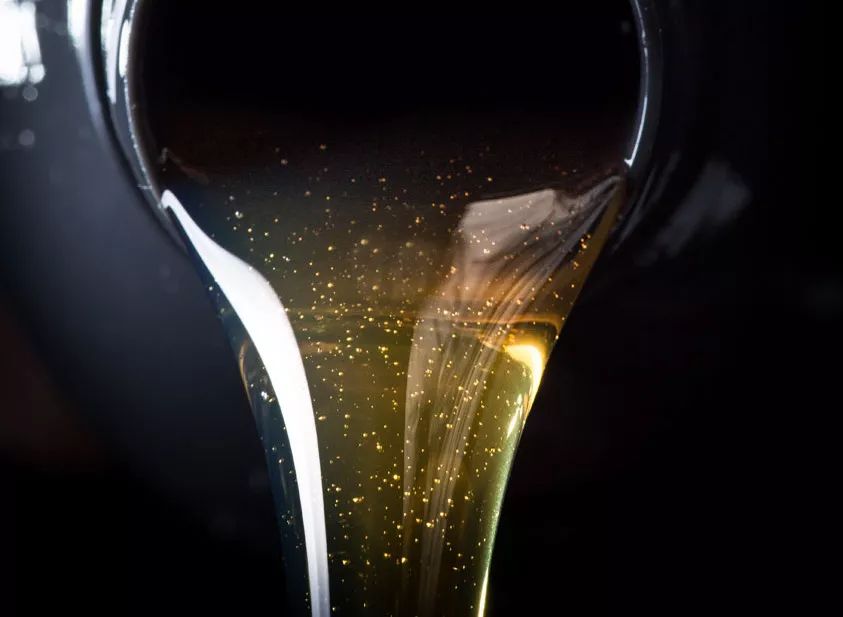
The cleanliness grade is the most important indicator of the degree of contamination in hydraulic oil, expressed as the concentration of particles of different sizes.
Commonly Used Standards
ISO 4406 (e.g., 18/16/13): Particle count ≥4 μm, ≥6 μm, and ≥14 μm per milliliter
NAS 1638: Still cited in some industrial and aerospace applications
Typical Requirements
High-pressure/Servo Systems: ISO 15/13/10 or higher
Medium-high-pressure systems: ISO 18/16/13 or 17/15/12
Low-pressure/General-purpose systems: ISO 21/19/16 or lower
Always adhere to the cleanliness level specified by the equipment manufacturer.
Filtration accuracy defines the smallest particle size, in micrometers (μm), that a filter can effectively remove.
Absolute Filtration: Removal efficiency ≥98% (Recommended for critical systems)
Nominal Filtration: Partial efficiency, no uniform standard
Recommended Accuracy
Servo/Proportional Valve Systems: 3–5 μm (Absolute accuracy)
High Pressure Systems (>21 MPa): 5–10 μm
Medium Pressure Systems (7–21 MPa): 10–15 μm
Return Line Filtration: 15–25 μm
Suction Line Filtration: 100–150 μm (For pump protection only)
Effective contamination control requires proper filter placement:
Pressure Line Filtration – Protects precision valves
Return Line Filtration – Captures abrasive particles before oil returns to the tank
Suction Line Filtration – Prevents large particles from entering the pump
Offline (Bypass) Filtration – Used in continuous high-precision oil cleaning systems for large or critical systems
Oil Fill Filtration – Mandatory, as new oil typically contains contaminants
Filtration must control contaminants without degrading oil performance:
Moisture content: ≤1000 ppm (≤500 ppm for precision systems)
Air control: Prevent foaming and viscosity loss
Physicochemical stability: Viscosity, additives, or acid value remain unchanged
Temperature and viscosity matching: The oil filtration system must be adapted to actual operating conditions
Differential pressure monitoring for timely filter replacement
High dirt-holding capacity to extend filter life
Material compatibility between oil, seals, and filter media
Flow rate matching to avoid excessive pressure loss
Monitor fluid cleanliness using a particle counter.
Set target cleanliness levels based on system importance.
replace filters based on differential pressure or fluid analysis results.
Perform system flushing or overhauls during oil changes.
Prevent contaminants from entering through the sealed tank and ensure breather cleanliness.
The goal is to control the content of solid particles, water, and air below target limits, thereby reducing wear, preventing valve sticking, stabilizing performance, and extending the service life of fluids and components—ultimately improving system reliability and operating economy.
In practical applications, maintenance decisions should always be based on the manufacturer's technical manual and fluid analysis data.
Explosion-Proof Oil Purifier Selection Guide: Which Working Conditions Require One?
How to Prevent Rapid Lubricating Oil Degradation in Steel Mills
Can an Oil Purifier Remove Acid? Understanding the Limits of Oil Regeneration
Chemical Industry Oil Purification: How to Choose the Right Oil Purifier
Why Is Coalescing Water Removal More Stable Than Vacuum Dehydration?