E-mail seo@sino-purification.com

Time:2025-08-11 14:11:34 Reading volume:
To filter and clarify industrial oils (such as lubricating oil, hydraulic oil, and transformer oil), appropriate filtration methods and equipment must be selected based on the type of oil contamination (impurities, moisture, oxidation products, etc.). The following are specific steps and technical solutions:
1. Oil Condition Testing
- Test for water content (ASTM D6304), particulate contamination (ISO 4406), and acid value (ASTM D664) to determine the primary contaminant type.
- Observe the oil color and odor (e.g., darkening, emulsification, burnt odor, etc.).
2. Preliminary Treatment
- Sedimentation: Allow the oil to stand for 24-48 hours to separate large particles and free water.
- Heating Dehydration: For oils containing water, heat to 60-70°C (to avoid oxidation) to promote water evaporation.
1. Physical Filtration (Removal of Solid Impurities)
- Equipment: Plate and Frame Oil Filter, Bag Filter, Precision Cartridge Filter.
- Steps:
- Primary Filtration: Use a 20-50 micron filter to remove large particles.
- Fine Filtration: Gradually increase the filter fineness to 1-5 microns (e.g., glass fiber filter element).
- Note: High-viscosity oil requires heating (50-60°C) to reduce flow resistance.
2. Dehydration (Water Removal)
- Vacuum Oil Purifier
- Heats the oil under vacuum (60-70°C), evaporating the water and extracting it.
- Can simultaneously remove trace gases and is suitable for transformer and turbine oils.
- Coalescing Separator
- Coalescing filter element combines emulsified water into free water and then separates it. Suitable for hydraulic oils.
3. Deep Purification (Colloid and Oxide Removal)
- Activated Clay Adsorption
- Add 1%-3% activated clay, stir, and filter to decolorize and reduce the acid value.
- Electrostatic Oil Purification Technology
- Electrostatic fields absorb colloids and tiny particles (<0.1 micron), suitable for use in precision systems.
4. Chemical Treatment (for severely oxidized oil)
- Adding regeneration agents
- Such as deacidifiers and antioxidants, neutralizes acidic substances and delays aging (requires subsequent filtration).
1. Coarse Filtration: Plate and Frame Oil Filter (50 micron) → Removes metal shavings and dust.
2. Dehydration: Vacuum Oil Filter (≤1 micron) → Reduces moisture to below 50 ppm.
3. Fine Filtration: Glass Fiber Filter (3 micron) → Particle size reaches NAS 7.
4. Adsorption (Optional): Activated Clay Treatment → Improves color and acid value.
1. Temperature Control: Heating should not exceed 80°C to prevent oil oxidation.
2. Filter Material Matching: select filter element material based on oil viscosity (e.g., metal mesh filter element for high-viscosity oil).
3. Safety Precautions: Waste oil residue is classified as hazardous waste (HW08) and requires professional disposal.
4. Verification Standards: Filtered oil quality must meet ISO 4406 (cleanliness) and GB/T 7600 (water content) requirements.
- Oil remains turbid: This may indicate residual emulsified water or colloids. Additional coalescing separation or electrostatic purification is necessary.
- Slow filtration: Check the filter element for blockage or increase the oil temperature appropriately (for high-viscosity oils).
Using the above methods, industrial oil can be restored to clarity and extend its service life. If the oil is severely degraded (acid value > 2 mg KOH/g), it is recommended to replace it with new oil.
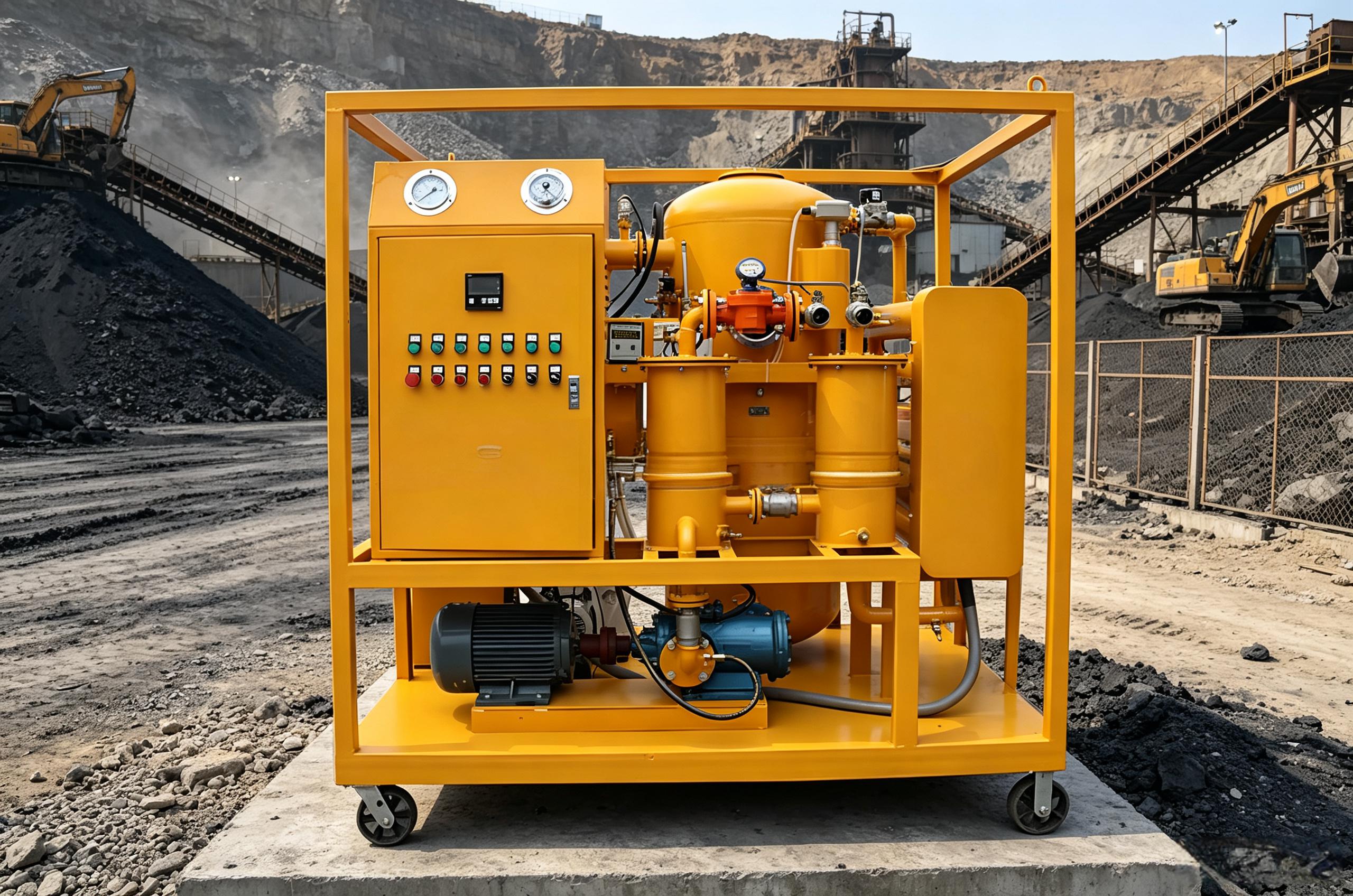
Explosion-Proof Oil Purifier Selection Guide: Which Working Conditions Require One?
How to Prevent Rapid Lubricating Oil Degradation in Steel Mills
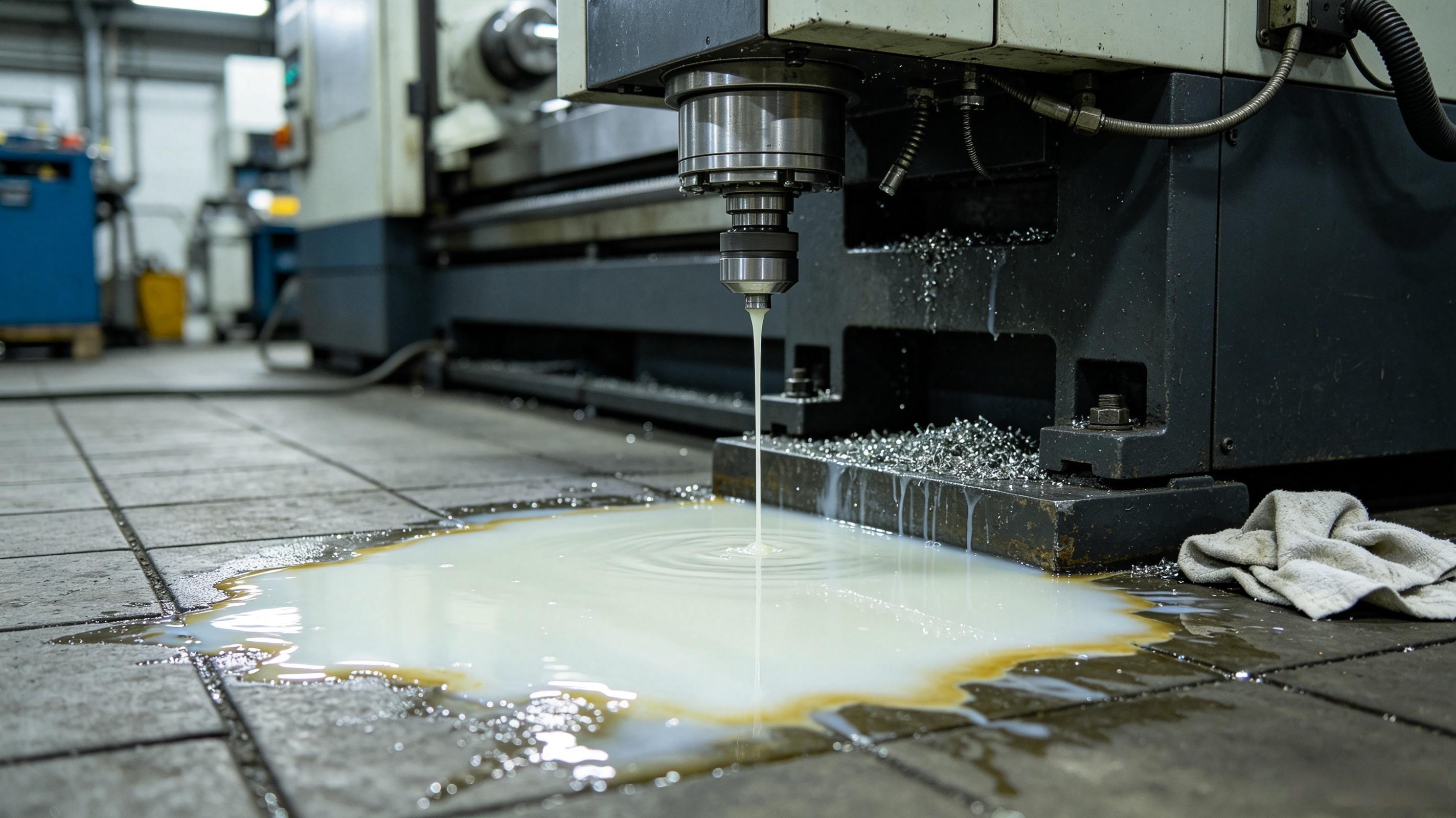
Can an Oil Purifier Remove Acid? Understanding the Limits of Oil Regeneration
Chemical Industry Oil Purification: How to Choose the Right Oil Purifier
Why Is Coalescing Water Removal More Stable Than Vacuum Dehydration?