E-mail seo@sino-purification.com

Time:2025-04-07 10:45:37 Reading volume:
Oil leakage from the hydraulic oil filter may be caused by many reasons. The following are common reasons and corresponding solutions:
- Cause: After long-term use, seals such as O-rings, oil seals, and gaskets may fail due to high temperature, oil corrosion, or mechanical wear.
- Solution: Check and replace seals regularly, and choose oil-resistant and high-temperature resistant materials (such as fluororubber and polyurethane).
- Cause: The connection parts of the oil filter, such as pipes, joints, flanges, etc. are loose due to vibration or improper installation.
- Solution: Tighten the loose parts, use thread sealants or anti-loosening gaskets, and conduct regular inspections.
- Cause: The filter element is not replaced in time after being blocked, resulting in excessive pressure and rupture; or the filter housing is cracked due to external force impact.
- Solution: replace the filter element regularly, check the integrity of the filter housing, and avoid overpressure operation.
- Cause: System pressure exceeds the design value of the oil filter (such as improper pump pressure regulation or valve failure).
- Solution: Check the system pressure regulating valve to ensure that it works within the rated pressure range of the oil filter.
- Cause: Poor welding quality or long-term vibration leads to weld leakage.
- Solution: Repair welding or replace damaged parts, and increase vibration reduction measures if necessary.
- Cause: Excessive impurities in the oil or increased acid value accelerate the corrosion of seals.
- Solution: Regularly check the oil quality and filter or replace the hydraulic oil in time.
- Cause: Unreasonable equipment structure (such as too thin box wall thickness) or insufficient processing accuracy.
- Solution: Contact the manufacturer to improve the design or replace compliant parts.
- Cause: Thermal expansion and contraction cause changes in the sealing gap (such as hardening of the seal at low temperatures).
- Solution: Choose sealing materials with a wide temperature range to avoid extreme temperature conditions.
1. Locate the oil leak: Clean the equipment and run it to observe the oil leakage location.
2. Check the seal and connection: Prioritize the inspection of seals, joints, filter elements and other vulnerable parts.
3. Pressure test: Confirm whether the system pressure is normal and eliminate overpressure problems.
4. Oil analysis: Check whether the oil is contaminated or deteriorated.
- Regular maintenance (such as checking the sealing every 500 hours).
- Use original or highly compatible accessories.
- Avoid long-term overload operation of the equipment.
If the problem is complex or involves damage to core components, it is recommended to contact professional maintenance personnel for processing.
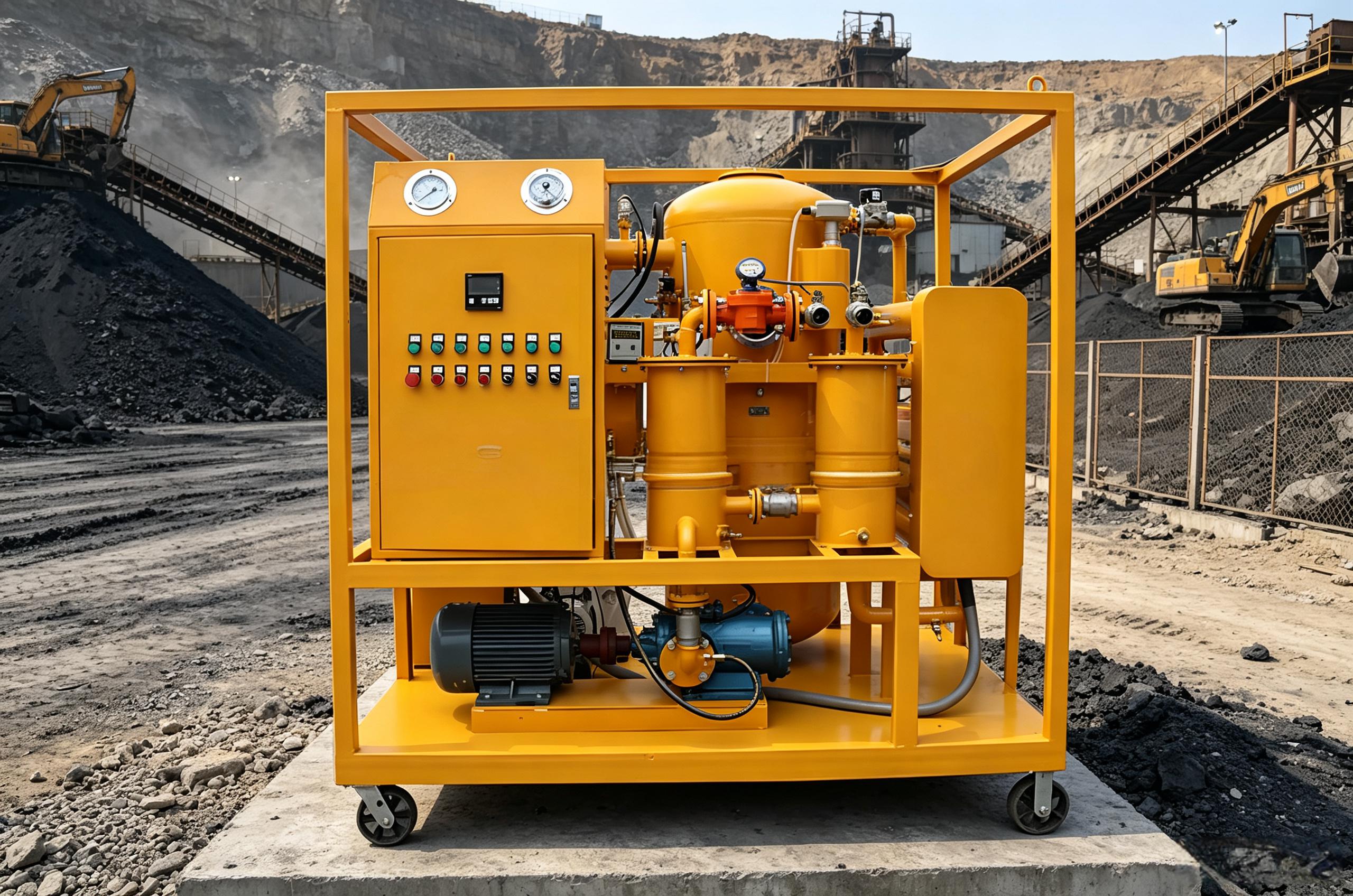
Explosion-Proof Oil Purifier Selection Guide: Which Working Conditions Require One?
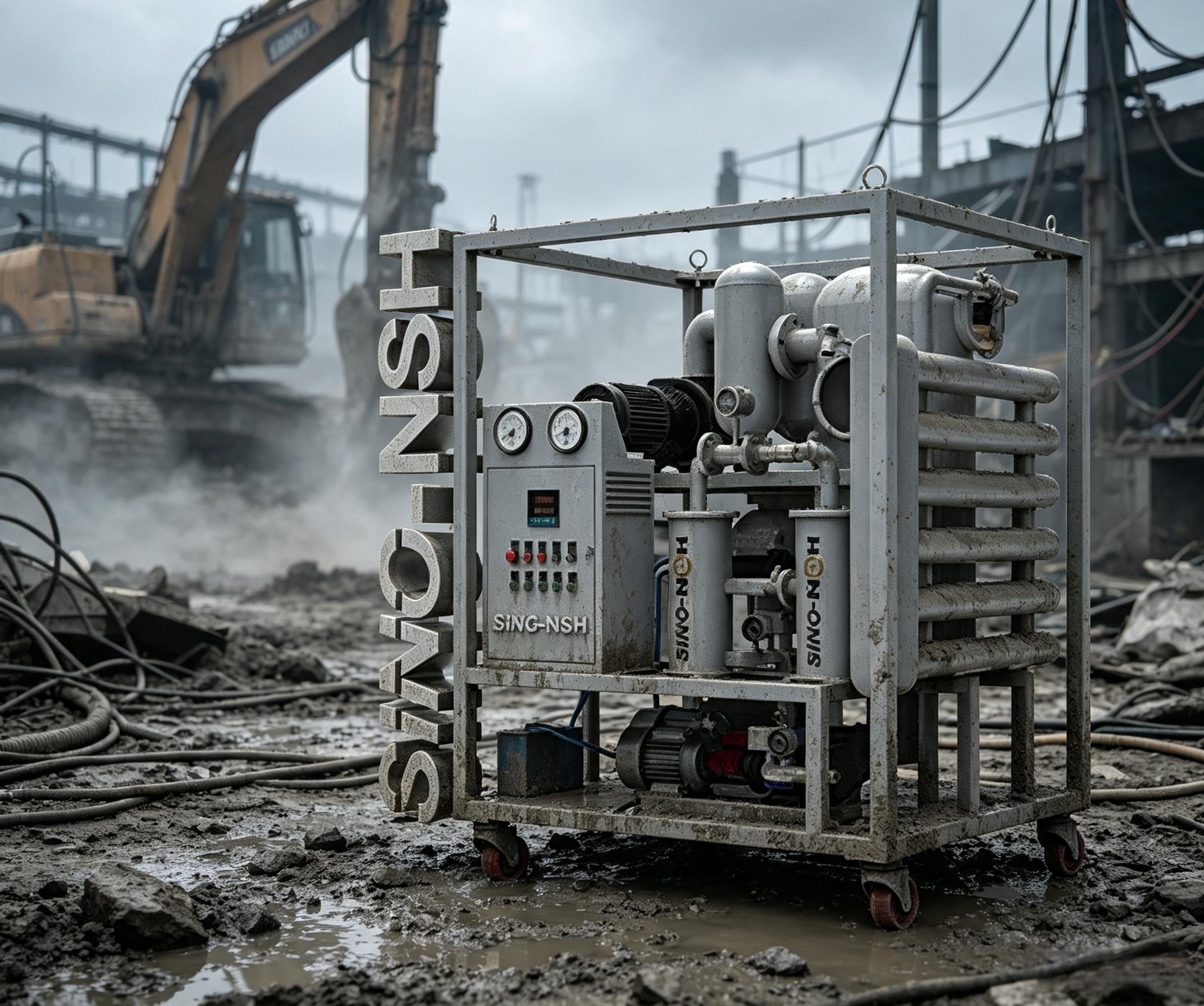
How to Prevent Rapid Lubricating Oil Degradation in Steel Mills
Can an Oil Purifier Remove Acid? Understanding the Limits of Oil Regeneration
Chemical Industry Oil Purification: How to Choose the Right Oil Purifier
Why Is Coalescing Water Removal More Stable Than Vacuum Dehydration?