E-mail seo@sino-purification.com

Time:2026-01-06 14:48:15 Reading volume:
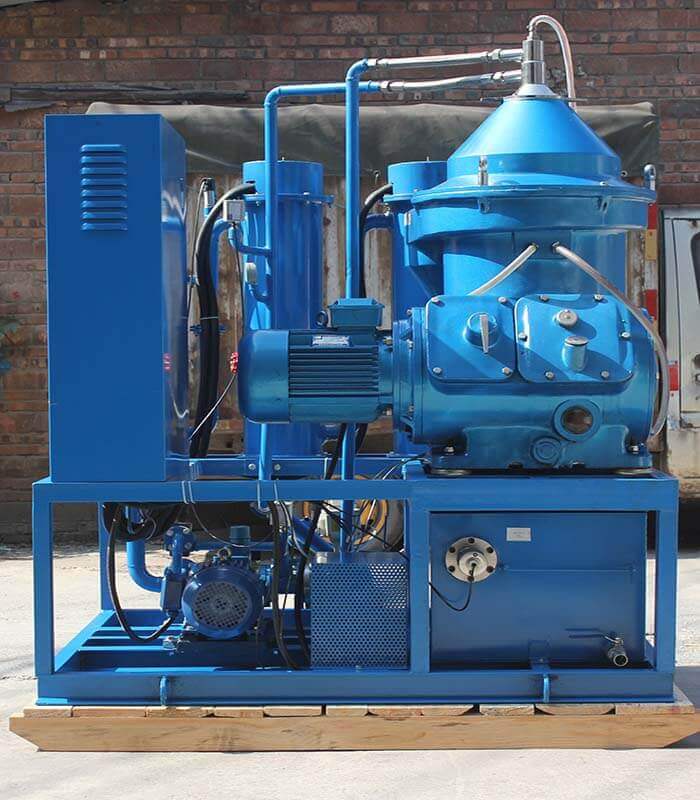
While oil purifiers cannot fully transform waste oil into brand-new oil, they utilize advanced filtration and purification techniques to restore key performance indicators, making the oil usable for extended periods.
Oil, whether it’s lubricating, insulating, or hydraulic, deteriorates during use due to several factors:
Physical Contamination: The introduction of moisture, air, dust, metal wear particles, and fibers.
Chemical Changes:
Oxidation: Oil reacts with oxygen, creating acidic substances, sludge, and varnish.
Additive Loss: Essential additives like antioxidants and anti-wear agents degrade over time.
Thermal Decomposition: High temperatures can break oil molecular chains, producing small molecular byproducts.
Oil purifiers primarily address physical contamination but also manage some chemical products:
Removal of Contaminants: They efficiently eliminate moisture, gases, and particles, restoring oil cleanliness to levels that may exceed new oil standards (measured by NAS grade).
Separation of Chemical Products: Using adsorption filters (like diatomaceous earth or activated alumina) or vacuum treatments, oil purifiers can remove certain acidic substances, colloids, and oxidized compounds, improving the oil's color and acid value.
Despite their effectiveness, oil purifiers have notable limitations:
No Additive Replenishment: Oil purifiers cannot restore exhausted functional additives, which differentiates "waste oil" from "regenerated oil."
Irreversible Chemical Changes: While they can filter out oxidation and polymerization byproducts (like oil sludge), they cannot reverse the chemical changes that have occurred in oil molecules.
Incompleteness in Removing Light Fractions: Some light hydrocarbons from thermal cracking may remain difficult to separate.
Analogy: Oil Purifiers Explained
Think of an oil purifier as an advanced "hemodialysis" or "water purifier." It effectively removes toxins and impurities to restore purity, but it cannot replenish nutrients (additives) that might have been used up:
New Oil: A glass of pure water enriched with essential vitamins (additives).
Waste Oil: Contaminated water with dust, moisture, and acidic substances, lacking most vitamins.
Post-Treatment Oil: Filters out visible impurities but still lacks the original additives, making it suitable for less demanding applications, while high-demand situations may require additive replenishment.
Conclusion: The State of Treated Oil
Recycled Oil vs. Qualified Oil: After using a precision oil purifier, key indicators (appearance, cleanliness, moisture content, acid value, dielectric strength) may reach or exceed national or industry standards (GB) for new oil.
Oil Testing and Verification: The purification effect should be validated through laboratory tests that confirm if the oil meets new oil standards.
Application Decisions:
Continue Use: If key indicators are qualified, the purified oil can be reused economically and sustainably.
Additives Required: For applications that demand high performance, lost additives should be replenished post-testing.
New Oil Required: For new equipment or severely degraded oil, using fresh oil is advisable.
In summary, a precision oil purifier acts as an "oil doctor," extending oil lifespans through deep purification processes, but it cannot generate new oil from its existing chemical makeup. It aims to achieve "oil replacement based on quality," saving costs and minimizing waste.