E-mail seo@sino-purification.com

Time:2025-03-11 11:29:50 Reading volume:
Fire-resistant oil purifier is a kind of equipment specially used for treating fire-resistant oil (such as phosphate fire-resistant oil), mainly used in steam turbine, gas turbine and other equipment in power system. Its main benefits include:
1. Improve oil quality: remove impurities, moisture and gas in oil through filtration and purification to ensure the cleanliness and performance of oil.
2. Extend oil service life: regular treatment can delay oil aging and reduce the frequency of oil replacement, thereby reducing operating costs.
3. Improve equipment reliability: clean oil can reduce equipment wear and failure, improve equipment operating efficiency and reliability.
4. Reduce maintenance costs: reduce maintenance and repair requirements of equipment and reduce maintenance costs by keeping oil in good condition.
5. Environmental benefits: reduce waste oil emissions and reduce environmental impact by regenerating and treating waste oil.
6. Improve safety: remove moisture and gas in oil, improve the insulation performance of oil and reduce safety hazards in equipment operation.
7. Strong adaptability: Fire-resistant oil purifiers are usually designed to handle various types of fire-resistant oils and adapt to different industrial needs.
8. Automated operation: Modern oil purifiers are usually equipped with automated control systems, which are easy to operate and reduce manual intervention.
In general, fire-resistant oil purifiers have significant advantages in improving oil quality, extending equipment life, reducing operating costs and maintenance costs, as well as environmental protection and safety.
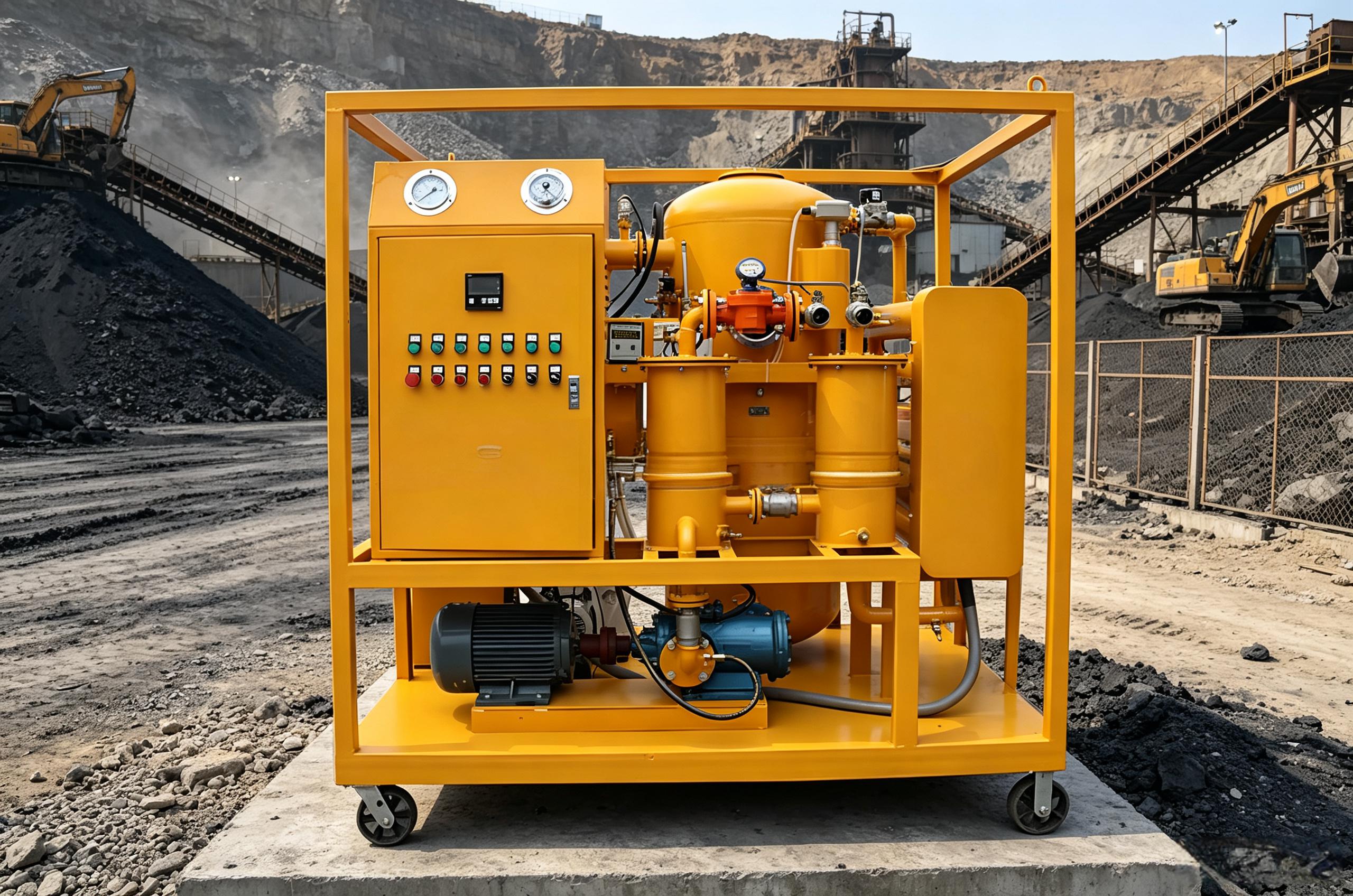
Explosion-Proof Oil Purifier Selection Guide: Which Working Conditions Require One?
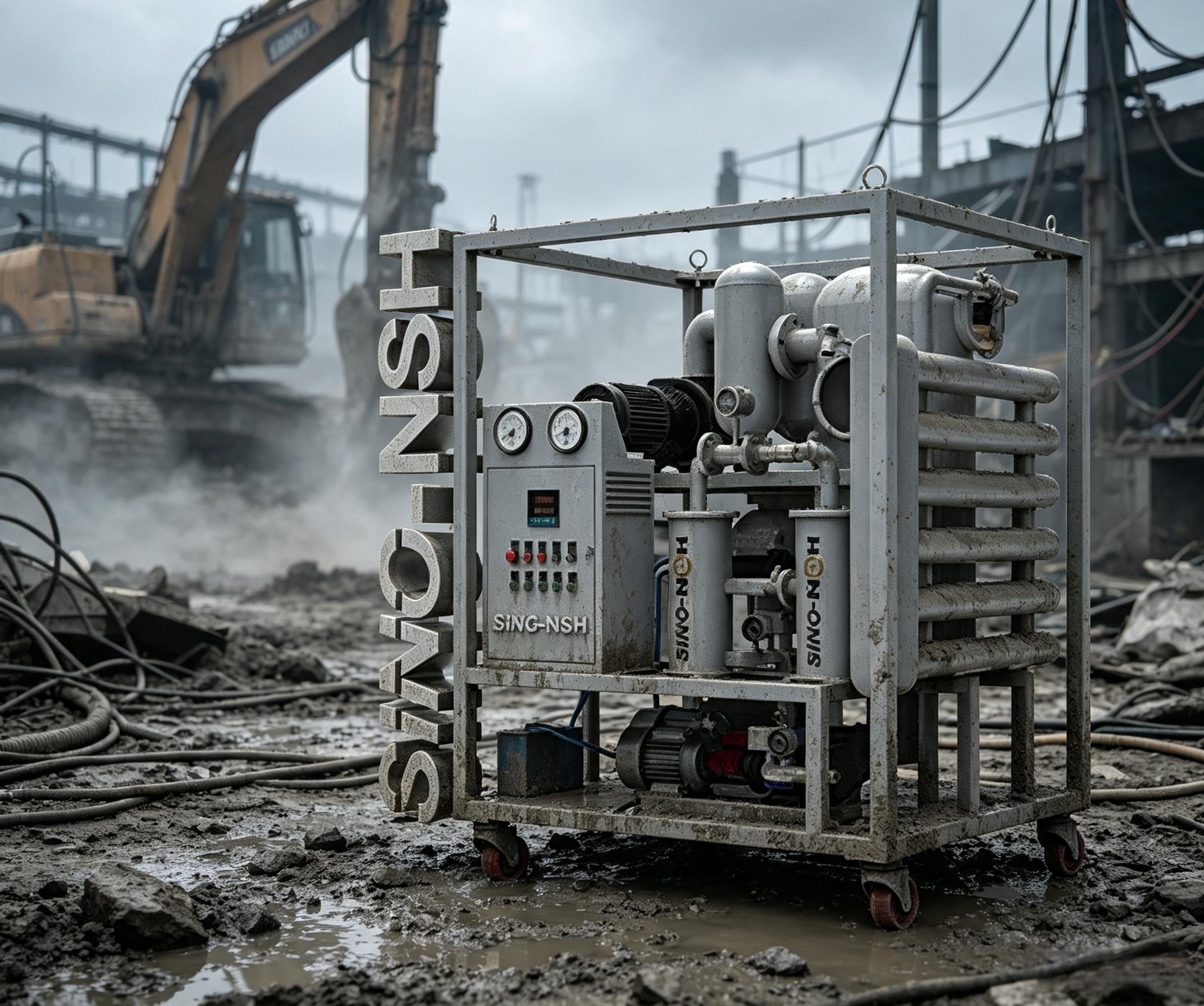
How to Prevent Rapid Lubricating Oil Degradation in Steel Mills
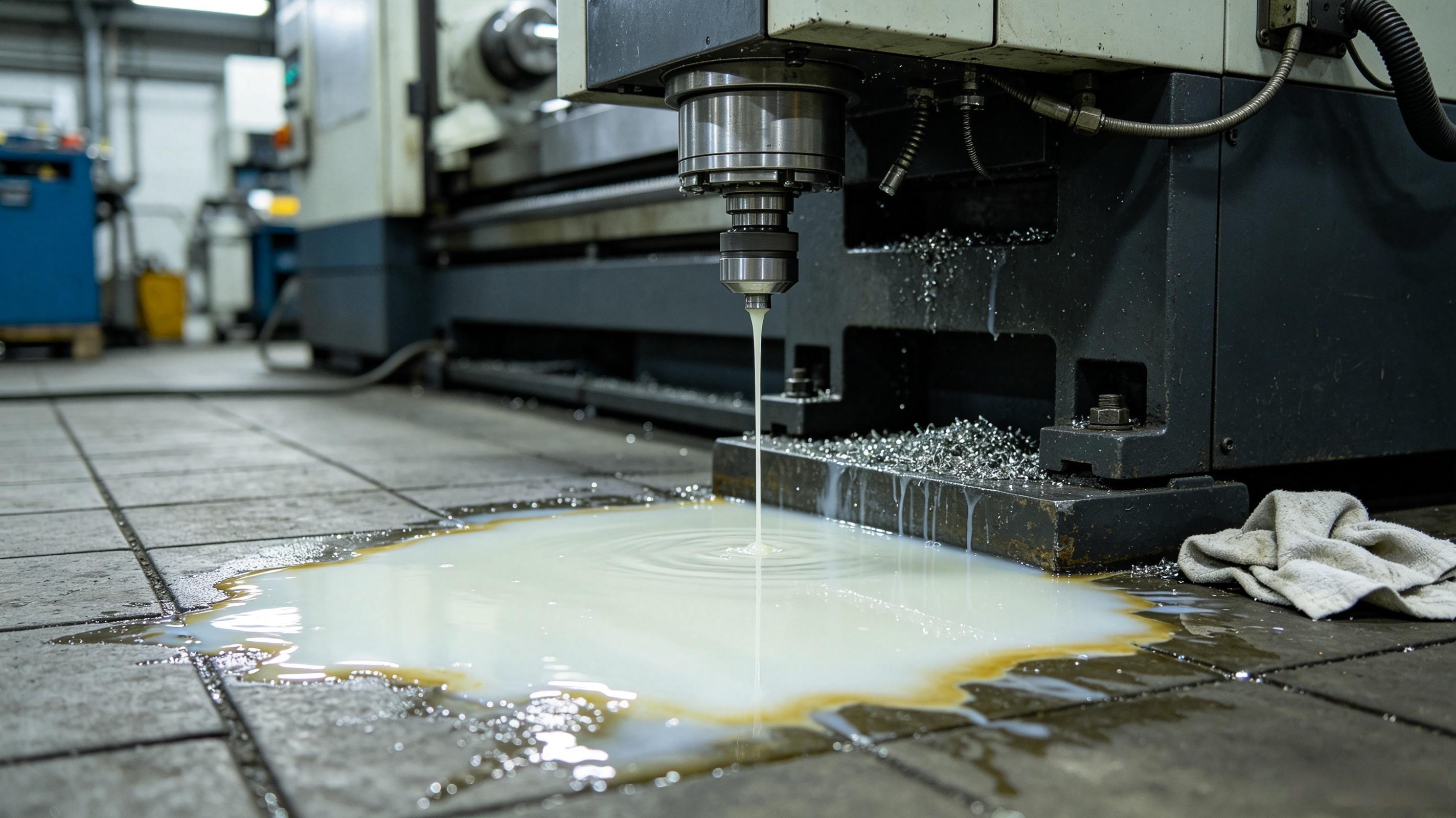
Can an Oil Purifier Remove Acid? Understanding the Limits of Oil Regeneration
Chemical Industry Oil Purification: How to Choose the Right Oil Purifier
Why Is Coalescing Water Removal More Stable Than Vacuum Dehydration?