E-mail seo@sino-purification.com

Time:2025-12-23 13:30:03 Reading volume:
Waste oil, particularly waste lubricating oil, can theoretically be purified for reuse under controlled conditions. However, it is typically not suitable as an engine lubricant and is usually downgraded for non-critical applications. For most users and small equipment owners, purifying waste oil for critical machinery is not recommended.
Waste oil is not entirely ineffective but is contaminated with impurities. While purification can recover some performance, the process quality varies:
Simple Regeneration/Purification: Removes moisture, solid particles, and light fuels but cannot restore the oil’s original performance due to depleted additives and damaged oil molecules. It can only be used in non-critical industrial applications, such as:
Rust inhibitors
Concrete release agents
Incineration power generation
Deep Regeneration/Refining: This advanced process involves distillation, hydrotreating, and dewaxing, producing regenerated base oils similar to refined crude oil. New additives are then added to formulate reliable lubricants. While effective, it’s expensive and requires specialized equipment.
Several barriers prevent purified waste oil from being used directly in critical machinery:
Additive Depletion: Lubricant additives are consumed during use. Filtration cannot replenish them, leaving the oil without crucial protective properties.
Molecular Changes: Oil undergoes oxidation and cracking at high temperatures, producing acidic substances and sludge. These changes can’t be reversed by filtration.
Difficulty Removing Contaminants: Micron-sized metal abrasives and fuel dilution require high-precision filtration, while acidic substances can cause corrosion.
Using substandard waste oil in engines or critical equipment can result in:
Accelerated Wear: Loss of cleaning and dispersing abilities, clogging oil passages, and abnormal wear on engine components.
Corrosion of Components: Acidic substances can corrode bearings and bushings.
Accelerated Oxidation: Premature aging of purified oil can lead to carbon deposits and varnish.
Clogged Filters: Residual particles and gum can clog oil filters, allowing unfiltered oil to circulate.
Warranty Voidance: Using waste oil voids equipment warranties.
High Repair Costs: Using waste oil to save money is economically unwise due to the high repair risks.
Never purify waste oil for use in critical machinery.
Treat waste oil as hazardous waste and dispose of it at licensed recycling centers for safe, eco-friendly processing.
For Large Industrial Users (Fleets, Power Plants, Factories):
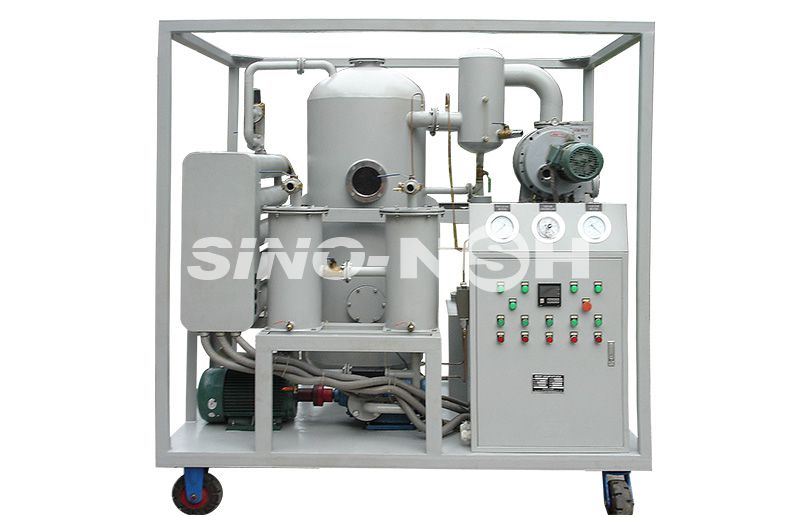
Invest in online lubricant purification systems, such as centrifugal separation or vacuum dehydration, to maintain oil cleanliness during oil change intervals.
Oil testing is essential to determine when replacement is necessary. After reaching its threshold, waste oil must be professionally disposed of.
Some reputable companies produce recycled engine oils using deep regeneration processes, re-adding additives to meet API standards. When purchasing, choose trusted brands and ensure the product meets your equipment’s requirements.
Conclusion
Technically Feasible, But High Barriers: Waste oil purification is possible, but it requires complex and expensive processes. The risks of using poorly purified waste oil far outweigh the benefits.
Physical Purification ≠ Performance Restoration: Filtration removes impurities but doesn’t restore chemical properties.
Economically Unfeasible: The cost of purification equipment is high, and the performance of purified oil cannot compare to that of new oil.
Risk of Catastrophic Failure: Using subpar oil can lead to severe damage and costly repairs.
The best practice is to collect waste oil and dispose of it properly through professional recycling services. For optimal equipment performance, always use high-quality, new lubricating oil or certified recycled oil.